painting with plants

Part 3 of a series of posts about my artist in residency experience at Oak Spring Garden Foundation.

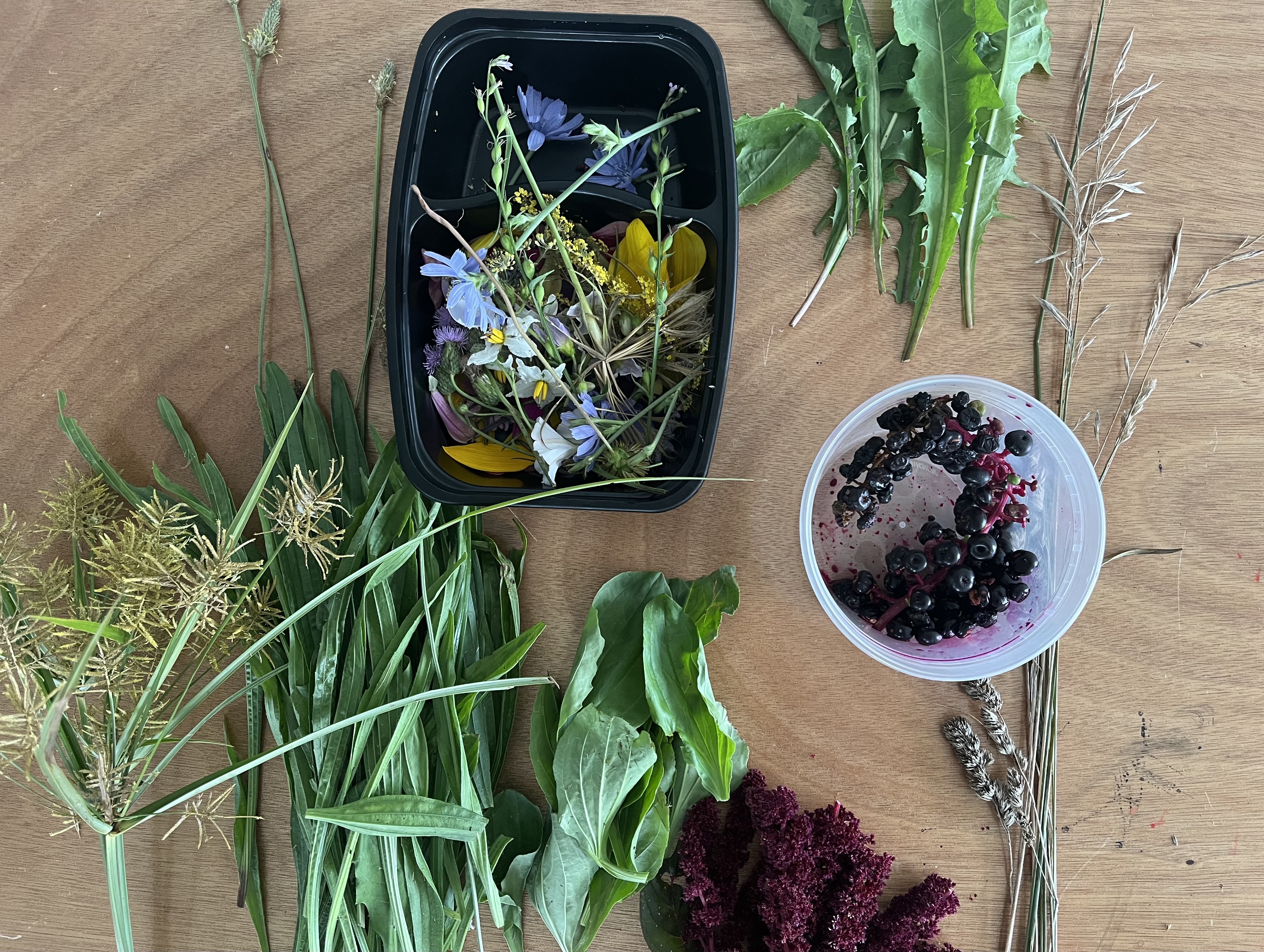
Within 2 days of arriving and digging in, I immediately became curious about plant pigments. My first volunteer day was at the Biocultural Conservation Farm, harvesting plants that produce an indigo pigment. I wandered over every evening to peek inside the vat that was fermenting away and pulling out pigment, and dipped a few papers in to see what would happen. After that, I was hooked, and started looking around at all the other plants in the gardens and in the landscapes in a whole new light. Plants are just so dang fascinating! 
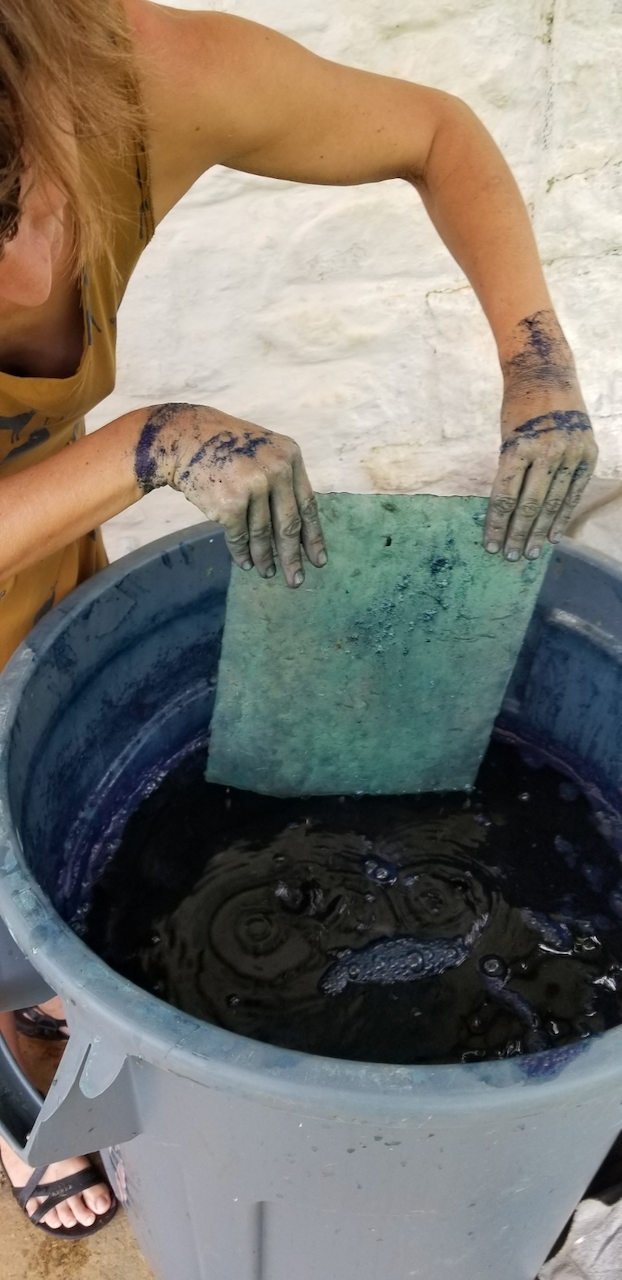
Dipping a few print papers into the fermenting vat.

Pretty soon my studio turned into a lab, with plants in various stages of experimental extraction. I was going off the School of Google, with only bits of information as the internet is spotty here and I wouldn’t always get to all the videos or pages I wanted. Chatting with folks here over the last couple of weeks, and attending an ink making workshop using invasive plants, has added to my growing amateur hobby. 

Every plant requires some experimentation, and I had to really use my sciency brain to think about acids, bases, chlorophyll, carotenoids and the like (i.e. the colorful parts of plants) and how they are best pulled and preserved. They all have their own personalities and this is the fun part of learning, where art and science blend together! I’m so freaking curious about this now, that I am sure it will become part of my artistic tool kit, creating a collection of my own hand made and non toxic paints. 
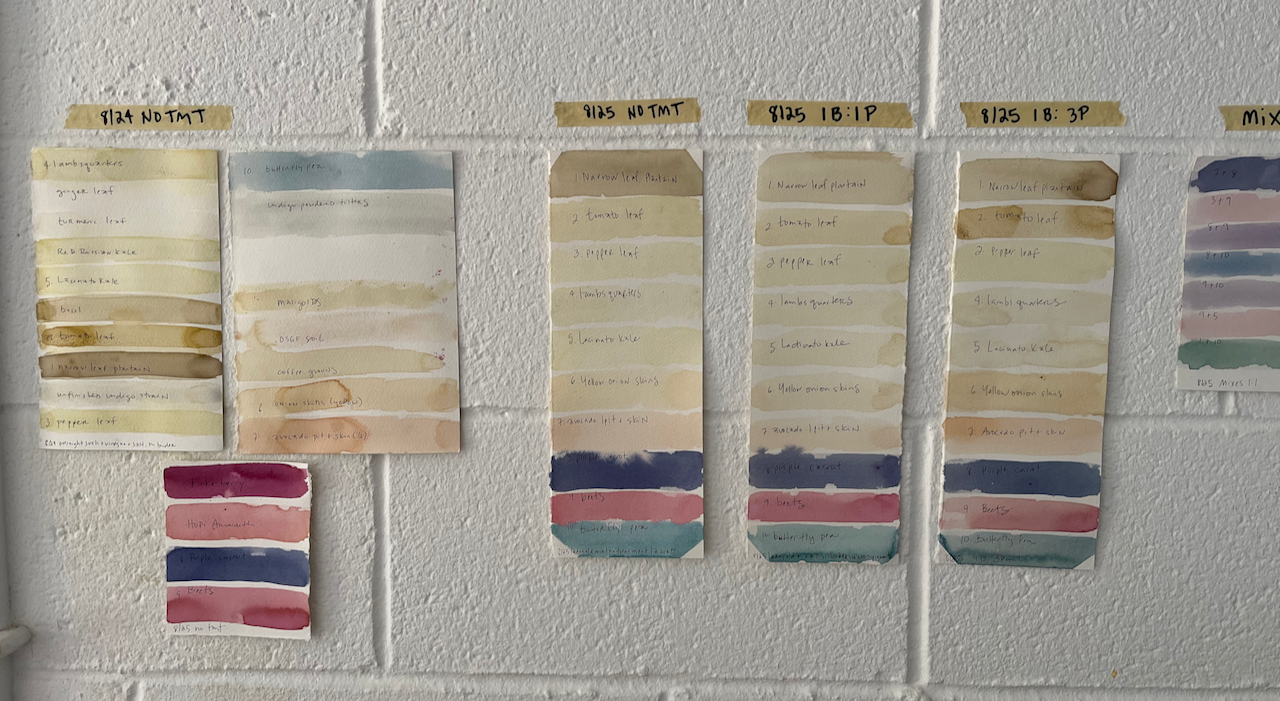
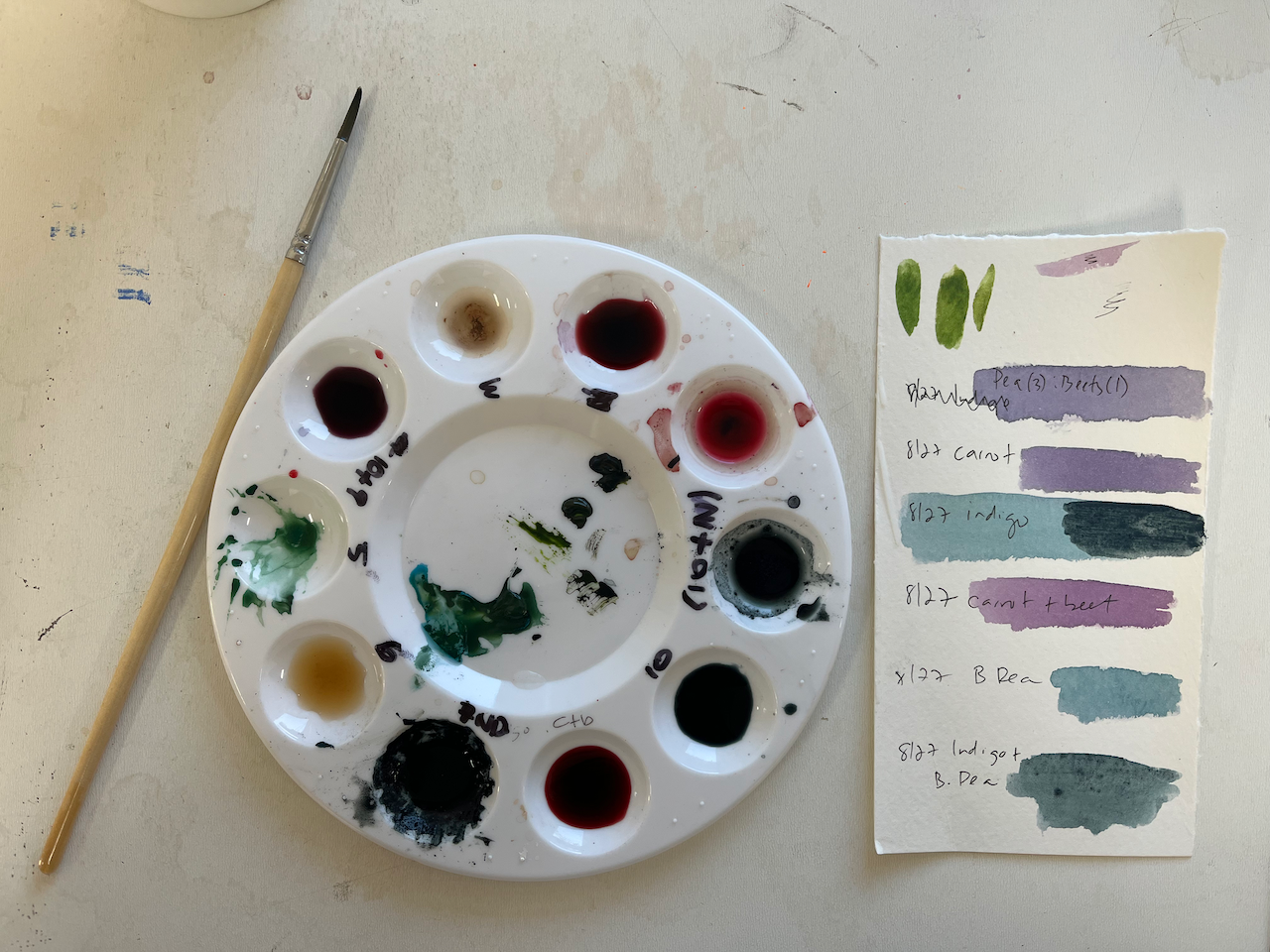
Keeping track of who’s who over time, concentrations etc. More experiments to come. Greens have been hard, working on figuring out how to pull forward that magical chlorophyll!! With regular muddling and soaking they just make….brown!

It’s especially intriguing for a few reasons. 

First, it takes the creation of art even deeper, creating your own raw materials from what’s available. Not only can I paint, I can now make my own paint! Pulling pigments from what surrounds me just feels so dreamy and comforting; creating seasonal palettes of place. 

There are kestrels here, always swooping over the grassy fields, and I had the palette! Light blue = butterfly pea. Darker blue = indigo. Gold = yellow onion skins, Background I’d hoped to be a vibrant pink sunset, faded quite a bit but is a mix of yellow onion skins, poke berry, Hopi dye amaranth and avocado skins + pits. Local plants pressed and glued. The glue did not play well with the natural paints and ate them up, giving the weird halo effect around each blade. It’s kind of a cool and unexpected transformation.

Second, using natural plant paints has encouraged me to let go of a lot. Which is always a good practice in life, generally. Letting go! I no longer have an exact color match for the insect, bird or plant I’m painting, but I have what I have – and it’s beautiful. The expected result of pigment rarely comes forth, and is fleeting as it ages. Hot pink pokeweed subdues over 24 hours into a lovely deep rose, for example. Purple carrots go from bright purple to a lovely dark blue. These don’t flow like the professional paints I’m used to and the colors are unpredictable, at least until I experiment more and figure some of this out. It’s just so much fun to let colors run across the page! Seeing how how onion skins play with beets, how plantain mingles with butterfly pea to make a lovely grayish blue. I’ve just felt so much joy in the process of messy, unpredictable and ephemeral materials. 
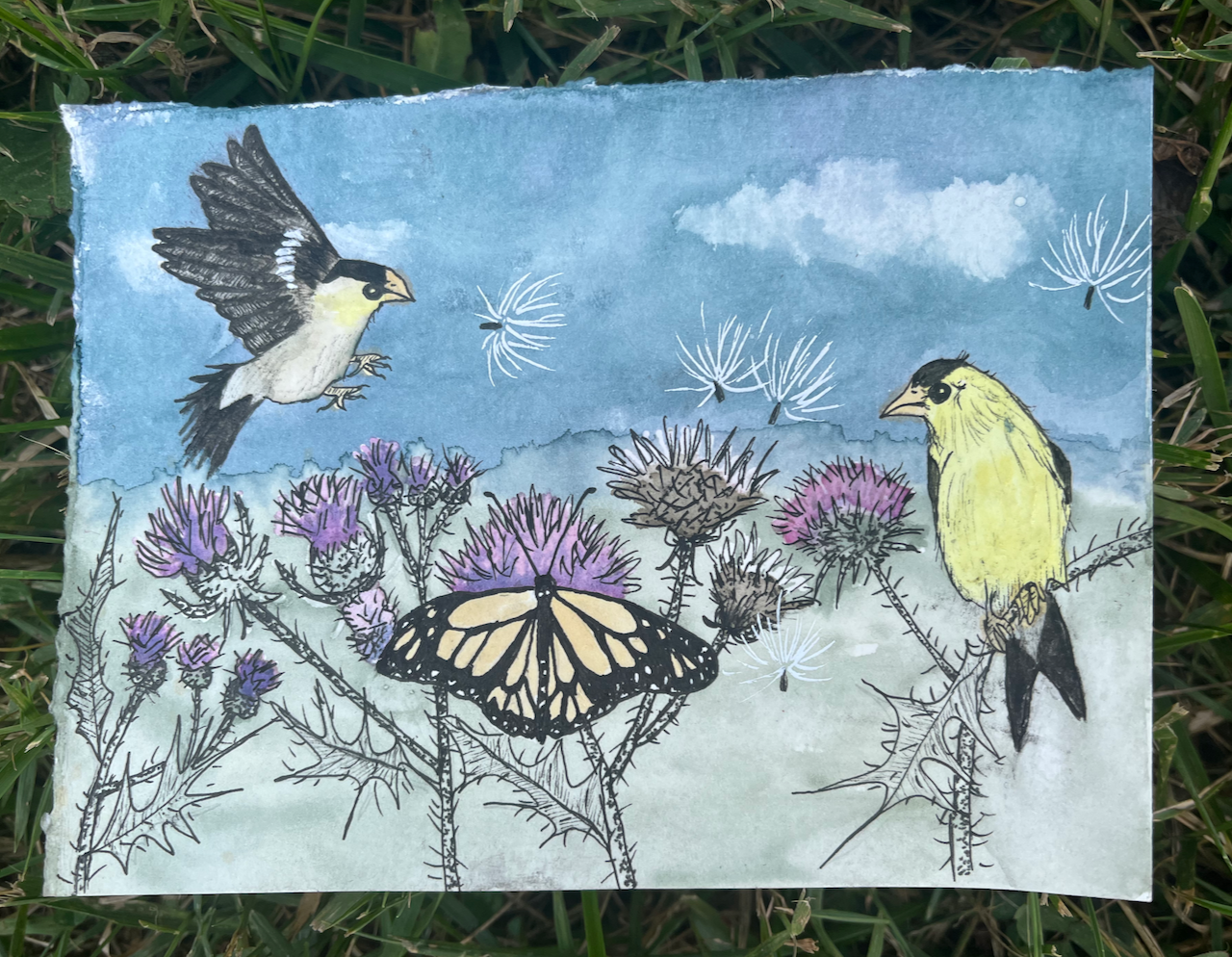
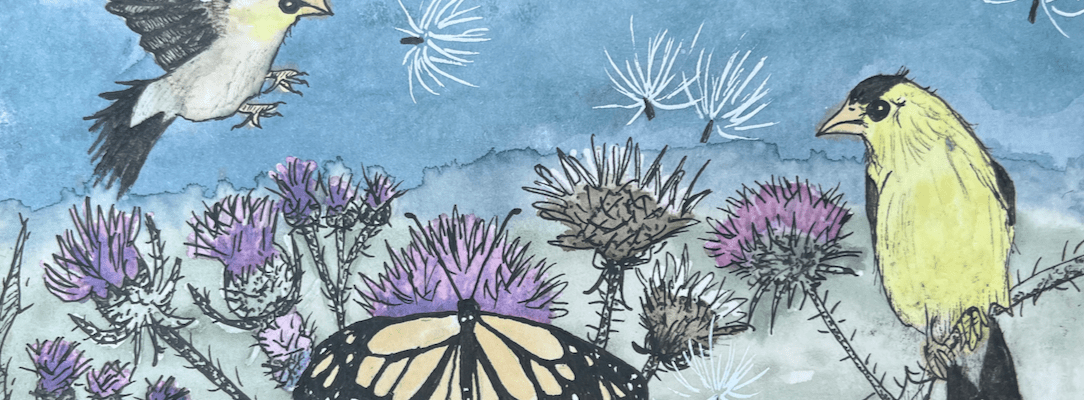
Way outside my “usual”, but a must paint! I had the palette, and the thistles and goldfinches are so abundant here! The messy black ink is made from wood ash and I do not like it! I’ll stick with my black pen, or see how the Black walnut ink I’m working on now will substitute. This is so very messy and not detailed like I usually do, but let me tell you how much fun I had making a mess! Sky = butterfly pea. Finch bodies are combined with plantain leaf (brownish hue for the female top left) and a mix of invasive weeds making the bright yellow (Barberry and Mahonia). Thistles are purple carrots and a mix of other reds/pinks. Pale orange monarch = some invasive weed I lost track of during the workshop! Green = Bush Honeysuckle.

This process is allowing for the creation of cleaner and gentler products.  Many artist’s supplies are harmful to our Earth, made of all sorts of icky things like synthetic and toxic chemicals, plastics, metals etc. While handmade plant paints aren’t perfect, with some of the inputs needed to extract and bind the pigments so they actually function as paint, dye or ink – they are better options, and there is room to improve. I have been exploring and thinking about the gentlest and most minimal  inputs that will still create beautiful materials, that don’t harm the beings I’m inspired to draw, paint or print.

There are some things I’ll never be able to give up, like paper, black micro pens, and some of the very rich commercially made watercolor paints and inks. But this process is allowing me to think more about resources including those readily abundant from my own backyard. Which is currently the rural countryside of Virginia with the most incredible gardens that create quite the palette!

I can’t wait to paint Florida colors! Hopefully I’ll still find the time for such play when I get back to regular life.
the farm & kitchen

Part 2 of a series of posts about my artist in residency experience at Oak Spring Garden Foundation.

I really love that this place has a working farm, an educational + artist’s garden, and a seed conservation component. If you know me, you know this is my jam! I feel right at home except for having to hold any responsibility or accountability! These are what I call my “working vacations”. 

The first chance I had to volunteer, I signed up to help with the Indigo harvest. I’ll write more about that later, but basically we harvested a row of Japanese Indigo, Polygonum tinctorium that is currently fermenting, the first step of the careful practice of extracting indigo pigment. The following day, I came out for another harvesting activity, this time for veggies and herbs. I helped the crew pick peppers, basil, sage, and kale. 

It’s really a lovely space! Very well maintained and laid out. Although as a fellow farmer, I admit to easily seeing the things they do too when I praise the aesthetic of it all but they kind of sigh and look around, saying yeah but….the weeds, the disease, the never ending list of chores, the pests! In some strange twisted way it’s comforting that even on well resourced and managed farms, nothing is perfect and there will always be weedy sections and some kind of pest that keeps the farmers awake at night. We’re a collective support group, commiserating on the challenges of growing! 

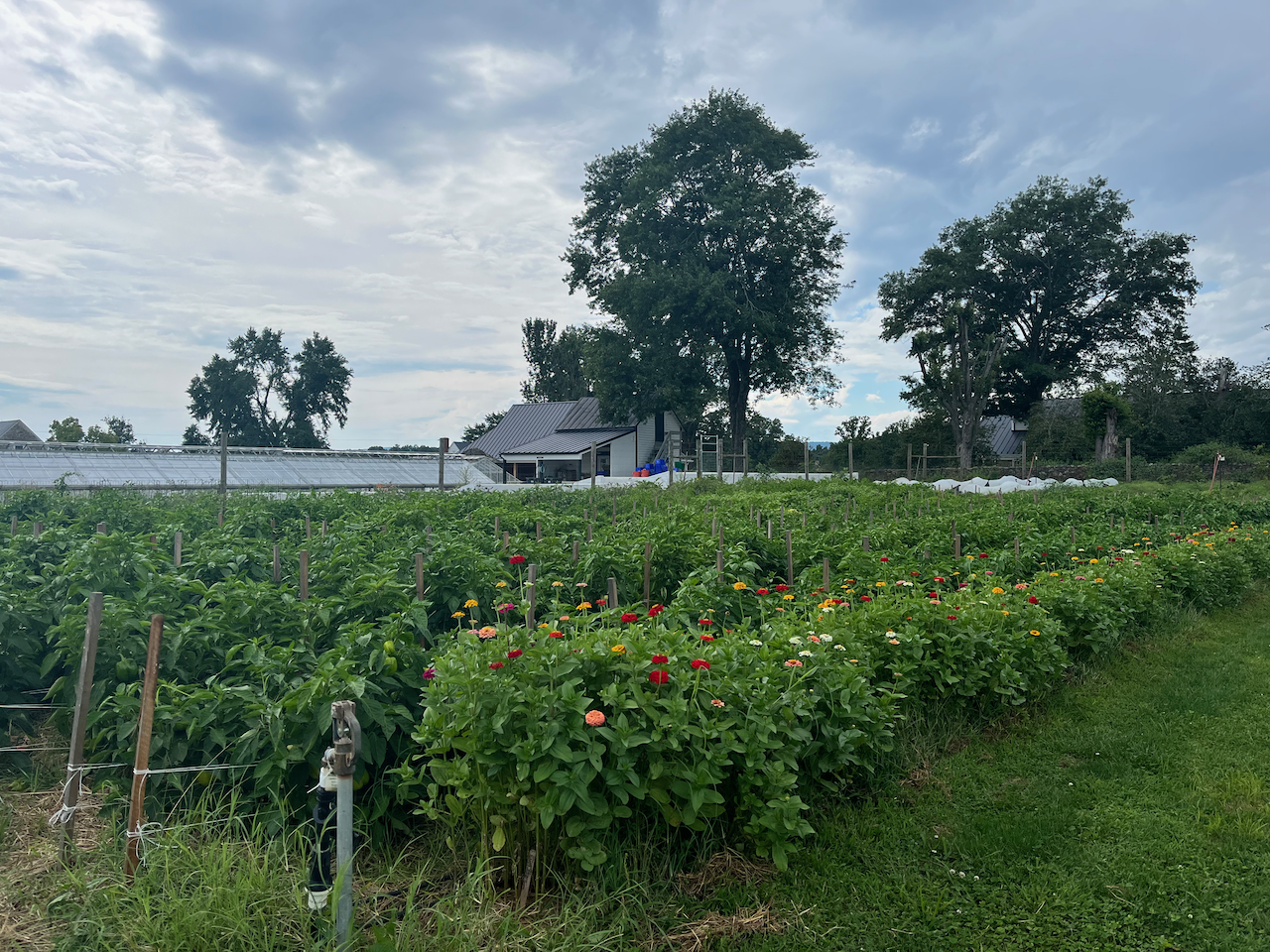
Zinnias and peppers adjacent to the greenhouses and packing shed.

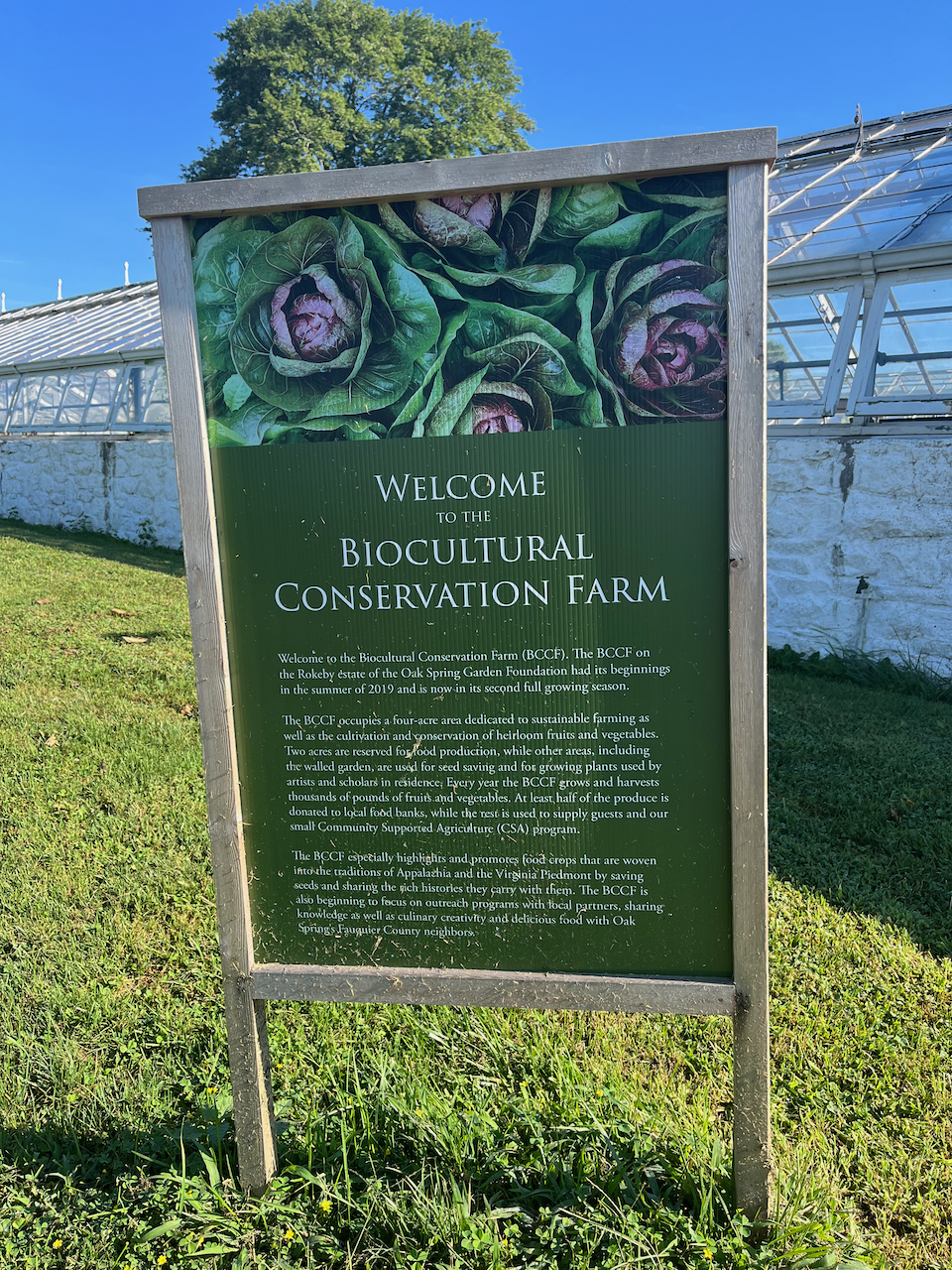
The part of the operation that is focused on food production, is separate but adjacent to the educational and seed gardens, which all together are part of the Rokeby Farm side of the Oak Springs Garden landscape and referred to as the Biocultural Conservation Farm (BCCF). 

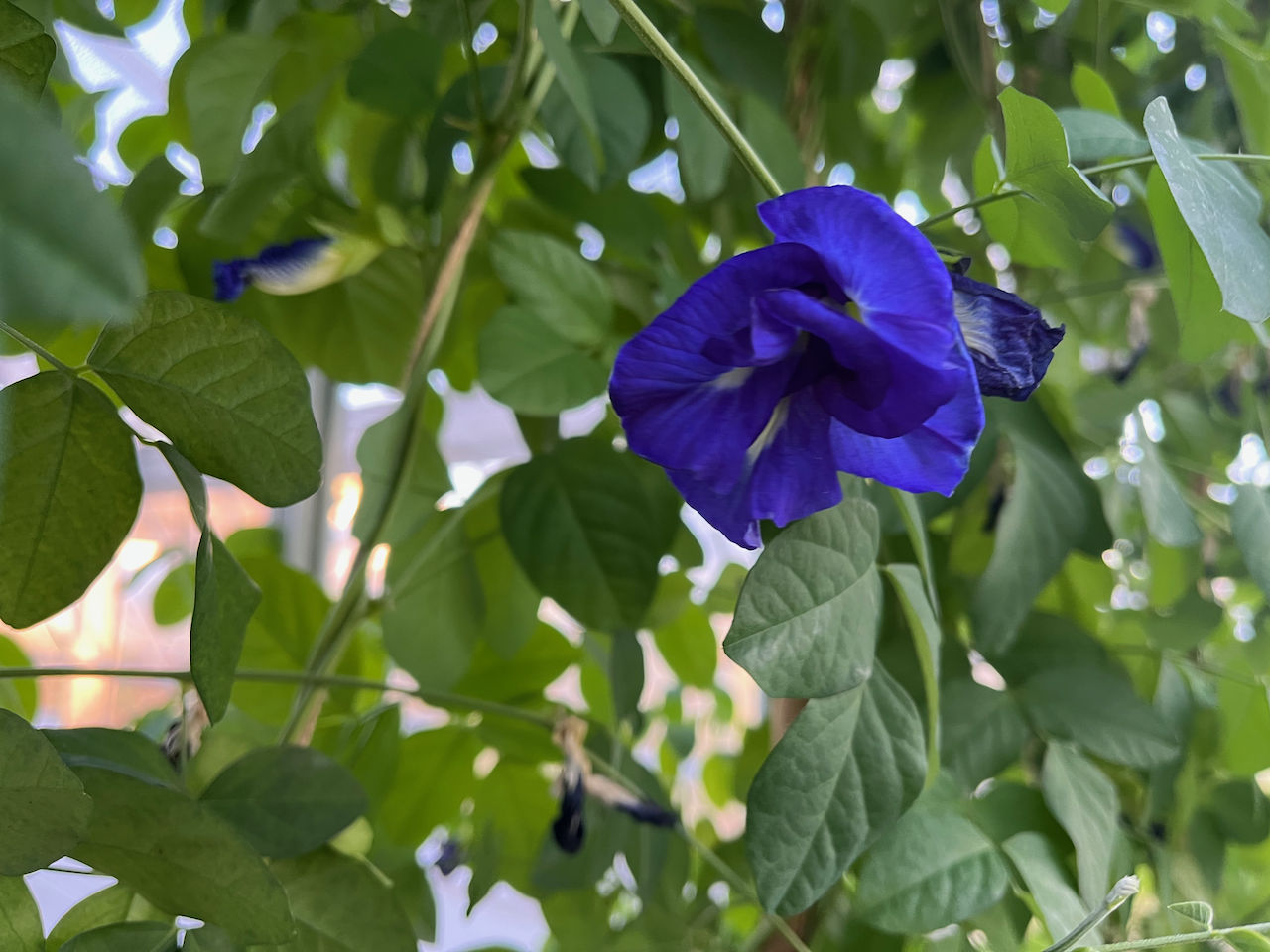
A series of glass covered greenhouses feature more tropical plants that are pushing the limits here for outdoor cultivation in Virginia. Many familiars: turmeric, ginger, basil, butterfly pea, and malabar spinach. The butterfly pea variety they have is stunning, very convoluted and deep blue petals. I’ll definitely be keeping an eye on her for any available seeds before I leave. 

Their little office is adorable and as you might expect, stocked with books, jars and packets of seeds, and found objects like birds’ nests. I was able to get a sneak peek at the new art seed packets that just came in, filled with seeds from the plants they stewarded just outside the office doors: sorghum, tomatoes and corn. Specifically these are heirloom varieties significant to the Appalachian area that were passed onto them from a nearby family that has been keeping them for many generations.

Art packets featuring previous artists in residency’s work, and filled with goodness from seeds saved onsite!

I’m excited to learn more about their seed conservation work and how we might be partner-friends. The folks from Southern Exposure Seed Exchange are going to come visit me here in early September and it will be nice for us seed heads to geek out together! 

The production part of the operation donates most of the produce to the local food pantry, provides a community CSA program (weekly farm share box for sale), and provides ample produce for the residents and staff onsite. Three times a week we are treated to dinner by Chef Jason, who is creative at making tasty dishes with what’s available.

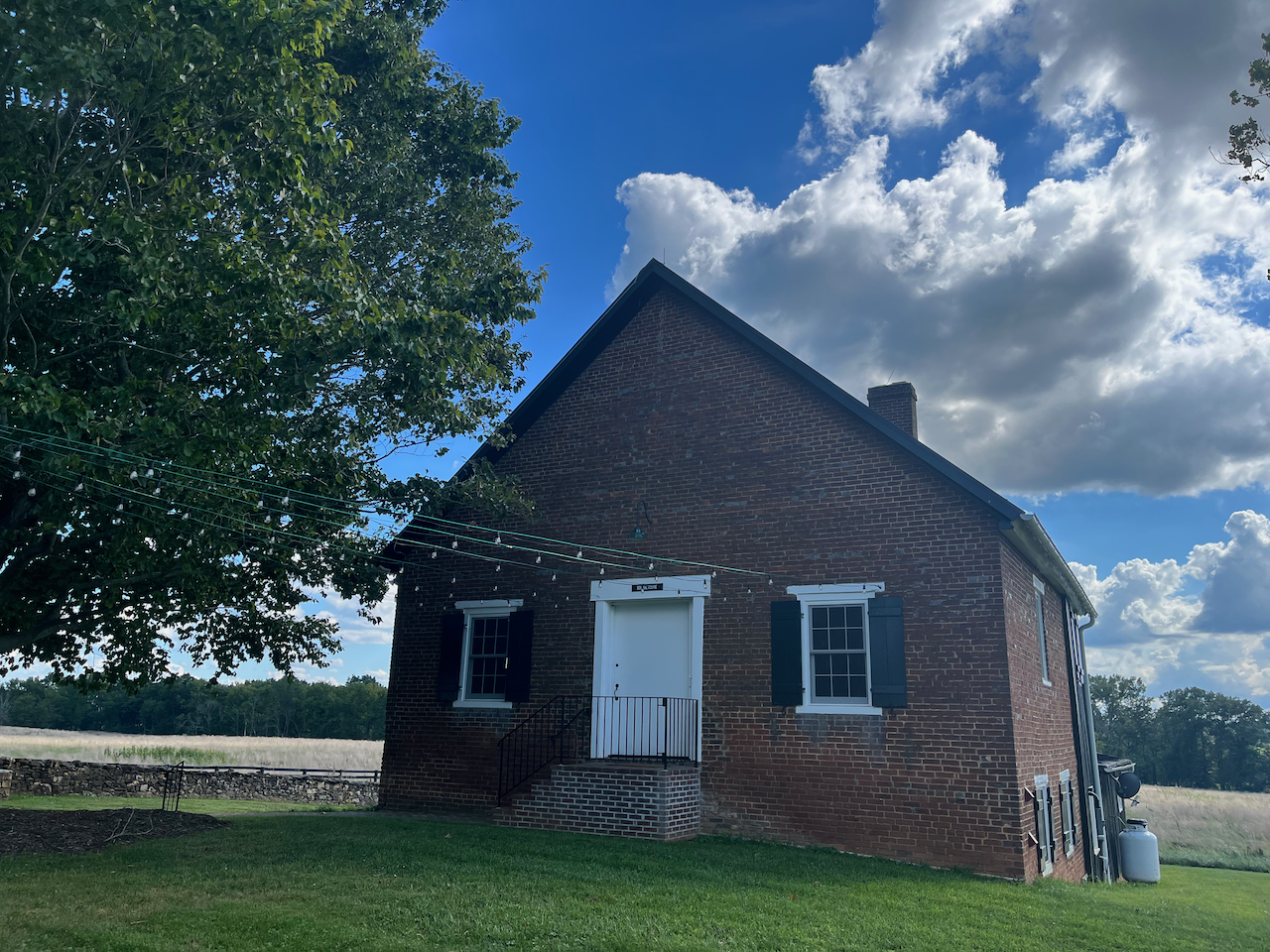
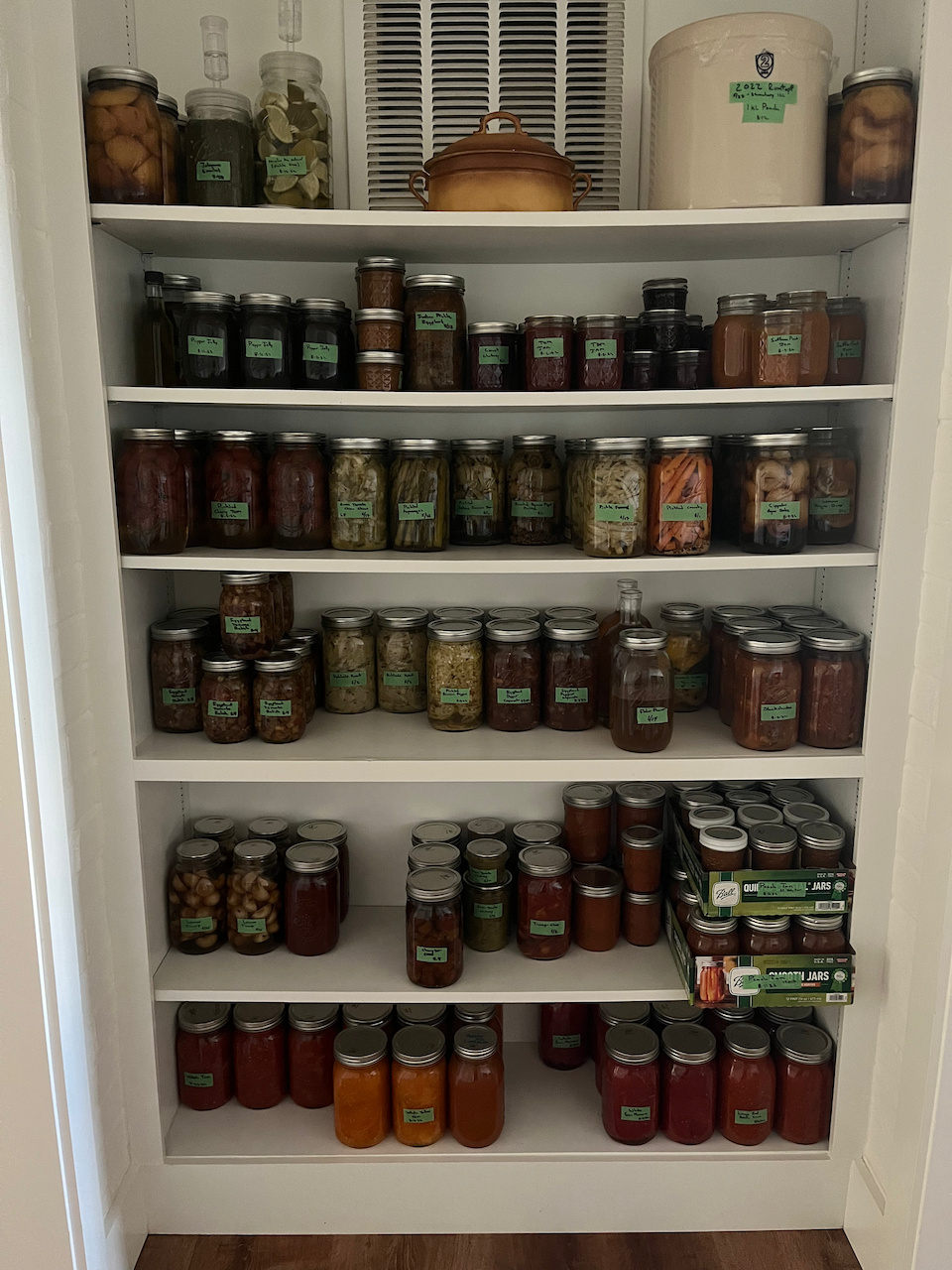
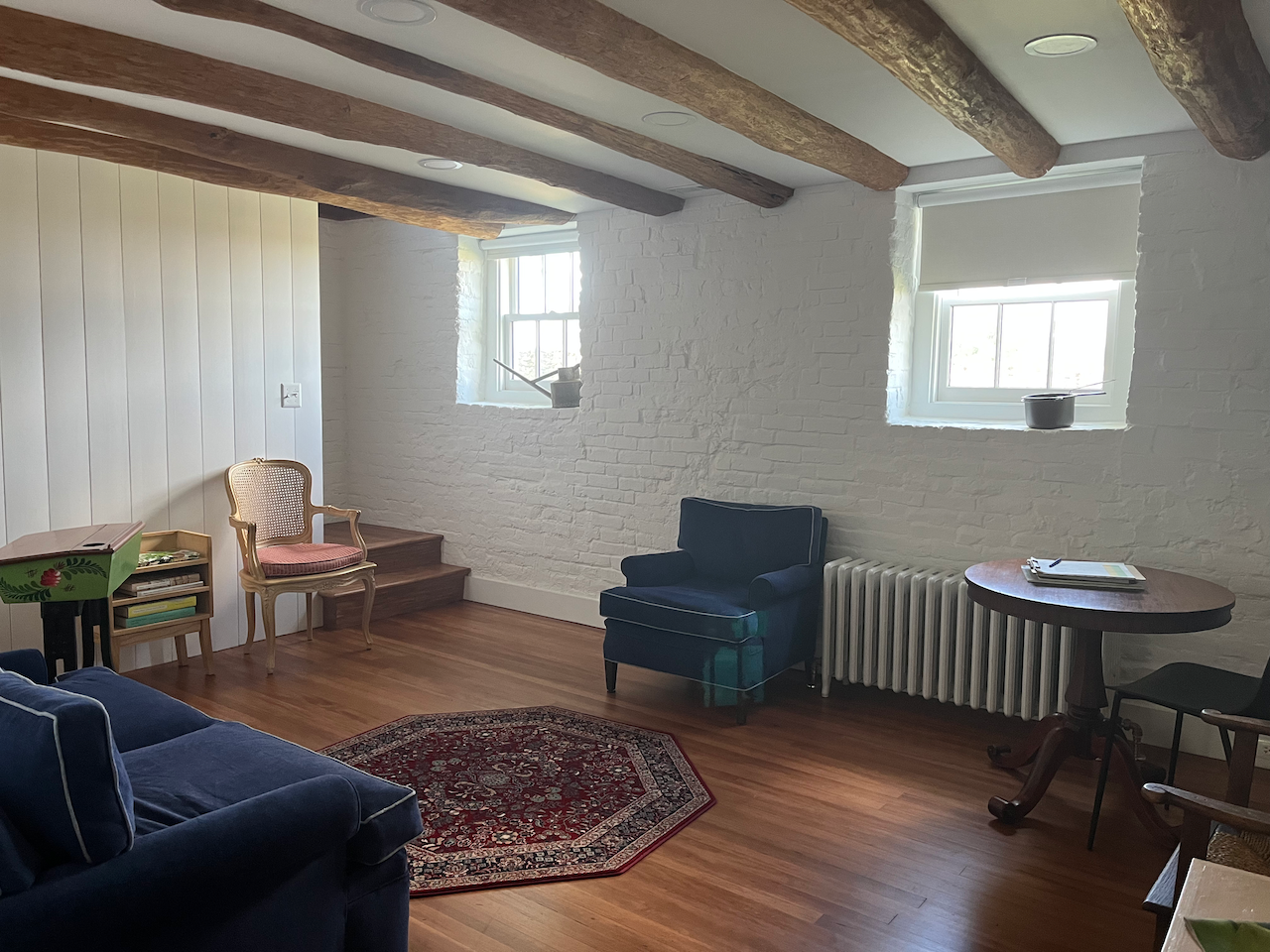
We eat communal meals in the historic school house, which has a cozy little downstairs area with a small sitting room, a few books, and better internet than most of the resident houses. Here is where the chef’s larder exists, a work of art in and of itself! It drew my eye the minute I walked in. I sampled Chef Jason’s homemade tomato jam and I approve, but I still like mine better! 

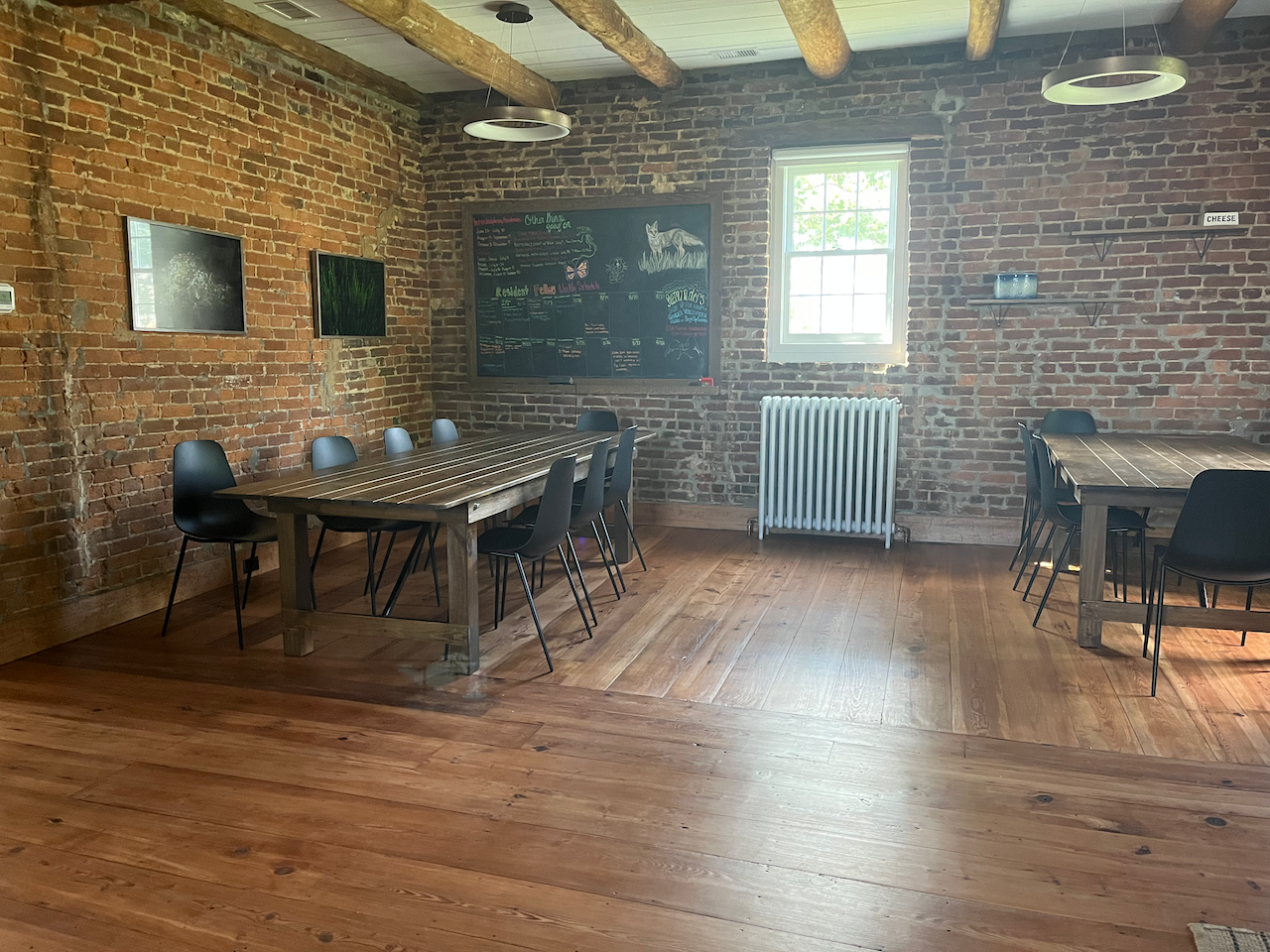
Upstairs is the kitchen and main dining area, cute and well stocked. There is even  enough open space after hours for pop-up mini Zumba workouts! 

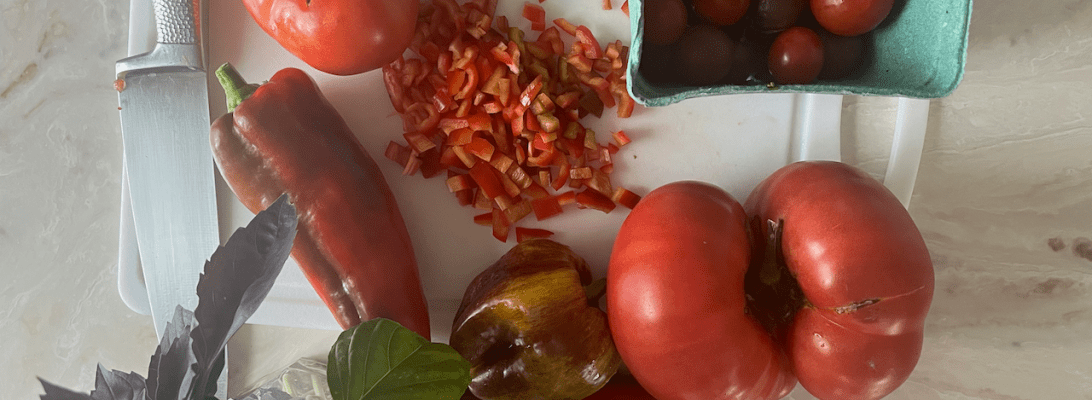
Over the weekend, I received notice that extra tomatoes were up for grabs. Figuring no one else would need that many, that some were already starting to go bad, and that I just can’t let good food go to waste, I rescued several pounds of cherry tomatoes and giant heirlooms, which we just don’t get in Florida with regular success. 

I guess old habits die hard, because I immediately went home (after the impromptu chance for a 20 minute Zumba dance workout!) and started making sauce. I used most of it for our Sunday potluck brunch roasting it with eggplants and basil we got in our CSA box. There was extra we used to dip cassava bread into, that Jackie brought from the Dominican Republic, where she’s from. Yum! 

It’s a blessing to be able to eat well while traveling, when it can be easier or unavoidable to eat poorly. I’ve really been enjoying the weekly farm produce and the opportunity to also go pick a few additional items (I ask first!), forage some nutritious local plants, and eat the leftovers from Jason’s incredible meals. 

Every evening, after dinner and doing some art, I wander over to the gardens to see what’s happening. There is always something new to see, even though I’ve now visited multiple times. The first evening, 3 very active Sphinx moths were cruising the lilies and four o’clocks. I felt them before I saw them. They came so close a few times that I felt their wings and wind near my face, and heard their distinctive vibrations. Their proboscis is so long, specialized for a deep drink into long tunneled flowers. I imagine they came from the tomatoes nearby, where their previous life as a tomato hornworm started out. Although I did search and couldn’t find evidence. 

Amazing I could get one clear-ish photo of these active moths! Look at that proboscis!

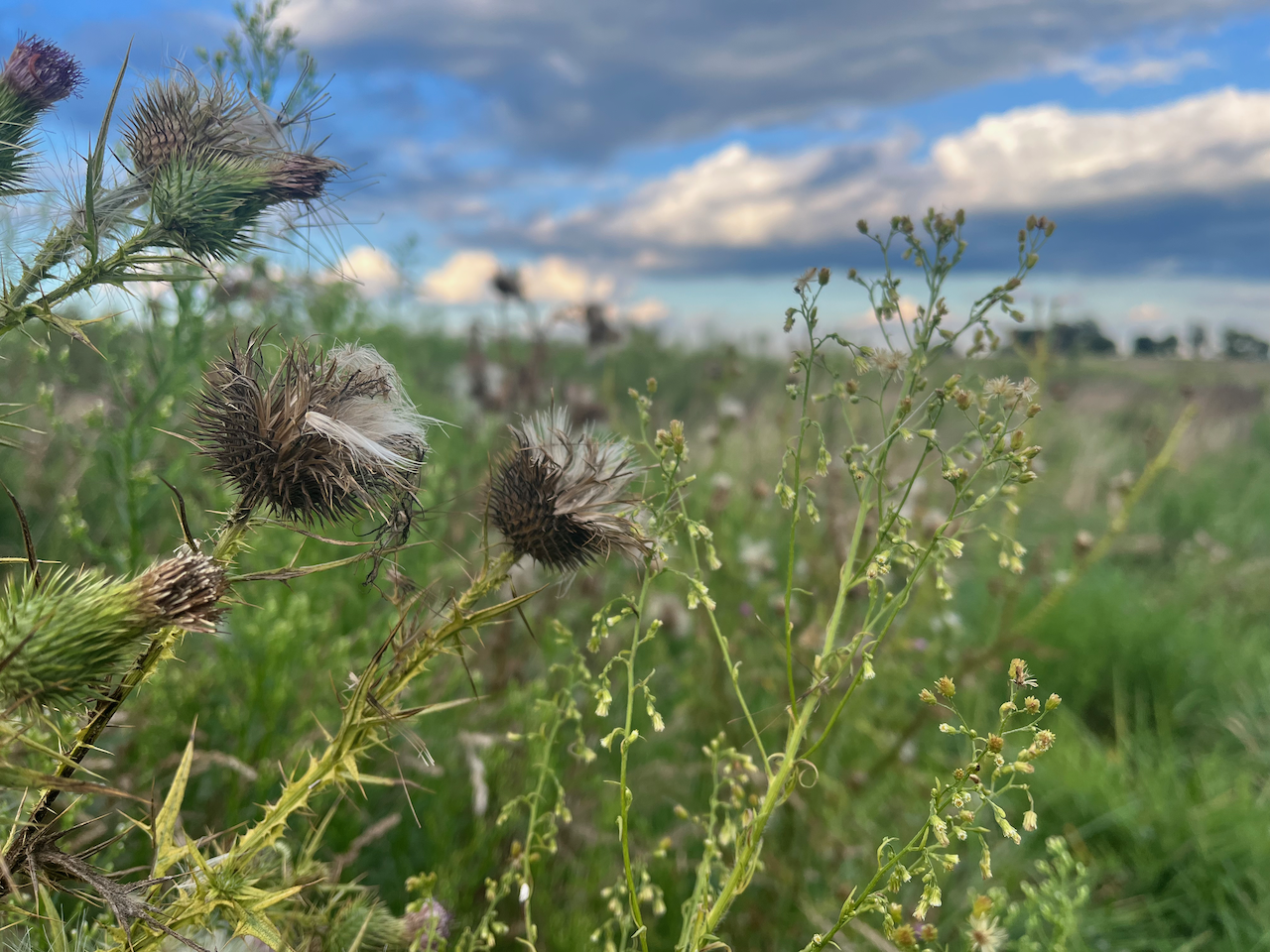
Other daily observations: The Goldfinches seem exuberant over the wild thistles going to seed everywhere; Kestrels swoop in for the cornucopia of field insects and small birds; sparrows are snacking on plants going to seed in the gardens; rabbits are hopping about being cute little naughty garden pests; an array of pollinators are visiting the diverse buffet of flowering crops; and the indigo vat nearby bubbles silently its blue riches, filled with leaves picked just a few days ago. It really feels like home even though the seasons are off by a bit, and some of the flora and fauna are different.

There are a lot of rabbits, ground hogs, and squirrels that are serious farm pests, but they say Buddy the 15 year old black cat does a formidable job of keeping them in check. Of course he’s likely also eating birds and frogs, but hopefully his belly is mostly full of organically fed, free ranging rabbit and squirrel. 

Naughty little garden bunny better watch out for Buddy.

Being here for a total of 5 weeks I’ll get to observe a lot of changes as the microseasons shift from late summer to early fall. I’m excited to volunteer at the farm at least one morning a week and help out. I always appreciate volunteers that help us at our gardens at GROW HUB, especially those that kinda know their way around a garden. It’s a lot of work to maintain these spaces, and it shows. 

I am so grateful for this backdrop and canvas of both inspiration and beauty, while I am provided ample time to explore, create and rest.

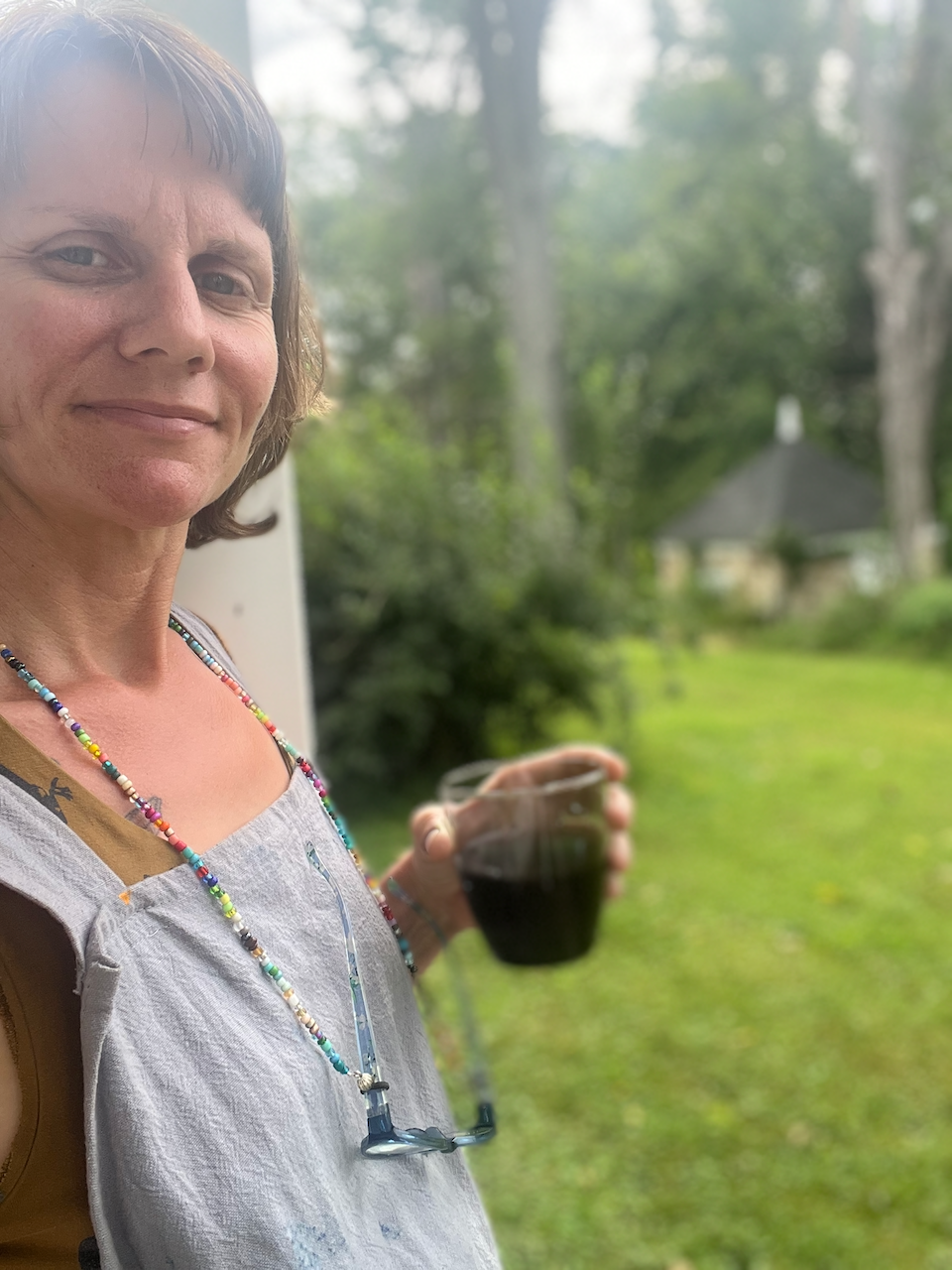
Butterfly pea + tulsi tea, art smock on, reading glasses, ready to paint!

artist in residency

Part 1 of a series of posts about my artist in residency experience at Oak Spring Garden Foundation.

I set an intention over the last couple of years to create space and time for my artistic endeavors. One of the ways I invested in myself was in applying for an artist in residency program at Oak Spring Garden Foundation based in Upperville, Virginia. I’ve never been to an artist in residency before, a whole new world to me. But when I read through the description after seeing Janisse Ray post about her experience as a writer in residence at this place, I had to! 

It was as though someone had collaged all my favorite things into one artistic masterpiece. Even though my chances seemed slim for this competitive and prestigious opportunity, I had to apply. Low and behold in the fall of 2021 I received an email to welcome me into the residency program! I was accepted! I squealed, danced, spun around in circles and jumped up and down!! It seemed so far away, a mid August 2022 trip, but now I’m here!!

I had to strategize this extended getaway, work wise and on the homestead. Months of well laid out plans week by week to ensure all the things I do for the small but mighty Working Food were in good shape for me to be gone. I am grateful for a supportive and amazing staff and board. I am here, and they are handling my departure hopefully with ease. Mike shouldn’t have any work travel, so Okra and Huxley are in good hands, although I miss dog snuggles like crazy.

I arrived on August 14, amazingly with no major travel glitches. The two enormous, just under 50pound checked bags each stuffed to the brim with art supplies and personal stuff for a 5 week stay made it with me. Since arriving I have truly felt overwhelmed with gratitude and joy, and feel spoiled by the universe for the opportunity to be here. The weather has been spectacularly perfect as we ease into the late summer and early fall season. I’ve escaped one of the hottest and hardest months in Florida. 

My first evening here I wandered the trails barefoot, said hello to familiars and greeted new to me beings. Hello pokeweed and lambsquarters, goldenrod, fleabane and thistle! Hello mockingbird, gold finch and monarch! Barefoot walking to feel the plants and soil, and nibbling on local plants feels like a good way to get to know a place and settle in. 

Our cohort of artists! Left to right: Lorena, Jackie, me, Latifat, Elizabeth and Henry.

Oak Spring Garden Foundation is in rural Virginia, only about 45 minutes from DC. It’s pretty quiet and peaceful, but there are numerous planes in the airspace, and there is a military bunker thing on the mountainside that’s an emergency spot for the President and presumably other important things, as I’ve been seeing funky military aircraft going back and forth. It’s mostly open plains between the Blue Ridge and Bull Run Mountain Ranges, which makes for a stunning backdrop on both the East and West views. 

The estate here is that of the late Rachel “Bunny” and Paul Mellon, very wealthy philanthropists who amassed quite a collection of rare and commissioned works of art, books, jewelry, race horses and so on. Bunny Mellon was particularly inspired by gardening of various styles and influences, and curated a stunning landscape here of formal gardens. Multiple restored and quaint buildings include housing for staff and visitors, an old school house for communal meals and gathering, converted horse stalls that now house conference spaces and dorms, an incredible library (more on that later), gallery, formal gardens, onsite farm and more. It’s hard to imagine the lifestyle and wealth that allows for collections of such incredible things. But I’m grateful that Bunny Mellon was able to put things in motion before her death at age 103 in 2014, so the Foundation could share their vast treasures with the artist community.  

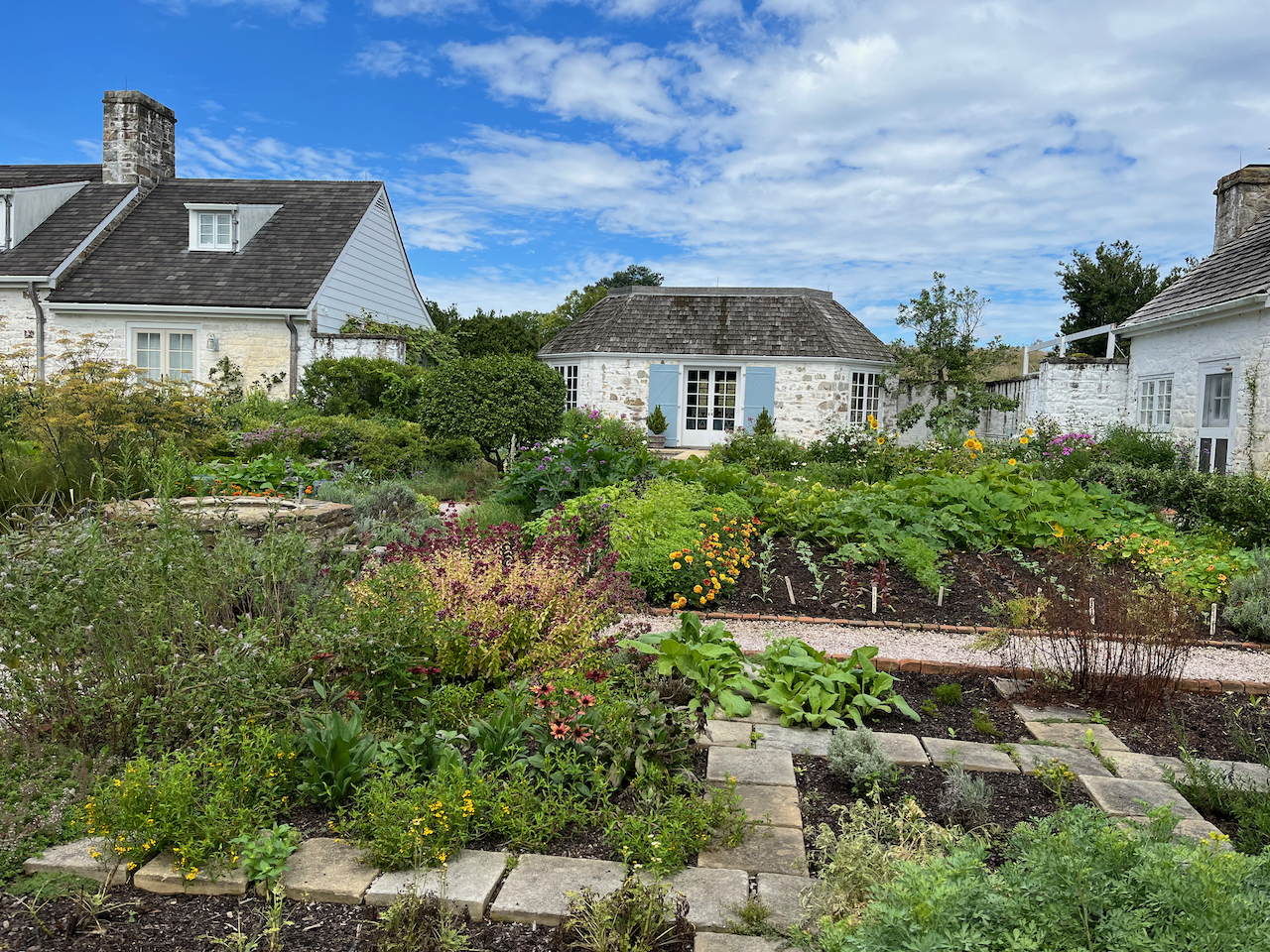
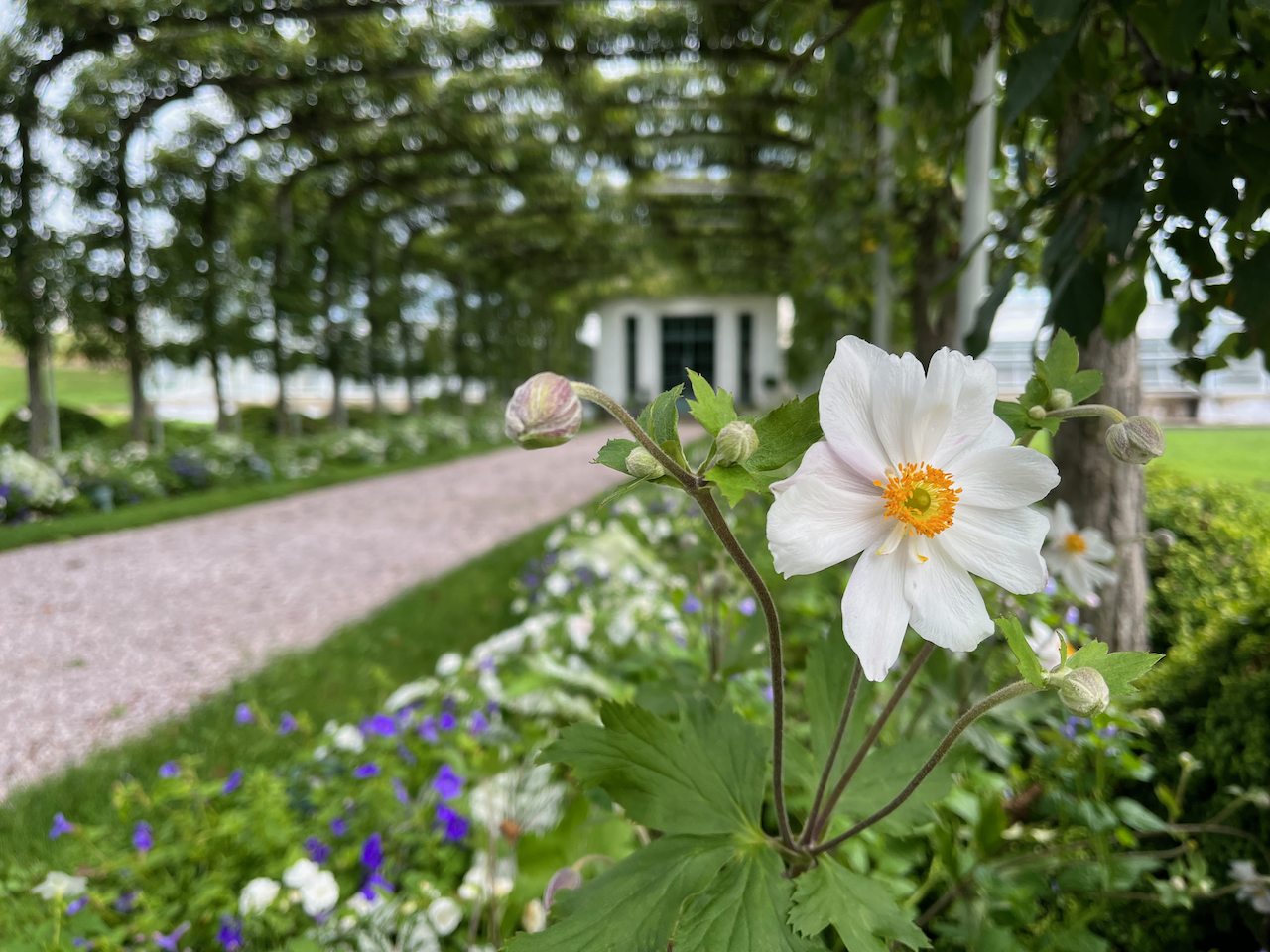
The formal gardens inspired by various European methods including potager herbs, a small veggie garden and carefully arranged flowering plants of all kinds.

Public workshops and education, access to the library, artist residencies and fellowships have been designed to allow those pursuing artistic adventures related to plants, and plant conservationists to gather, be inspired, create, learn, and share back their work with Oak Spring. The onsite farm and education garden (Rokeby Farm) is newer, and produces food for the community through CSA shares, feeding the onsite residents, and donating many thousands of pounds to the local food pantry. They’ve initiated conservation efforts including the restoration of prairies through reduced mowing, planting trees and native plants, putting up birdhouses and more.

I feel absolutely spoiled rotten by the amazingness thus far of being surrounded by so many beautiful beings. 

Three days per week, we are treated to a meal prepared by their chef Jason. He uses a lot of the farm produce from right across the road. A few days a week we can volunteer at either the farm or the formal gardens if we want to. My first few days here I’ve already spent several hours with the farm crew, as you might imagine! I brought my work clothes and my own pair of Felco clippers, prepared. I’ll probably do that a couple times a week to stay nimble and learn from other farmers how they do things. 

Part of the farm operation is the Bioconservation Cultural Farm which has an education garden and a newly emerging seed saving operation with a focus on Appalachian heritage crops. The education garden provides raw materials for residents and workshop attendees. Various dye plants like indigo and Hopi Red Dye amaranth are used onsite for creative endeavors, as are many other plants for pressing, sketching, painting and more. My first volunteer day we harvested a bunch of Japanese indigo (Polygonum tinctorium) and then put it in a giant tub to ferment. I’ll be here long enough to actually see the dyeing process to the end…I think! I’ve been snipping sprigs and snapping photos of many plants I’d like to draw or press on evening walks.

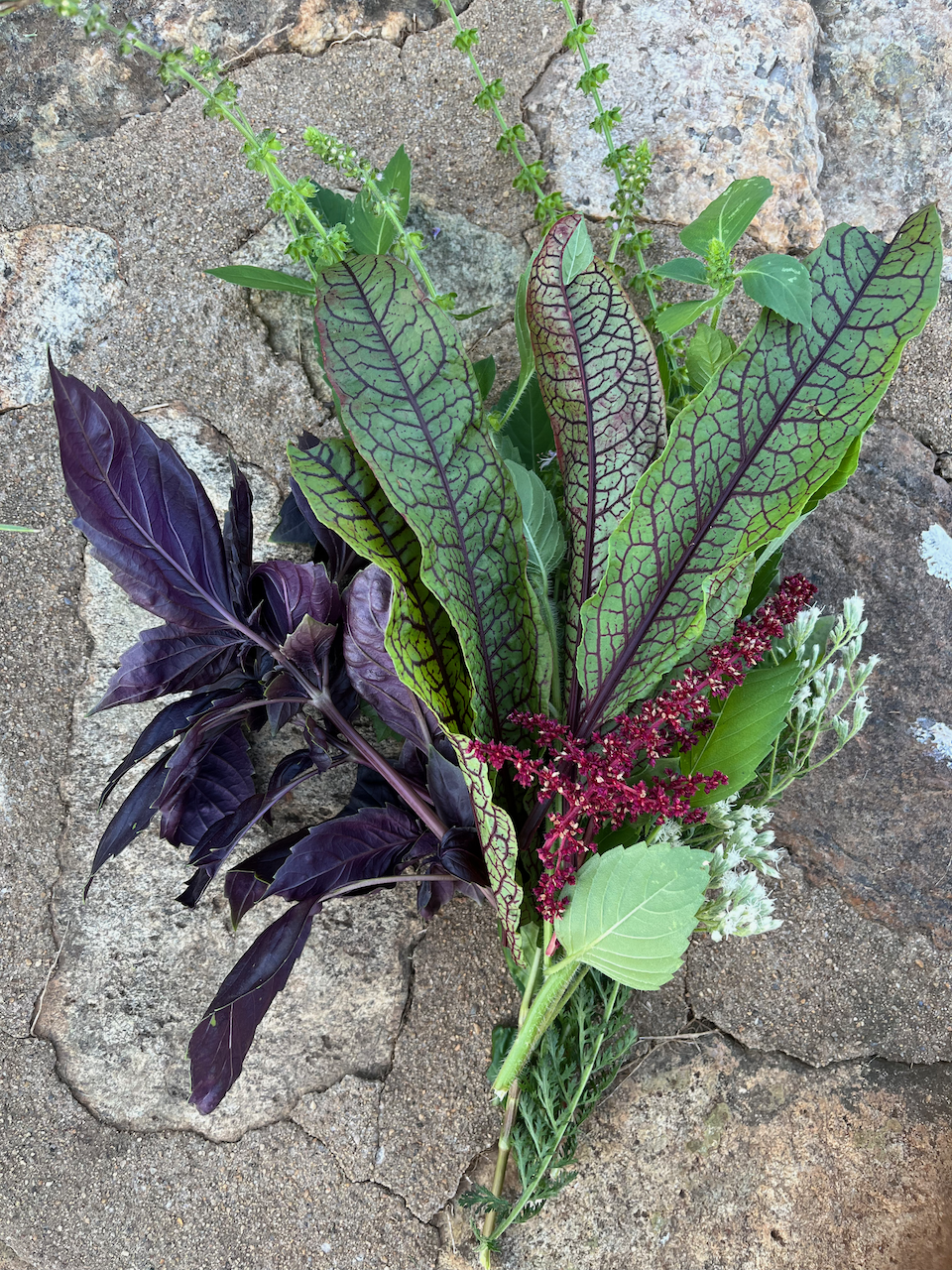
An evening bundle for eating, tea, drawing or pressing. Purple basil, red-veined sorrel, Tulsi (holy basil), Hopi Red Dye Amaranth, and unknown wildflowers.

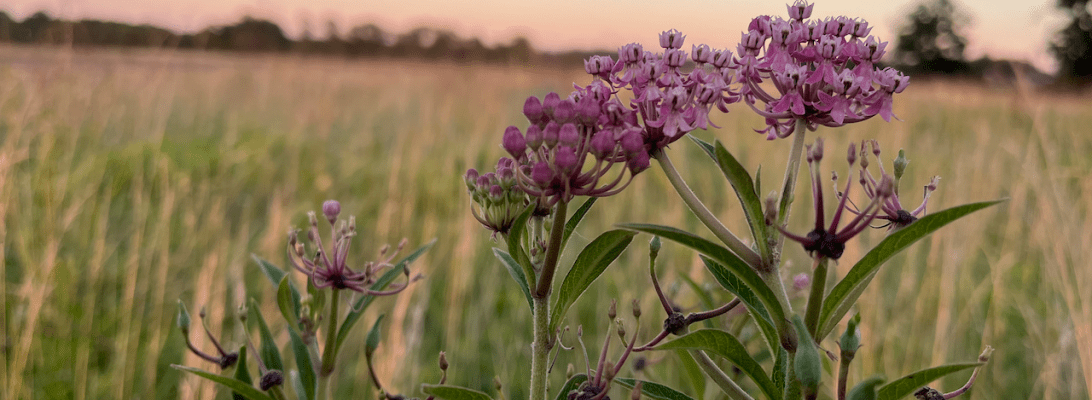
We have a bike if we want to pedal around, but so far I’ve been mostly walking the extensive mowed trails through the pastures and on the country roads to get around. I walk about 3- 5 miles a day. Walking lets me really experience the land. Like Sphinx moths at dusk, dipping their long proboscis into four o’clocks and lilies; a praying mantis patiently stalking prey from the underside of a mint leaf; the thistles still in bloom but also going to seed, and the goldfinches joyfully bouncing about them gathering food; the crows here making delightful sounds I’ve never heard, I suppose a Virginia dialect I’m not familiar with; a roosting swallowtail butterfly settling in at dusk overlooking the Blue Ridge Mountain range; a fox scurrying between the rock walls; and the faint smells each dewy morning of a skunk that had issues with someone the previous night. 

A swallowtail butterfly settles in for the night on the prairie, overlooking the Blue Ridge Mountain range.

I share a lovely house with one other artist, Lorena. I have my own upstairs bedroom, bathroom, and sitting room – where I am now writing this and looking outside the open windows hearing the morning crickets and birds. Adjacent to the house is Lorena’s studio and mine- we each have our own which is good, especially since she does photography and film and needs the room dark as can be, and I’ve got all the windows open for as much light as possible! All the other artists in our cohort (6 total) also have their own studios. I could do most of my work in this sitting room if I wanted to, but having the option to be a bit messy and not worrying about ink or paint dropping on nice furniture is good.  

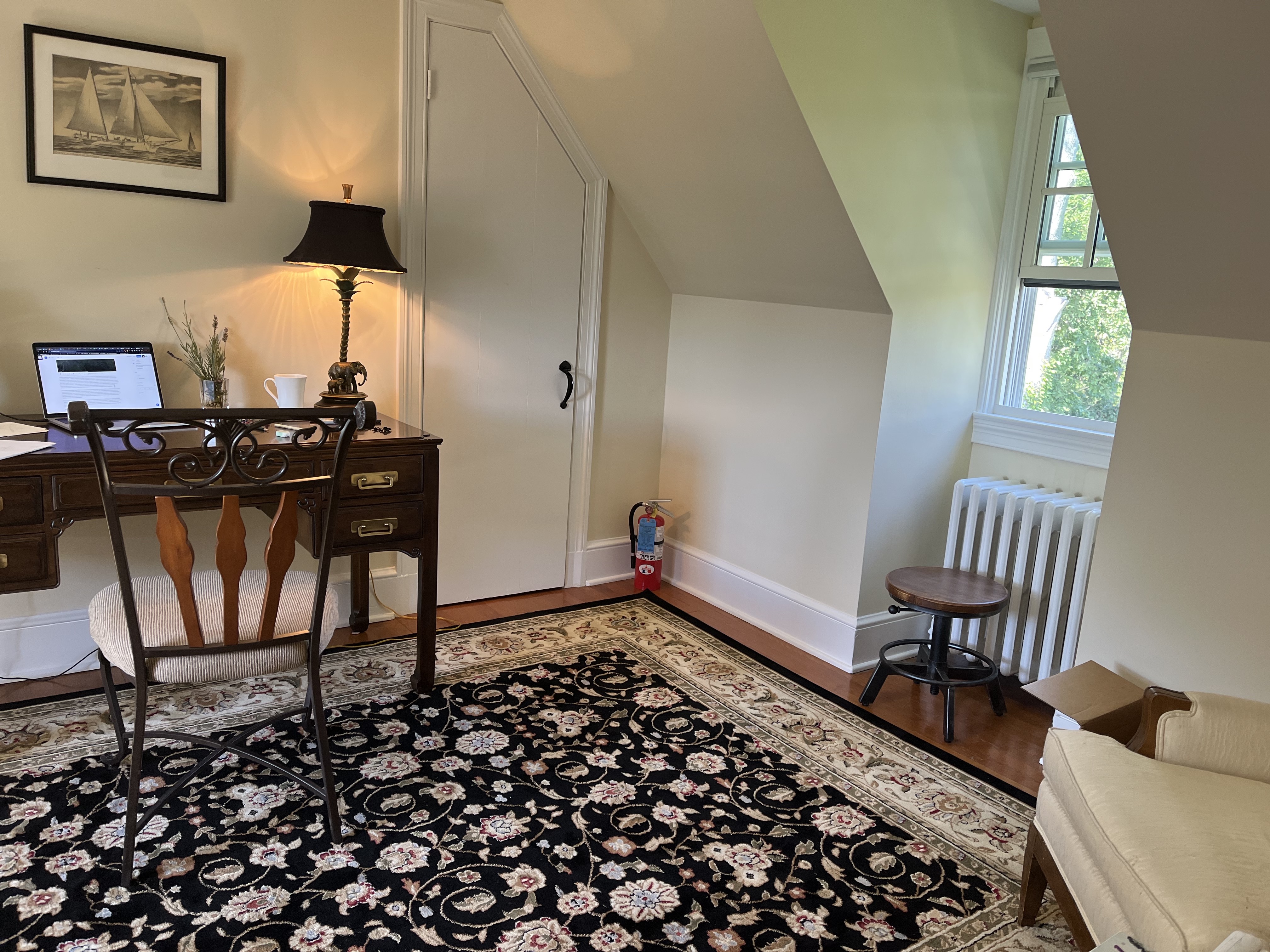
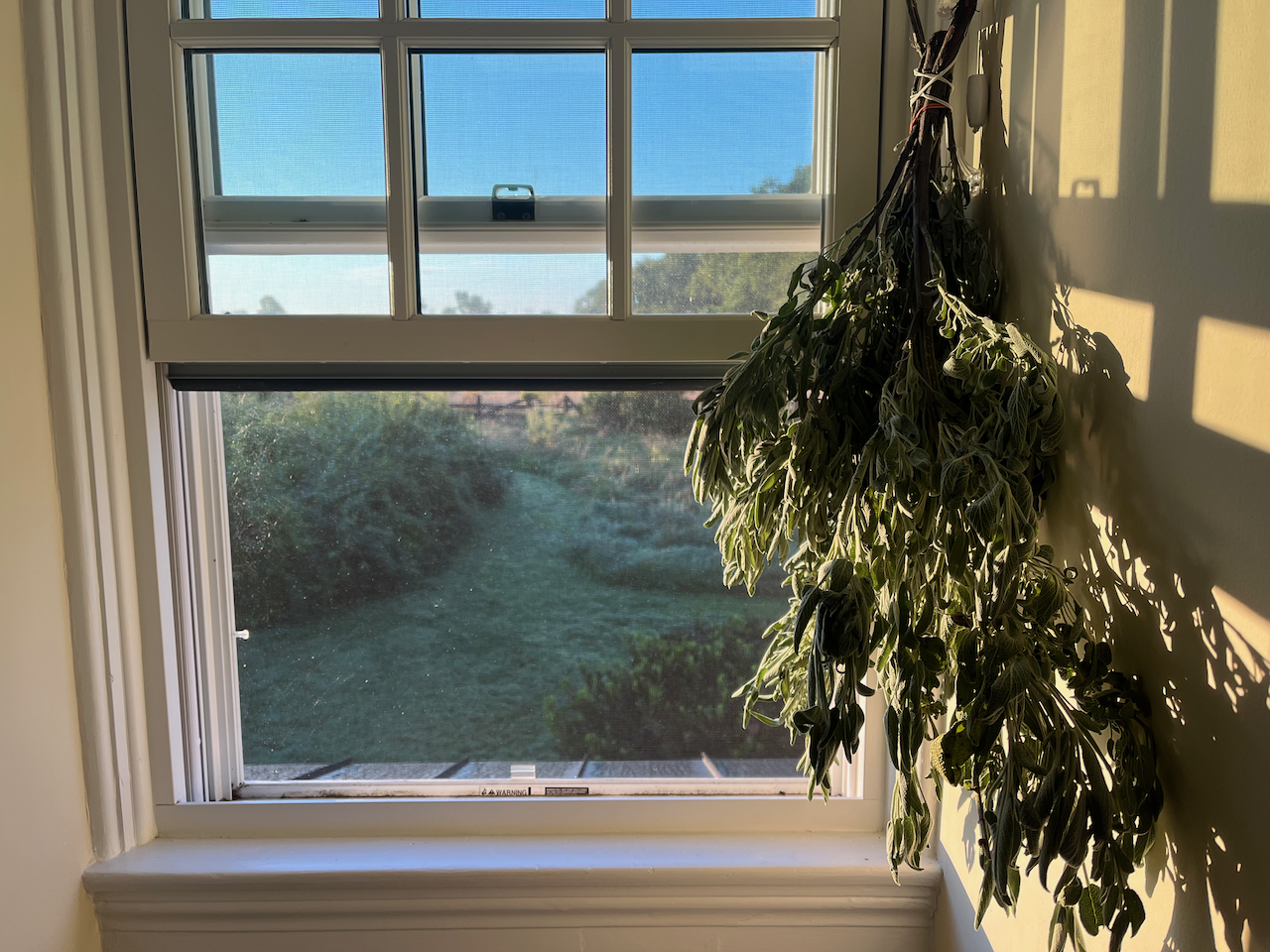
My own sitting room, across from the bedroom on the upstairs floor. This is where I’ve started doing some of my initial drawings, reading and flower pressing. I’ll settle into the studio soon once I start painting and printing.

I’ve mostly been getting settled and acquainted, going on tours of the facilities and landscape so we know how and where and who all the parts work around here. It’s also been nice to not feel any pressure of time since we are here for so long, so each moment doesn’t feel wasted even if I’m not being productive. I need to embrace this feeling more in my daily life!

Now that most of our tours of the landscape are done, I can settle in and start creating, while also continuing to explore all the nooks and crannies of this place. I have a list of ideas I’d like to pursue, but am not committed to anything. I’ve already added ideas to the list, having been inspired by critters and plants here since the very first day. I’d like to finish up my series of paintings for the Heritage Crop project I’ve been commissioned for. 31/42 crops have already been submitted so I’d like to knock out this last batch and get going on the other ideas. 

Still pinching myself that I’m here!