

This thing can be breakfast, lunch, dinner or all three. It’s awesome, tasty, satiating, and healthy. Equally important it makes use of available ingredients in your fridge.
Everything is negotiable. Use what you have, omit what you don’t, and add what you love. This is how to eat seasonal!
I got the idea from a friend and co-worker Maya at Working Food. When she owned and operated the Jones Eastside Restaurant in Gainesville, the East Side Bowl was a delicious favorite of mine. But there were more potatoes than I would opt for, so I modified it to be more veggie-heavy and even absent of potatoes altogether.
Being a CSA customer (Community Supported Agriculture) with the Family Garden, my fresh box of veggies is often turned into veggie bowls. Mountains of greens cook down to nearly nothing, making quick work of using them up!
Ingredients:
- Mixed sautéed veggies in any fathomable combination and quantity (peppers, eggplant, greens, carrots, radishes (yes, radishes!), broccoli, kohlrabi, potatoes, sweet potatoes etc.)
- Onion, chopped
- Garlic, chopped
- Eggs, over easy (or however you prefer them; runny eggs IMHO make everything better)
- Salt and pepper to taste
- Nutritional yeast to taste (optional)
- Easy versatile dressing (optional)
- Finely chopped fresh turmeric as a topping (be sure to sprinkle final dish with fresh black pepper)
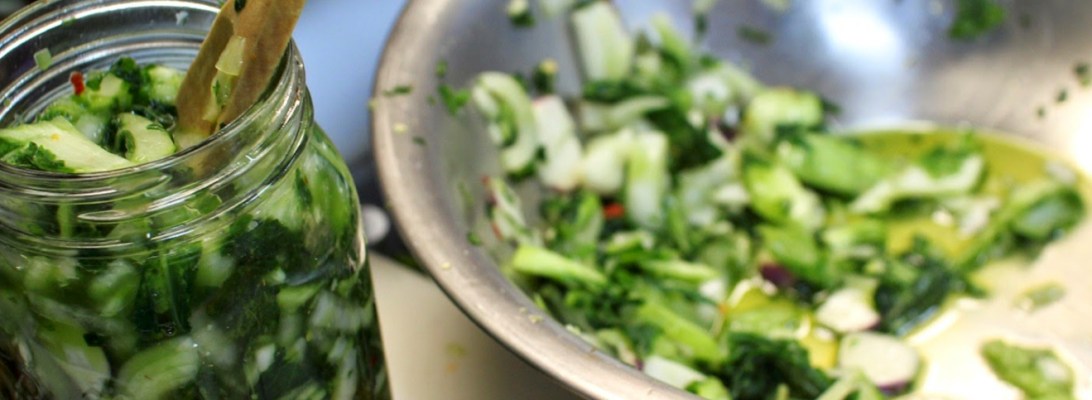
- Generous dollop of fermented veggies (i.e saurkraut or kimchi)
- Cheese of choice (optional)
- Hot sauce or hot pepper flakes (optional)
Instructions:
Sauté onions in oil until they are nice and caramelized (preferably, but not necessary), add garlic and all your veggies. If using potatoes, you’ll want to pre-boil them or add to pan first until nearly cooked, using more oil and a lid to cook them up BEFORE adding the additional veggies.
Don’t sauté veggies more than a few minutes. Aim for firmness and retention of color. Add nutritional yeast and salt and pepper towards the end, to taste.
Put all cooked veggies into a bowl, top with a serving of fermented veggies and runny eggs, or any optional ingredients like cheese, hot sauce, nutritional yeast. I try to avoid dairy at home as I think it leads to inflammation when consumed too much. But a little cheese takes this dish over the top!
Yummmmmm!
 seedsandstories.blog