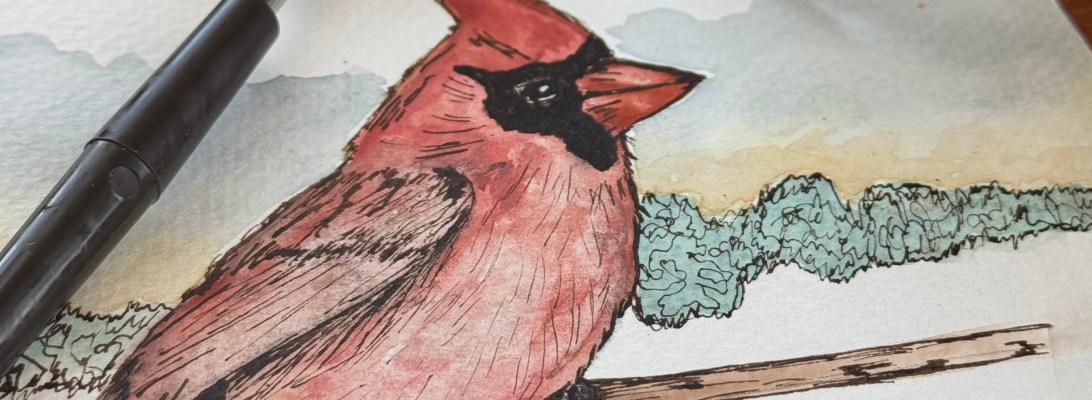
drawing with walnut ink

I love outlining and detailing my paintings with fine ink. But even the best artist quality ink pens have been a huge pain in the butt, always getting ruined when trying to draw over dried paint. It feels wasteful, all those plastic pens just giving up so easily. And I’m constantly scribbling them on a separate page in attempts to revive them, only to just get a few more lines before they crap out for good. I had an aha! moment while enjoying another amazing artist residency program at Oak Spring Garden Foundation.

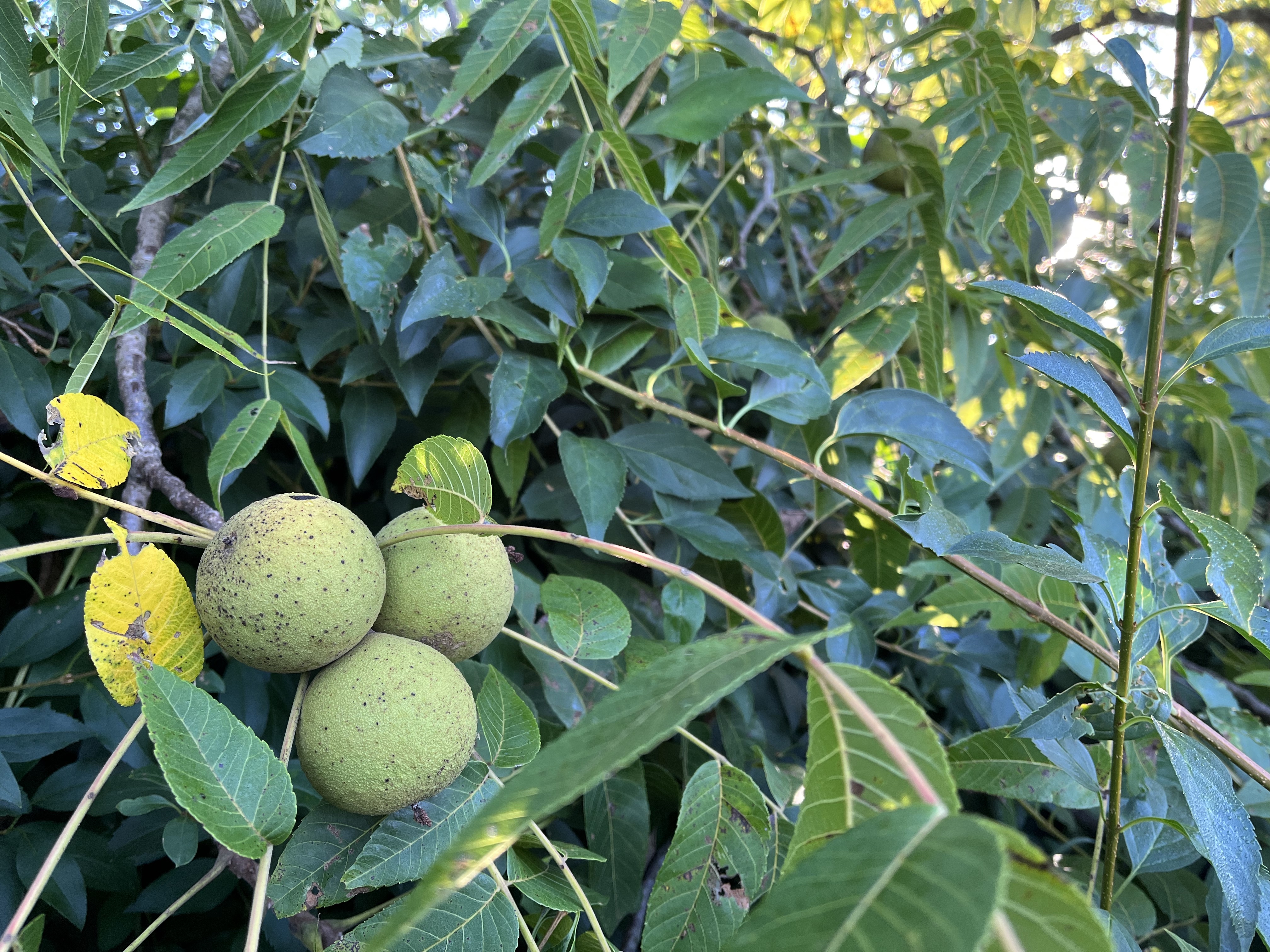
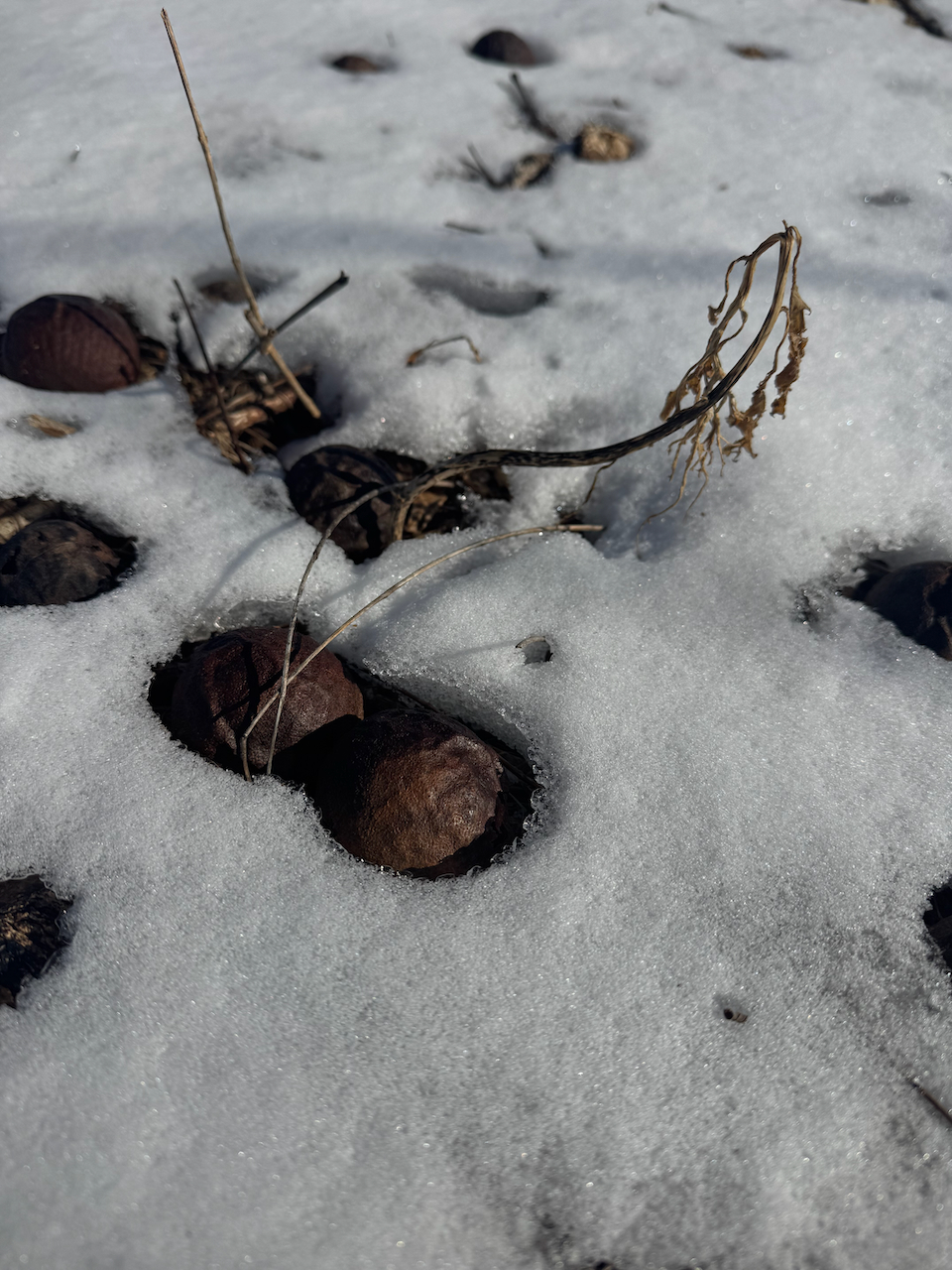
I arrived here in Virginia in mid-January. Not a great time to forage for botanical inks, but a good time to stay indoors and be creative. I happened to be here during the Arctic blast system that sent snow to Florida! The highs were in the teens, lows in the single digits for many days. All the plants are dead or dormant. But I did know from the previous times I roamed about in warmer weather here, that the stand of Black Walnut trees behind the farm might have some fallen and frozen fruits. I just couldn’t help myself, so I got on all my winter gear and wandered around, trying to remember where exactly those trees were, and then searching around the ground underneath for the fruits once I found them.

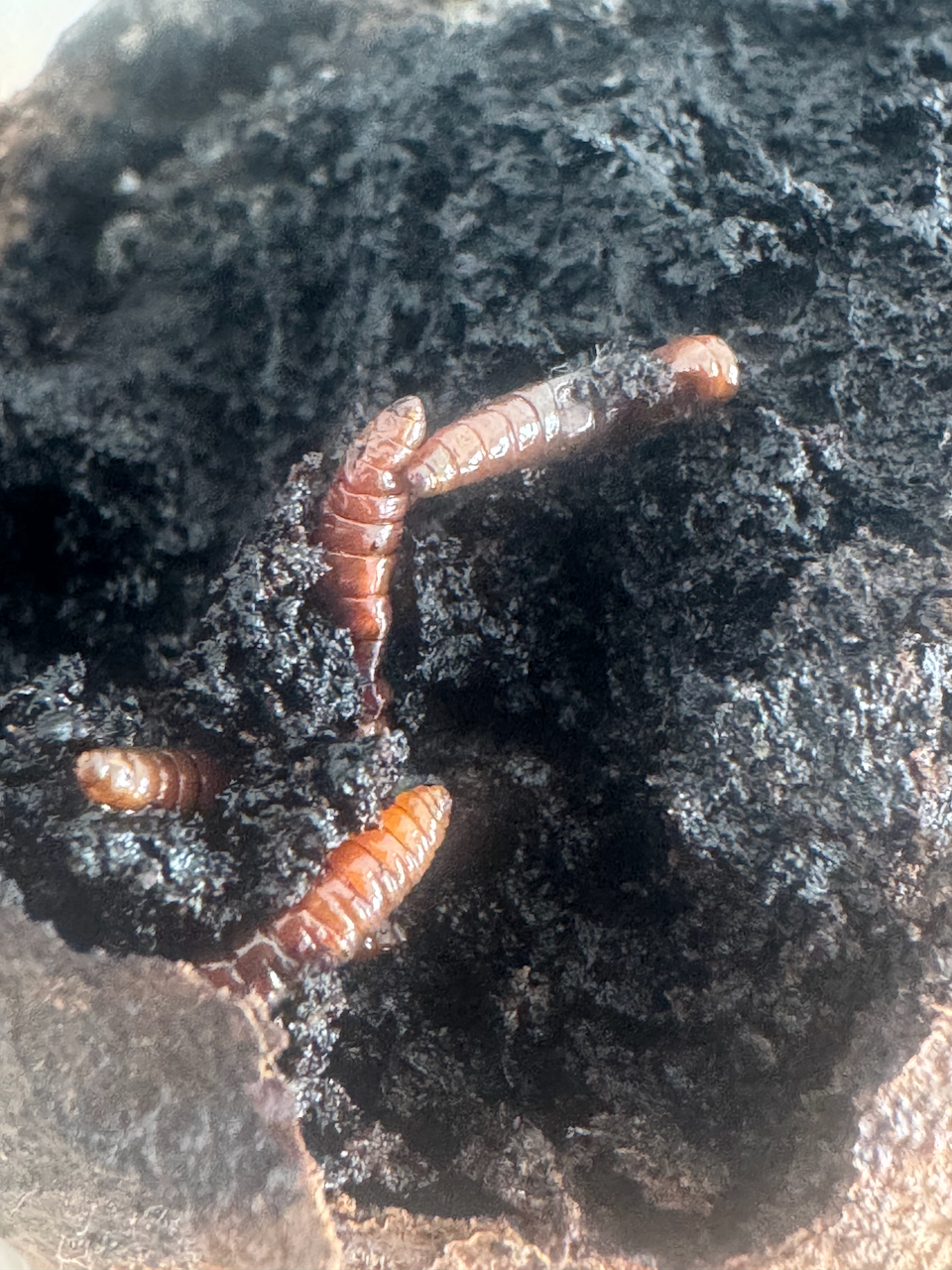
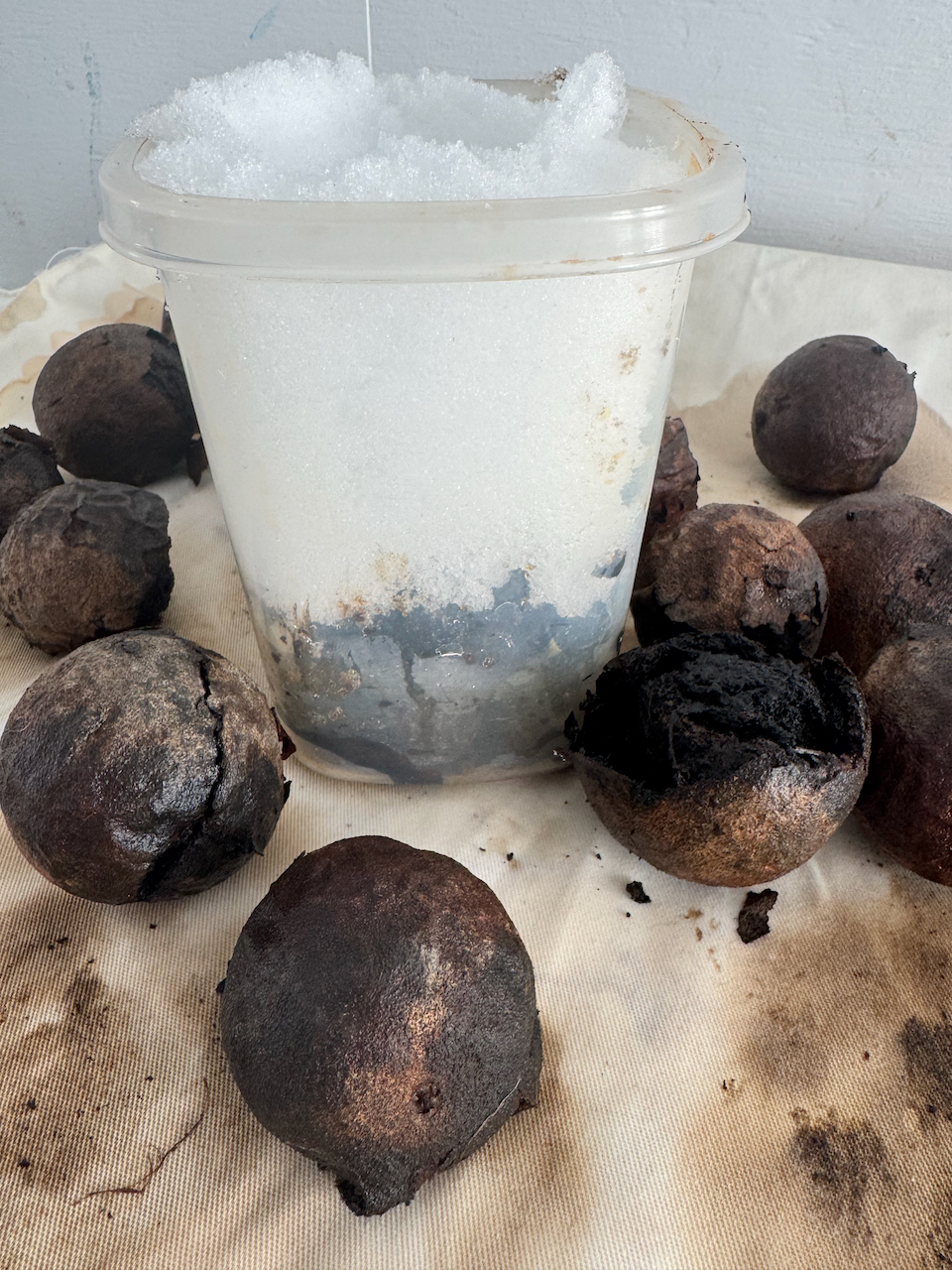
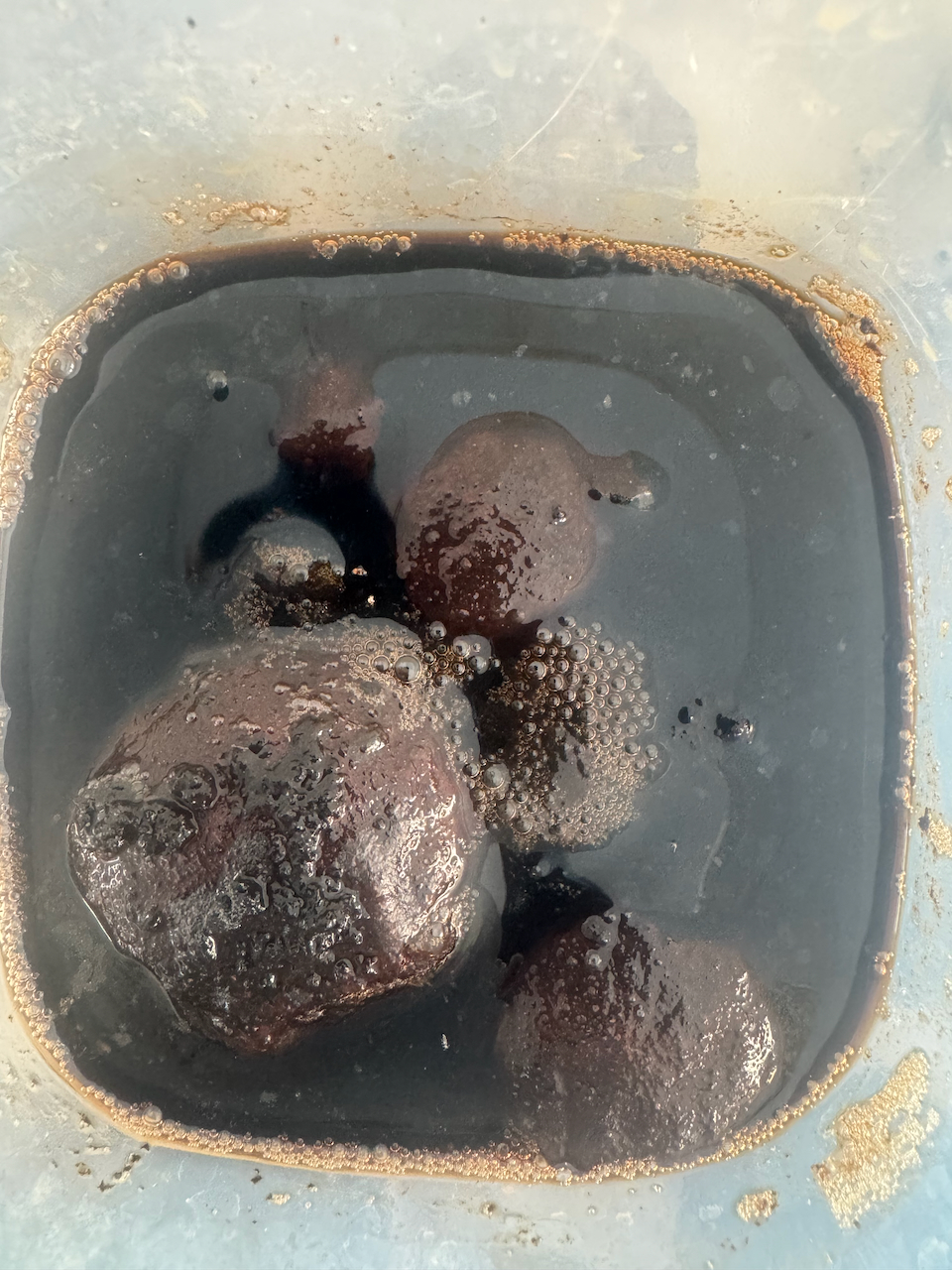
I found some in the snow, decomposing. Yay! I gathered a few, washed them off, and then let them soak in snow for several days in the studio. One had some dead little grubs inside, so I accidentally took some winter bird food away from the critters. Although I wonder what they taste like, soaked in that intense tannic juglone chemical that keeps many other plants from growing nearby.
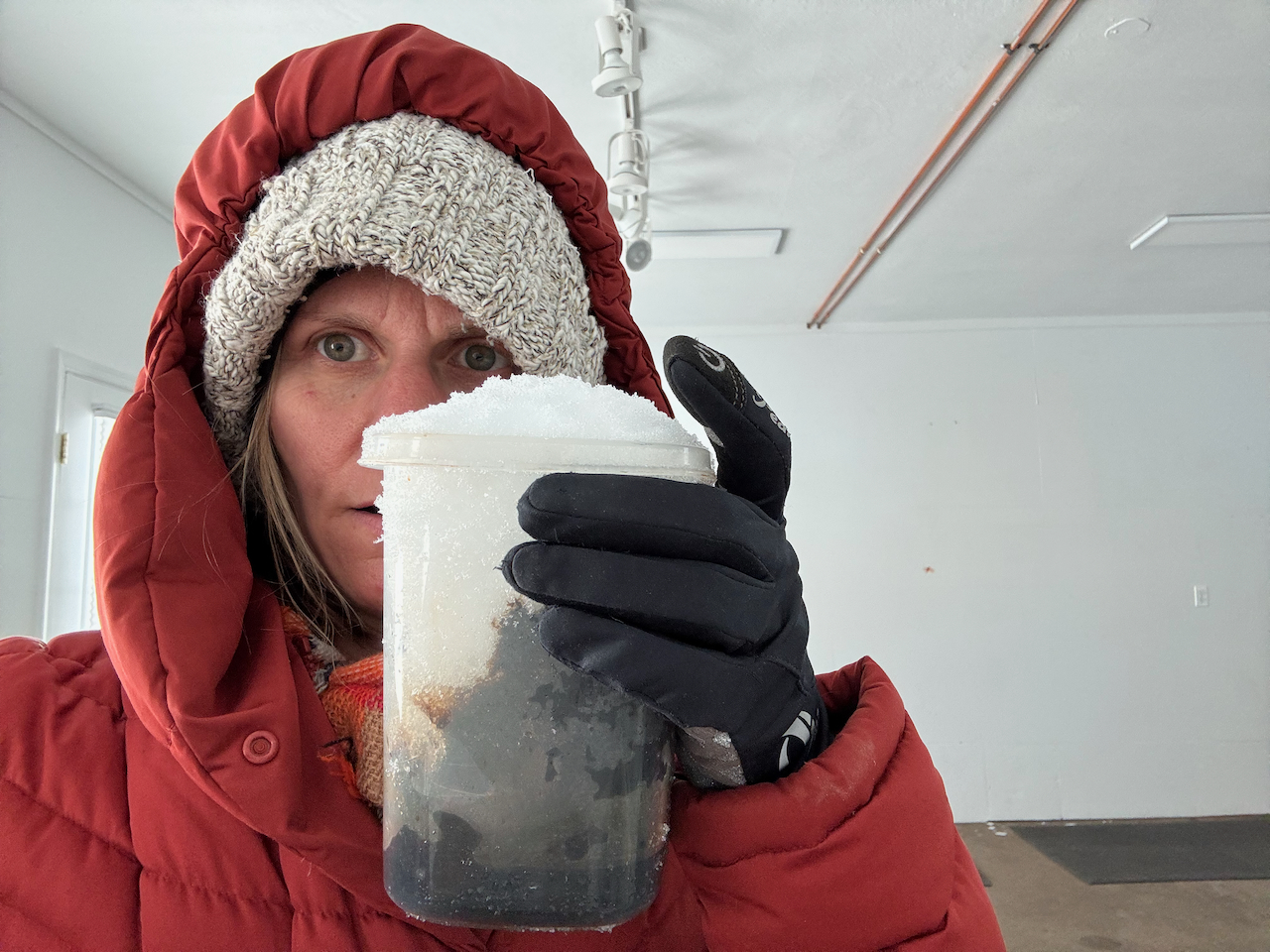
After soaking in melted snow for a few days, I gently simmered the watery brown liquid for an hour or so until is was concentrated enough to my liking. I then strained, bottled, and labelled a little jar – and that’s it.
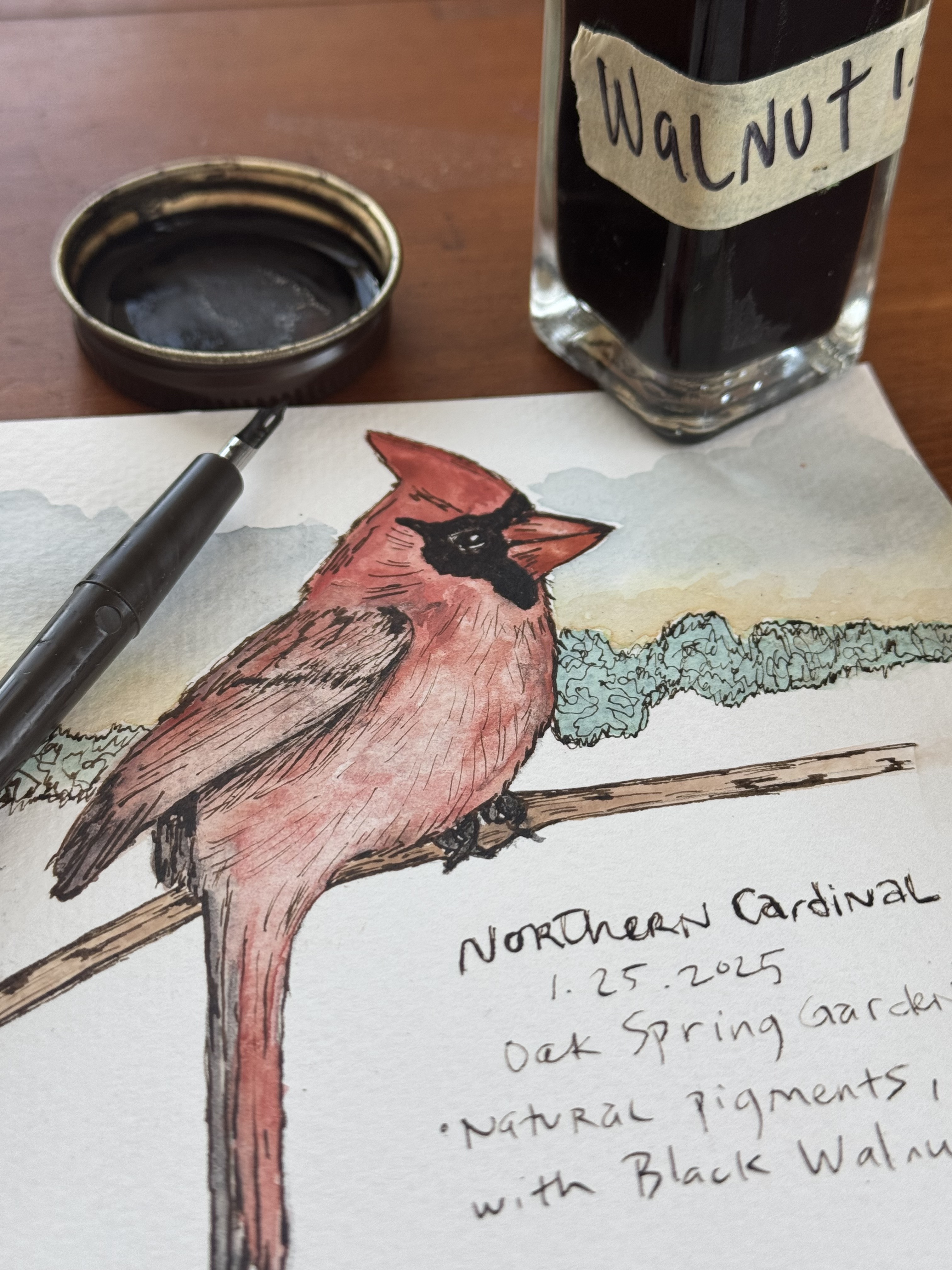
As I was doodling and painting various birds and getting frustrated again with those dang pens, I wondered….could I find a dip pen and try my own recently made ink?

It seems anything you need at this place, appears if you ask. When I first arrived, I inquired about a humidifier for my room, as the dryness was parching me. I’m so used to Florida humidity, and not adapting well to the cold and dry. Headaches, thirst, bloody nose. Ugh. The next day, James (our artist resident coordinator) showed up at my door with one! So I asked – might there be a dip pen around I could borrow? And there was!

So I tried my freshly made walnut ink and it’s a dream! The detailed lines I got with this simple pen were amazing. Neither the ink or pen were ruined by the paint at all. I was delighted and surprised at how long the ink lasted in the little dip pen reservoir, before needing another dip.

This is a game changer for my work. I can now use my own handmade inks and avoid wasting plastic pens. It’s also really pleasurable to hold an old and effective tool in my hands, doing slow and methodical work.

The only downside I see thus far, is that that the walnut ink is not waterproof. So I can’t paint over it once the final lines are drawn. This particular nib also seemed a bit scratchy, maybe from being practiced with by amateurs like me. Perhaps a new one, in a more skilled hand will glide better. It will also likely work better on smoother, hot press watercolor paper compared to the cold press and more textured paper I tend to use.

I have so many colorful botanical inks in my collection, and can’t wait to try them! I just ordered a sampler set of nibs and a holder so that I can keep practicing when I get home. I might try making my own version of India ink, from burnt pine bark chunks I have from a prescribed burn site.
eventually we all turn brown

Part 4 of a series of posts about my artist in residency experience at Oak Spring Garden Foundation.

In my ongoing experimentation with creating paints from plants on site, I have learned what most people dabbling in or perfecting this art have as well: lots of things turn brown! It makes a whole lot of sense if you stop for a second and think about it. All living beings will eventually return to the soil and turn some shade of brown. Dying plants, seed pods, fallen leaves, decaying bones and flesh….

So macerating petals and simmering leaves with the hopes to preserve vibrant hues is not in line with nature just doing her thing. The trick is figuring out if it’s possible to capture the pigments and preserve them before they turn brownish. Some will oblige, others will not. For those that will not, the fleeting glimpse of their living pigments on paper is only meant to be enjoyed for a short period of time. Or perhaps best enjoyed on the living plant.

What’s our obsession with preserving things in perpetuity anyway? Avoiding change or worse – death! Why do we allow ridiculous things like embalming bodies in formaldehyde so they don’t rot and turn brown? I wrote about death awhile ago. It’s all around us, all of the time but our culture prefers to ignore it, and be afraid of it. You and me, and everyone we love are going to die one day and turn brown (if we go the natural way of things and avoid formaldehyde and cremation). I’m not being morbid, or pessimistic, or dark. Quite the contrary! Accepting that we are not here forever, allows us to fully embrace and love the hek out of this ephemeral life! This colorful, beautiful, ephemeral life. 

Trust me. As a cancer survivor, every precious day is more vibrant because of death.

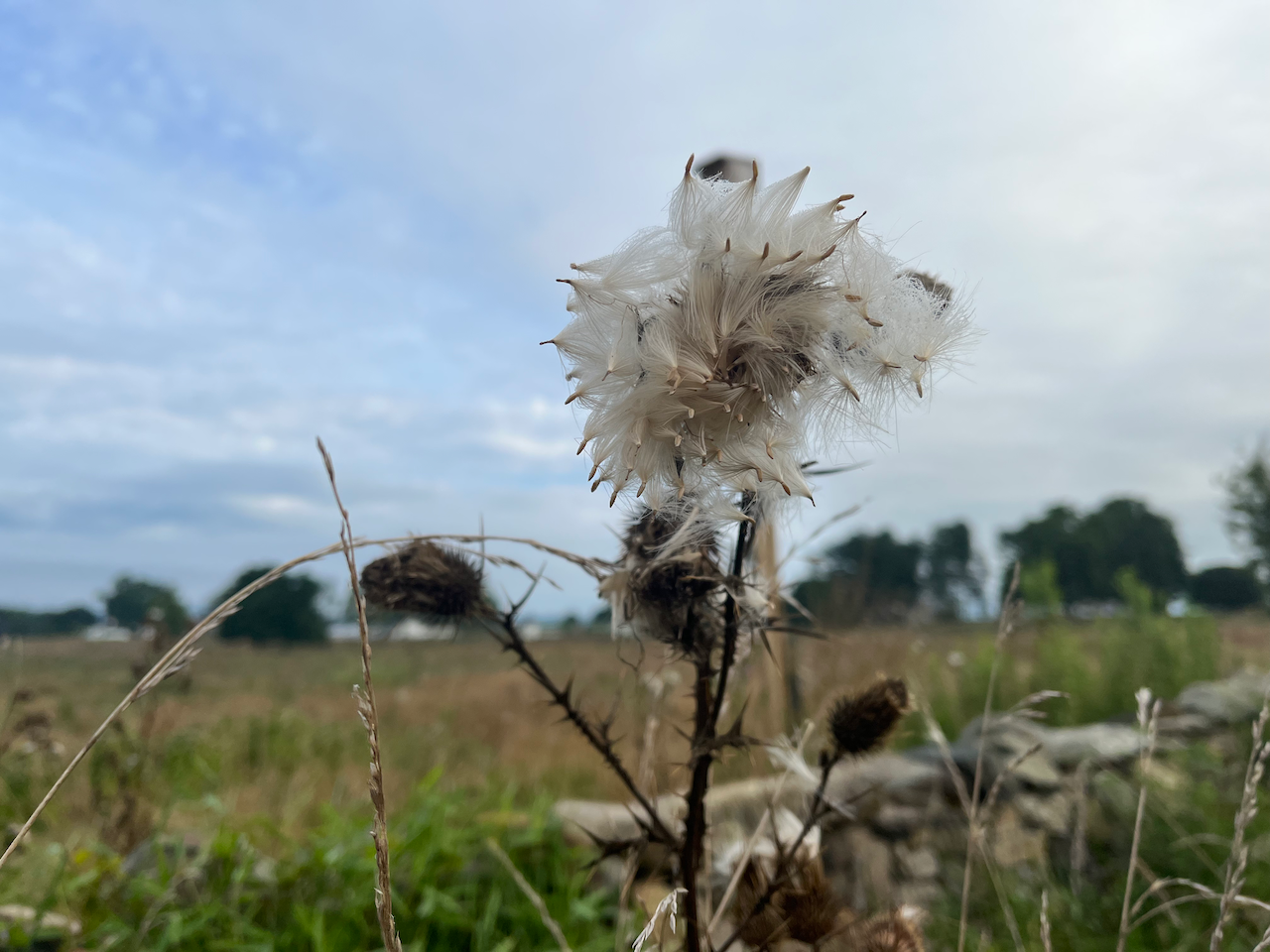
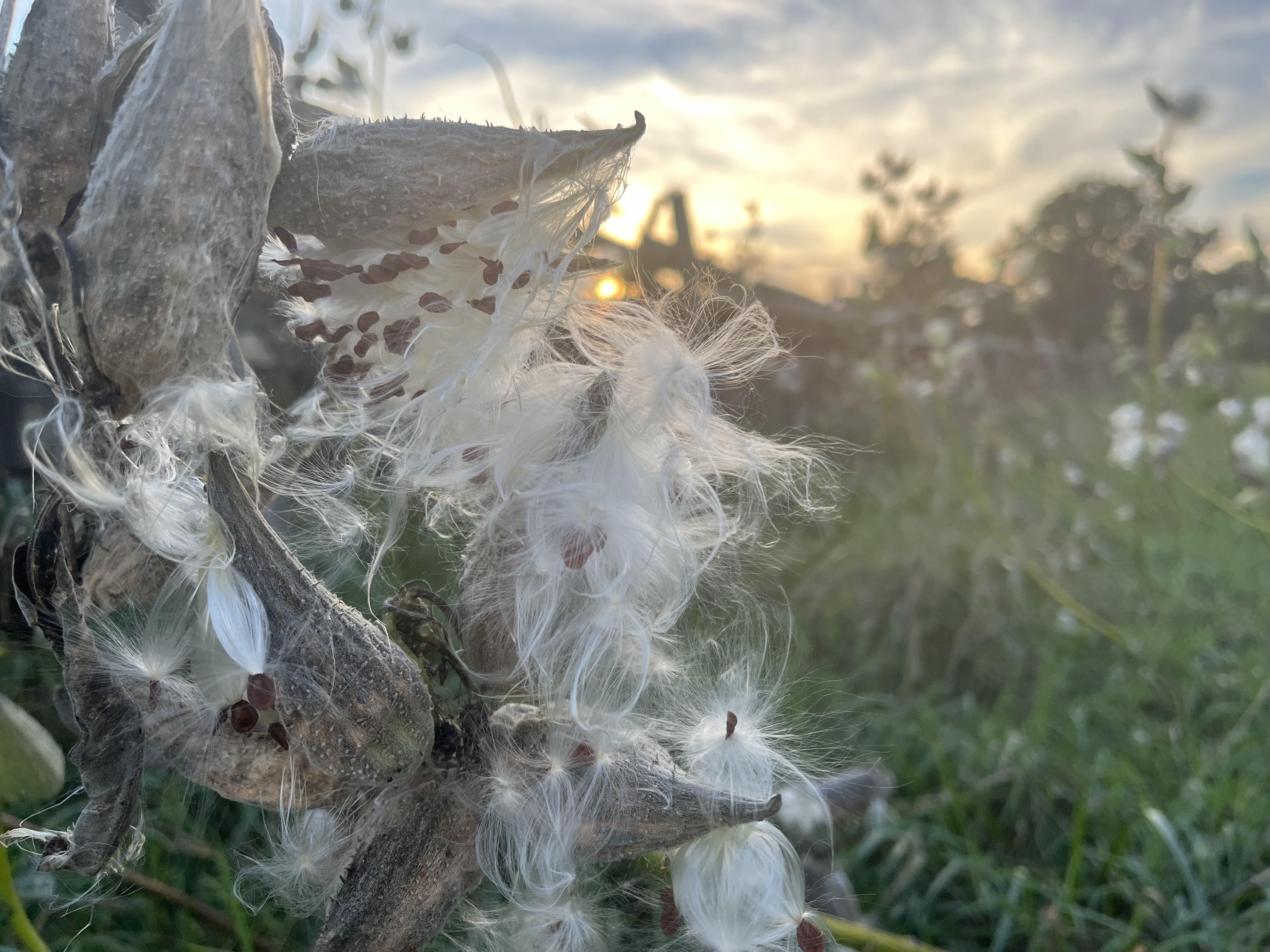
In my early disappointment at watching vibrant green or yellows turn brown, I looked around me and realized – it’s just fine! Plenty of pretty beings living or dead are some shade, or many shades of brown. The Polyphemus moth, and actually most moths and many butterflies, rabbits, coyotes, milkweed and thistle seed pods, spiders a plenty, lots of birds fully brown or with brown bellies or throats, falling leaves, grasses going to seed…. So I embraced the browns and the shades of them I was getting. 

Anyhow, back to plant pigments! 

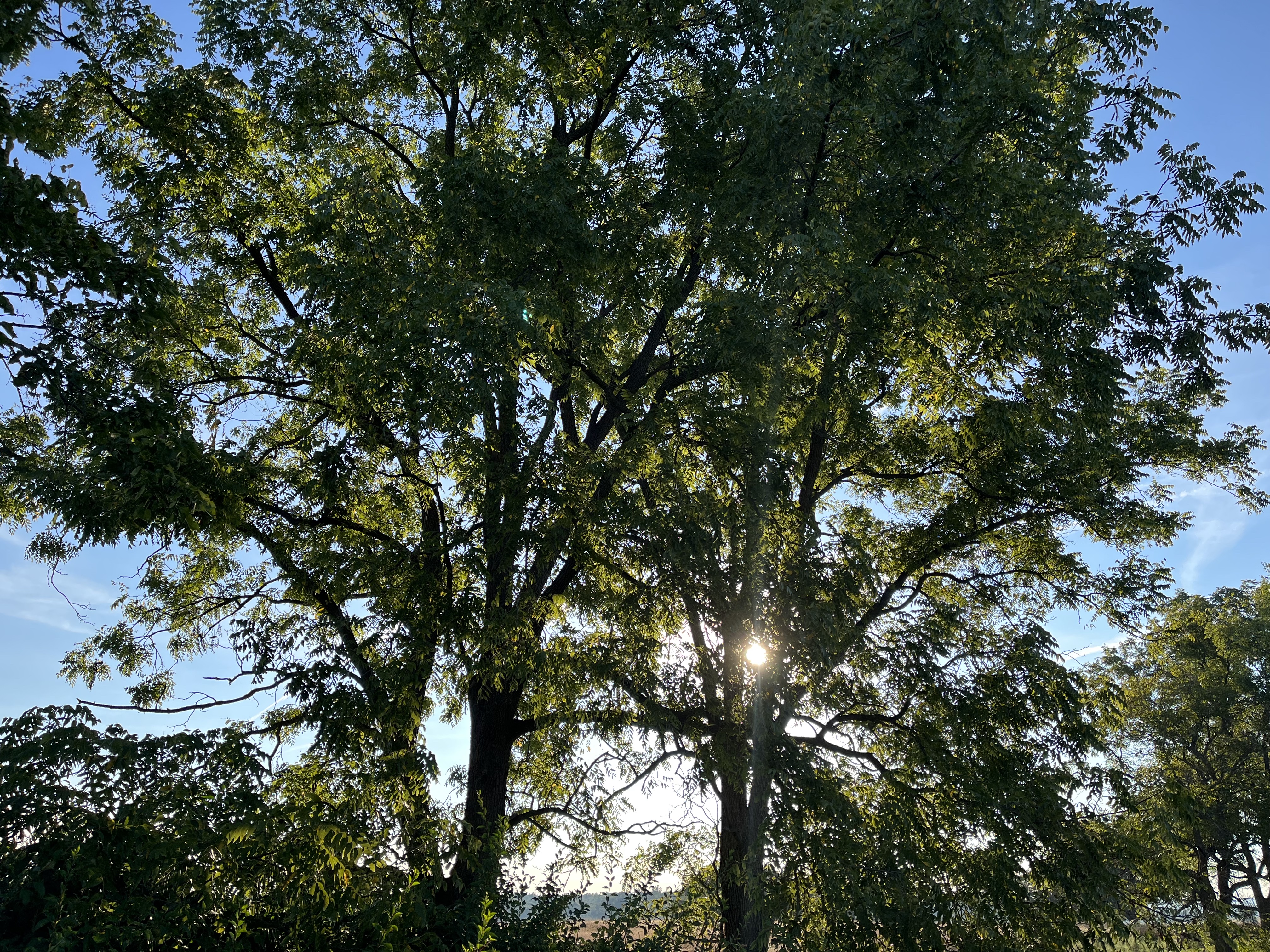
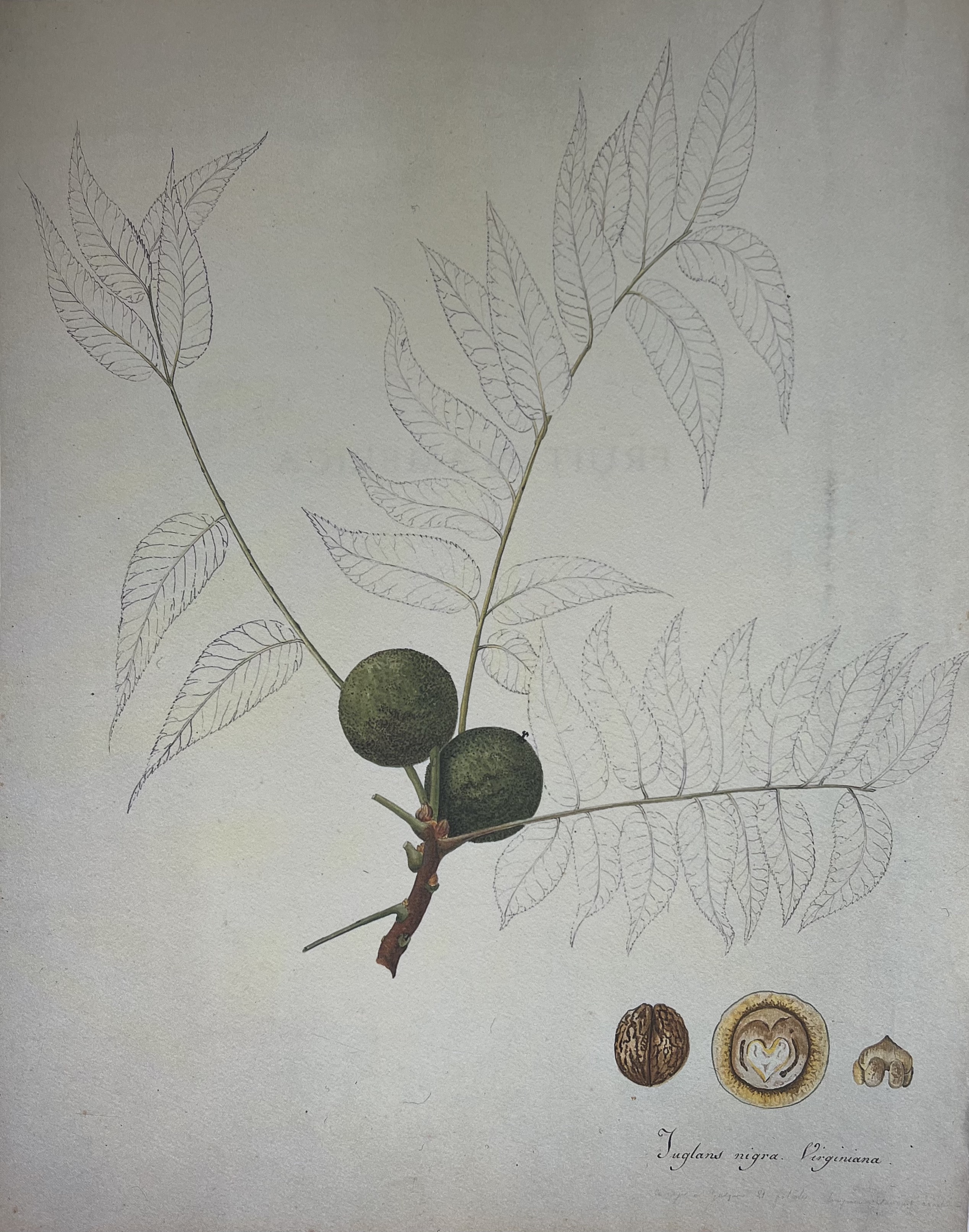
One that particularly made me happy was the Eastern Black Walnut. A common complaint is that the fallen fruits stain things when they drop. PAINT! In the same way I always spot SEEDS! whenever I’m out and about, I am now looking and wondering….PAINT?! One of our cohort mates here Jackie, a botanist from the Dominican Republic, found a Black Walnut tree here and brought me some of the fruits to play with. 

The Eastern Black Walnut is a native tree to the Eastern US, and considered a “pioneer” species meaning they are one of the first trees to establish in disturbed areas like along roadsides, in fields, and forest edges; places that are more open. They don’t thrive in forests with other trees and lots of shade. They must spread out in full sun to live their best life. They secrete a chemical into the soil called juglone which repels some species of plants. A partial list includes includes tomatoes, potatoes, peas, peppers, cabbage, alfalfa, serviceberry, chestnut, pine, arborvitae, apples, blueberry, blackberry, cherry, azalea, rhododendron, lilac, hydrangea, privet, and members of the heath family. But not all plants are poisoned by juglone, some will thrive and others can tolerate it. 

The tree is lovely in her own right, but of course as humans we need to know the uses for living beings to understand them or find value. So, it turns out that walnut trees makes fantastic lumber, the staining fruits are used to make dyes and inks, the nuts are edible for many wildlife and of course humans too, and the abrasive shells have many industrial uses for blasting, sanding and filtering things. 

The process of making paint from the Black Walnut fruits was simple. What I loved most is that it required nothing but time, water, and heat to prepare. 

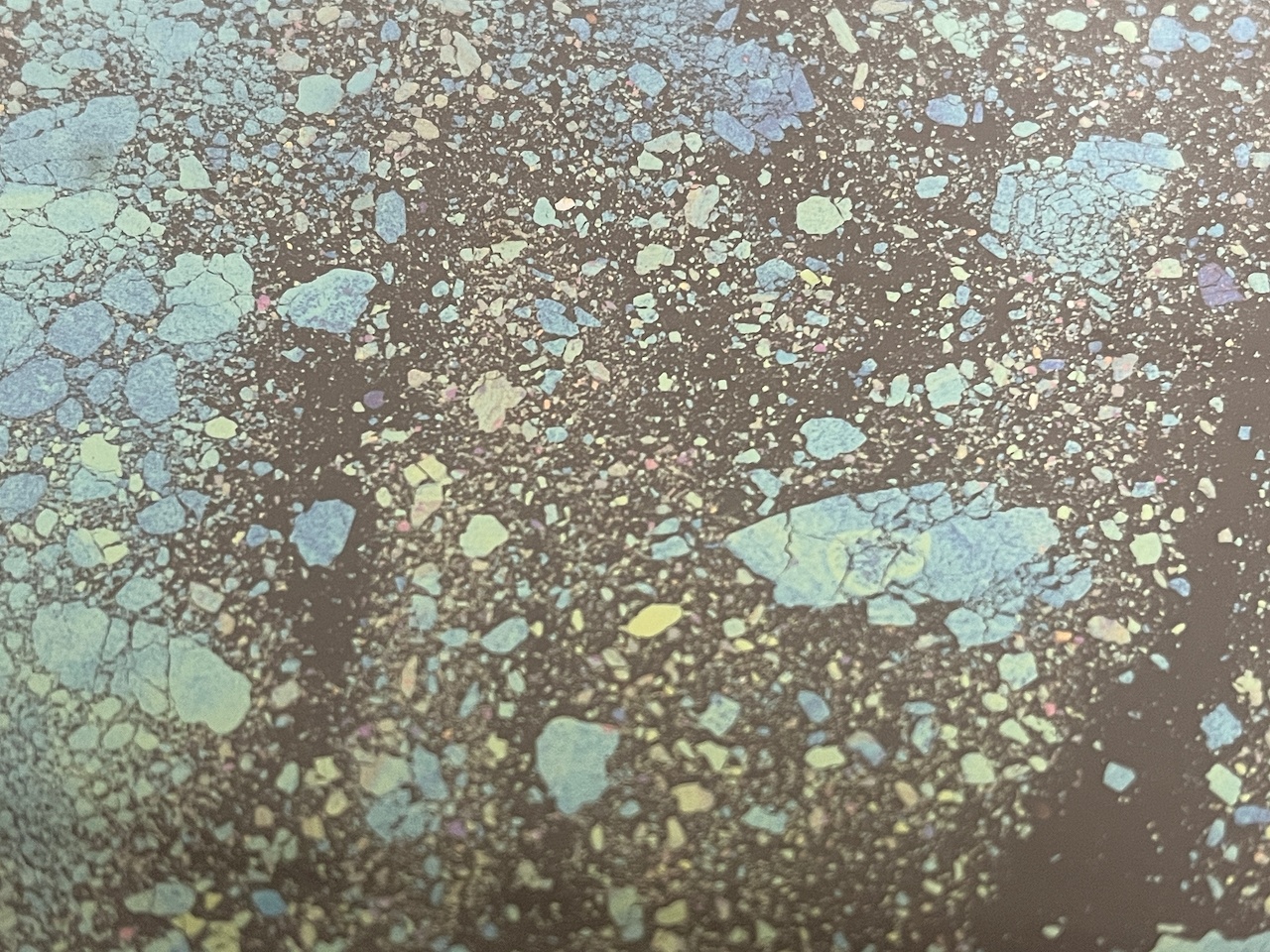
I cracked the fruits with a hammer against a hard floor, to remove the skin from the seed and shell. I broke the skin into as many pieces as possible and covered them with water. I did not wear gloves, but kind of wish I had. My hands were stained brown, fading to yellowish tan for many days. I don’t really care, but it was pretty obvious and perhaps something to consider next time! They soaked for 48 hours out in the sun while I was tinkering with other things in my studio. The water turned a lovely deep, iridescent mix of yellowish-greenish-brownish hues as the oils, pigments and tannins leached out. Then I strained out the chunks and gently simmered the solution for about 1 hour on the stove. I let it settle and tried to take a photo of the lovely design on the surface of the inky water, but only got my reflection! 

That’s it! Next up for all my paints, I will be adding a solution made of gum arabic, honey, thyme oil and glycerin that all together help bind the pigments to the paper, prevent decay, and slow the drying time of the paint. I’ll share my “recipes” later on once I’ve fiddled and had a chance to compile all my notes and color charts. 

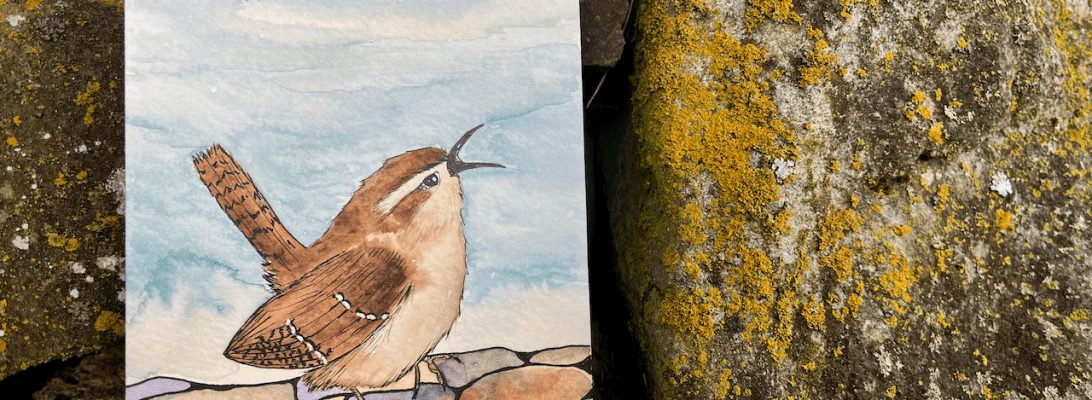
Here are just a couple of lovely brown creatures I created. They are all using only paints I’ve made here from local plants! 

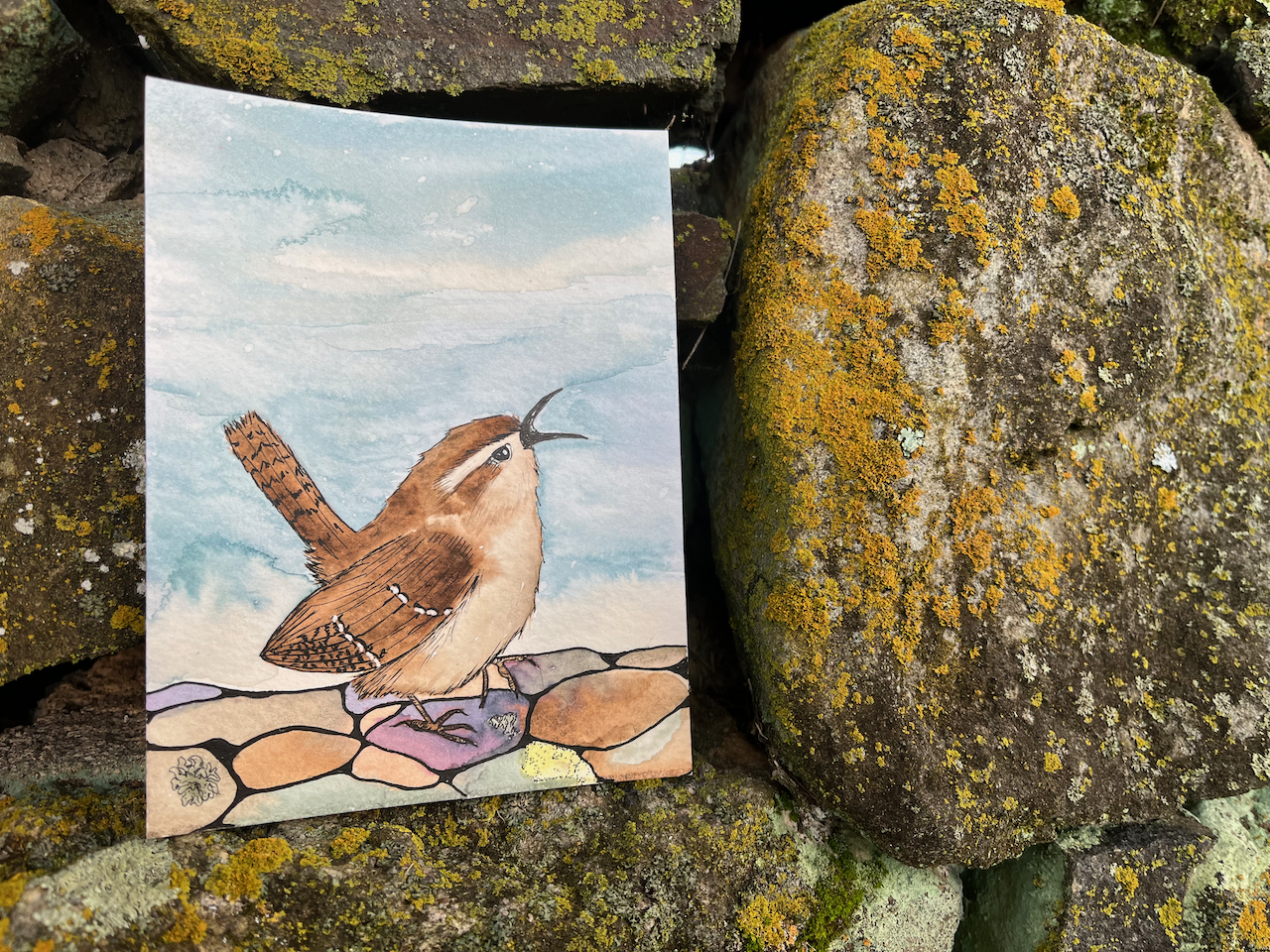
The iconic rock walls covered with lichens and mosses are familiar here, as are the familiar Carolina Wrens that belt out their tunes. Little Wren’s browns were created using Black Walnut’s Ink (the dark brown on his back), and brownish hues of Narrow-leaf plantain and yellow onion skins mixed to make his brownish belly. The rocks that are brown are various invasive plants from around here that I acquired during a workshop I attended.
Polyphemus moth. Those antennae get me every time! Various shades of brown used include pink onion skins, plantain leaf and Black Walnut fruits. The mossy inspired background is a wash of orange marigold with splashes of beets, yellow onion skins and butterfly pea.