look, it’s complicated

Part 6 of a series of posts about my artist in residency experience at Oak Spring Garden Foundation.

It’s been about a year since I picked up my linoleum tiles and carving tools to make a print. It felt good! I’ve wanted to create this lifecycle piece for awhile now, but had forgotten about it. I was reminded while here at the lovely Oak Spring Garden Foundation for my artist in residency stay, and had the time to dig in.

During my evening walks and meanderings about the gardens, I’ve been entertained by the flurry of hawk moth activity. We met in the lilies, and I followed them out to the 4 o’clocks- both very pronounced and tubular flowers.

This piece is inspired by the complicated relationships we have with insects. As a farmer and seed saver, growing tomatoes is important to me. As an ecologist and lover of all life, insects are also important to me. The process of metamorphosis so many insects undergo is marvelous. From a caterpillar to a pupae to a moth or butterfly. I wrote about metamorphosis awhile ago.

Oh my! It’s something spectacular.
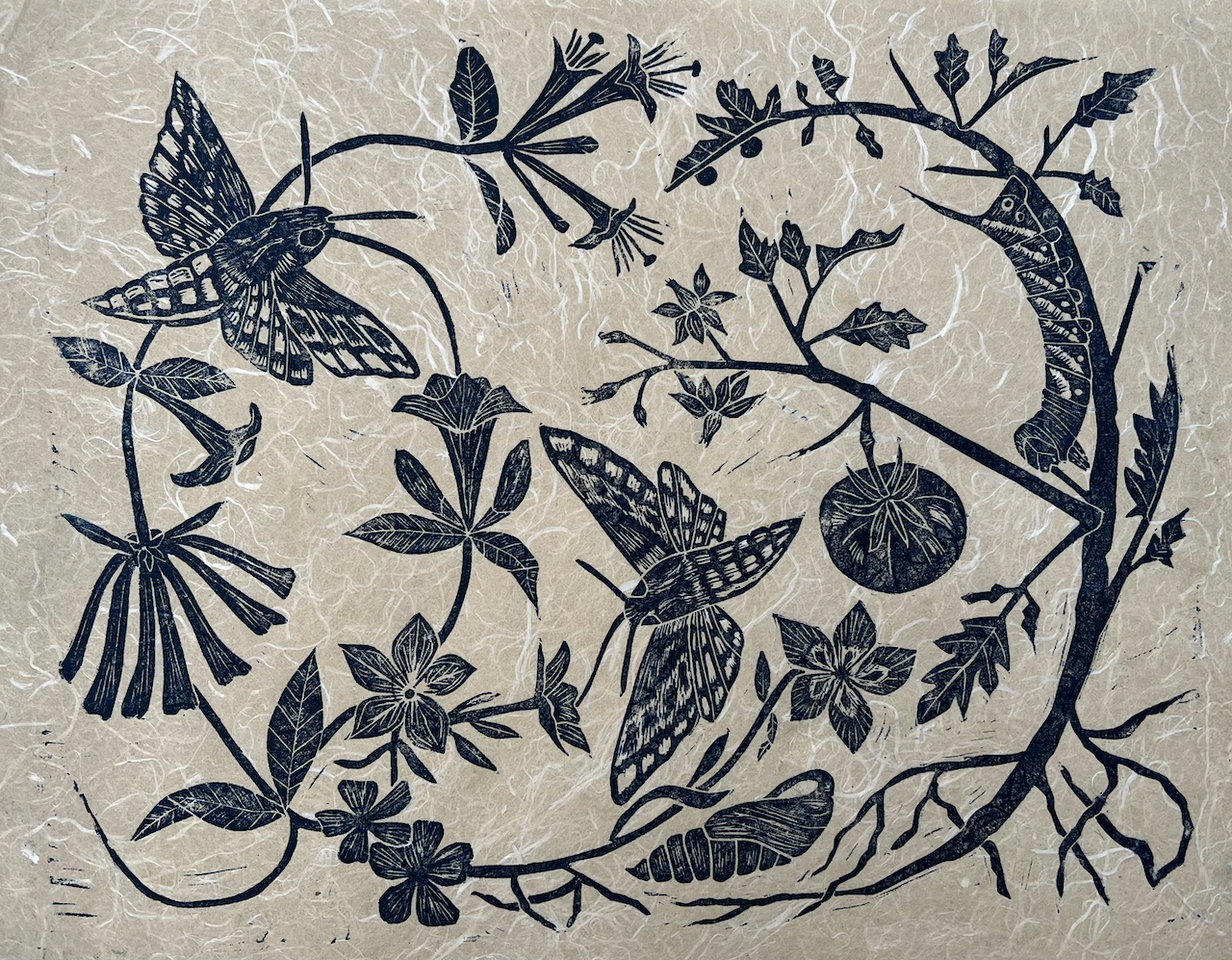
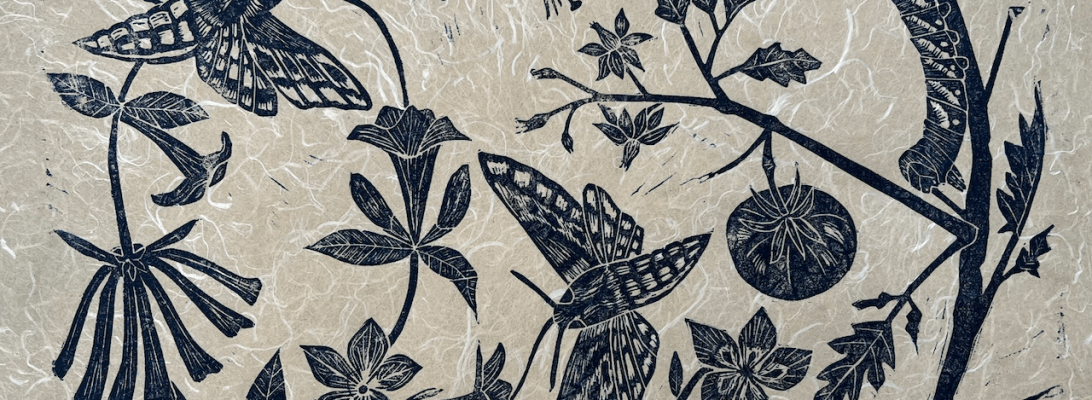
My latest linoleum carving + print showcasing all stages of this insects life from egg to moth.

But when a tomato hornworm shows up, things get really complicated.

I think the bright green caterpillars are cute! Soft and silky, I like to pet them gently. After a few strokes, they settle in, and I think they might actually like the little massage. The horn on their back is a bluff. They are gentle, tomato-loving creatures. But they are ravenous for tomato plants and can do quite a bit of damage before going noticed.
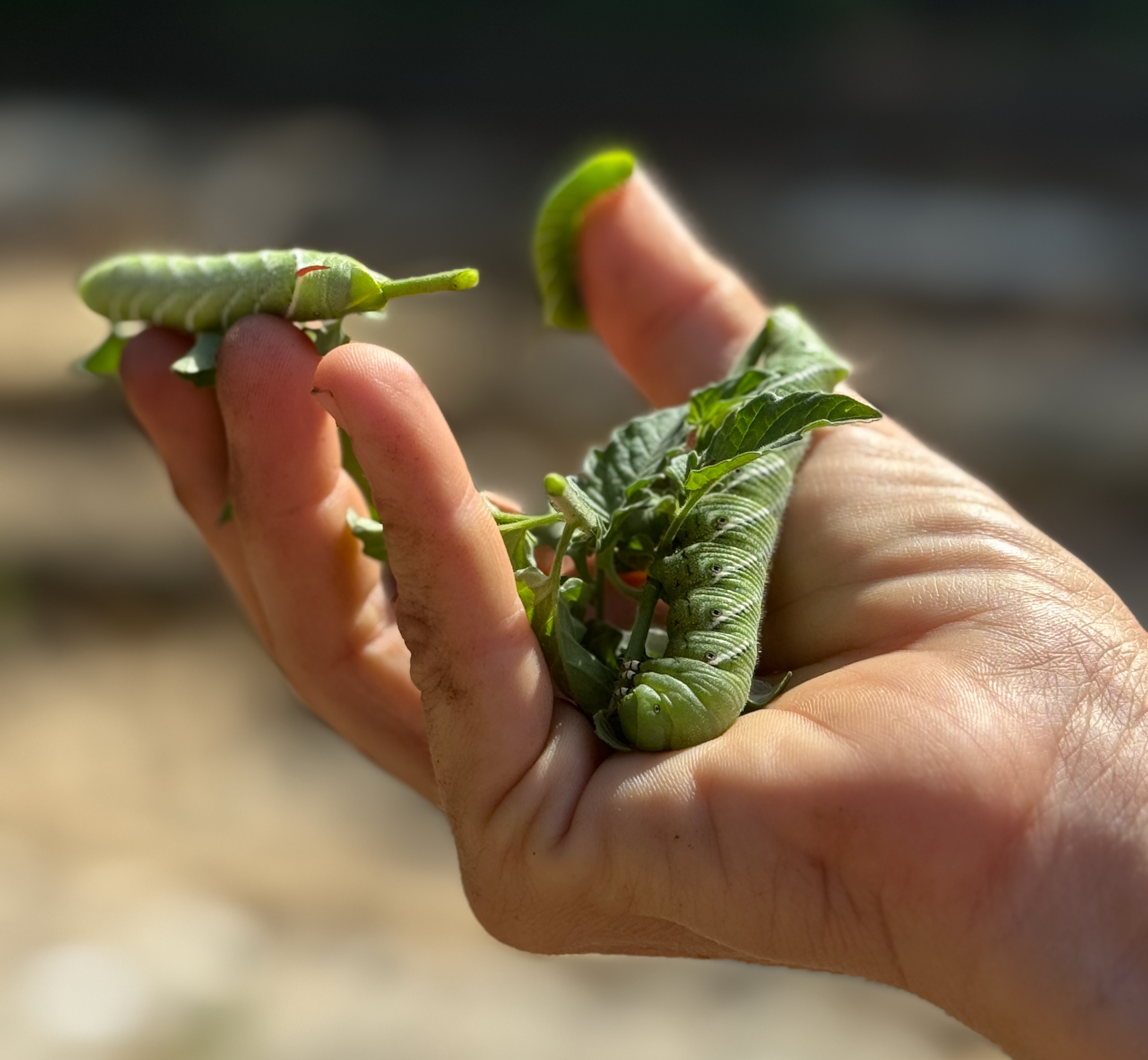
Once they are fat and satiated on tomato leaves, flowers, and even fruits, they crawl to the soil and pupate underground. This is where metamorphosis magic happens. Cells liquefy and re-organize themselves. Crawling muscles swapped for flight muscles, extra legs swapped for wings, and so on.

The emerging pupa are gorgeous moths, known as the 5-spotted hawk moth. Their exquisitely long proboscis (tongue) is specially designed to sip from flowers with similarly long and tubular necks. They need each other. They are so large and so fast, they are often mistaken for hummingbirds. And so they are also colloquially referred to as hummingbird moths.
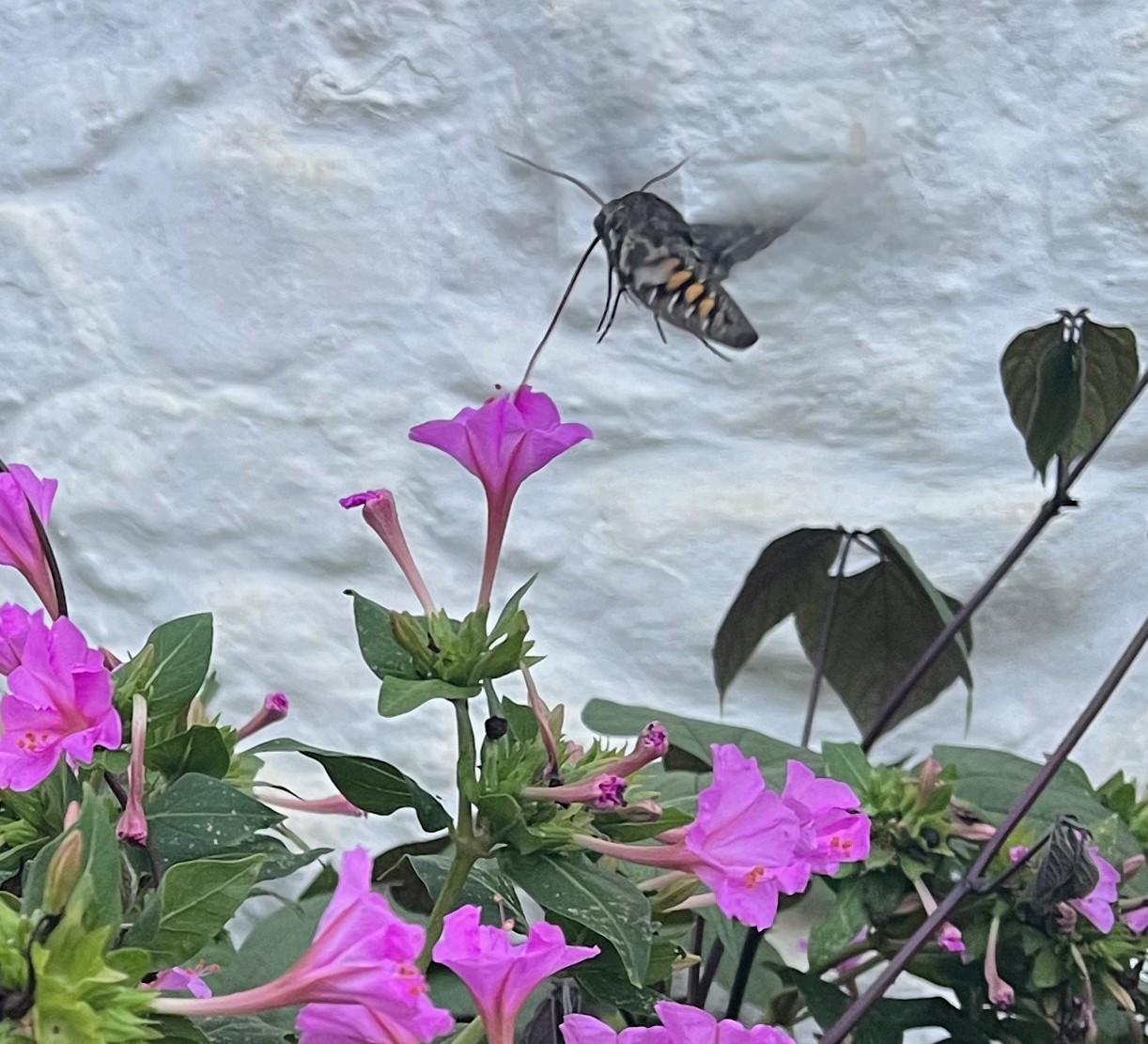
An Oak Spring Garden resident visiting the 4 o’clocks.

I’ve seen them consistently every evening here at Oak Spring Gardens. I imagine back down in Florida, they are finding some great native plants like jessamine, phlox, trumpet vine and coral honeysuckle, which are depicted in this piece. Long tubular flowers with a sweet nectar treat waaaaay down in there, waiting for the pollinator match to arrive. Lots of ornamental garden plants are also likely to attract them.

Unlike hummingbirds, these nectar feeding pollinators are mostly active at dusk and night time. They lay their eggs singly on the host plant- tomatoes- starting the cycle all over again. Each tiny egg will hatch into a teeny tiny caterpillar that will successfully grow into larger and larger versions of themselves – as they devour tomato plants. We often won’t spot them till significant damage is done and they are quite fat. At this point, they are close to going into life phase 3: underground pupae.

Farmers and gardeners typically reach for a bottle of something or other to “take care” of the problem. And they are not necessarily wrong in doing so. Tomato hornworms have the ability to destroy a crop of tomatoes if it gets out of hand.

I have found a balance.

I will let a few get large enough to successfully become pupae, depending on the size of my tomato plant population. The little tiny caterpillars (if I can find them!) might be squished, along with an apology and a prayer if I feel the plants can’t sustain their own growth and that of the hungry, hungry caterpillars.

Sometimes nature swoops in on horrifying wings and takes care of things. Braconid parasitoid wasps lay their eggs inside a living hornworm caterpillar, and the hatched larvae literally eat the poor caterpillar alive. So if you ever see white rice-like things protruding out the back of a caterpillar, best leave it alone and let Mother Nature do her thing.
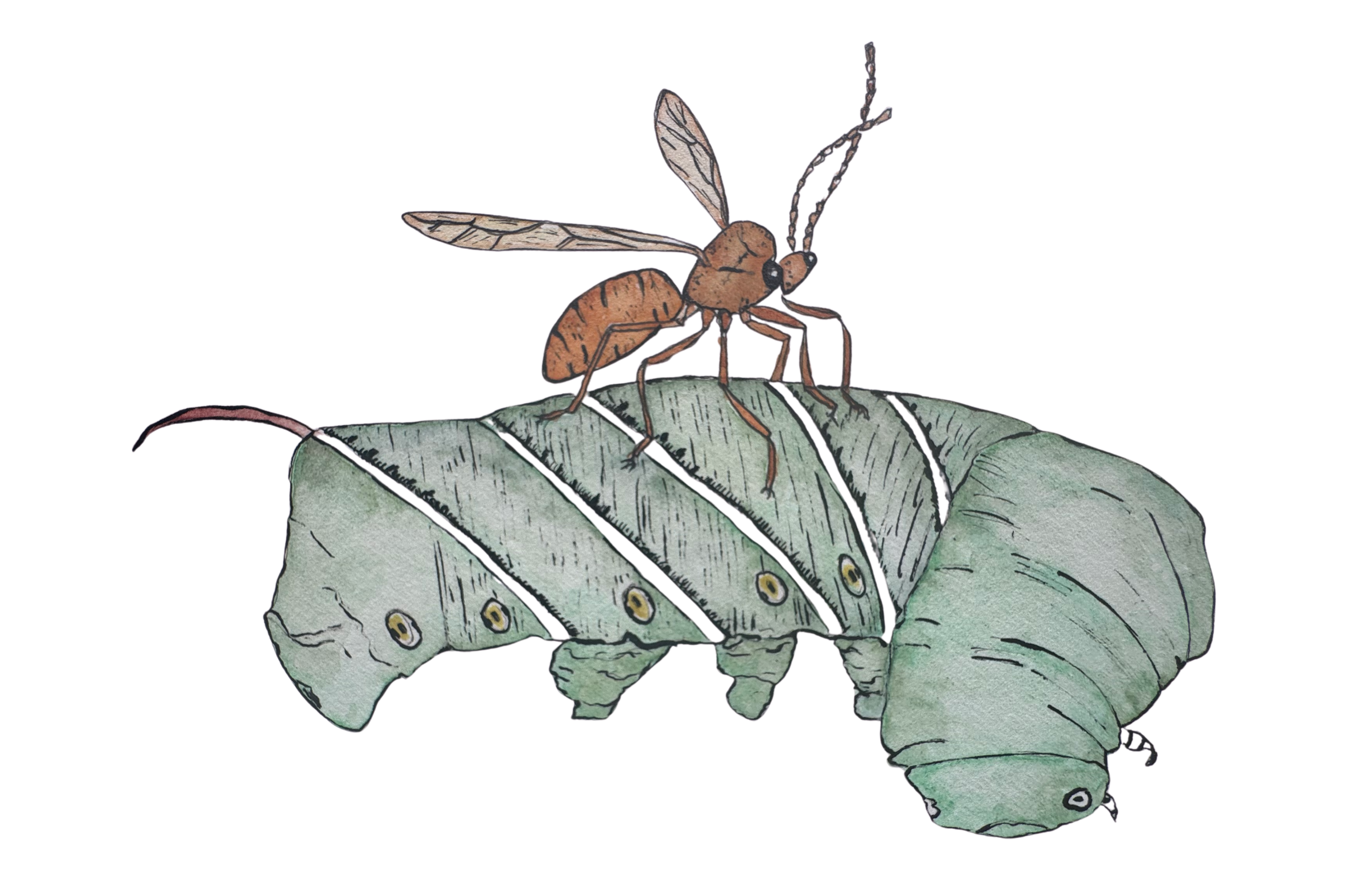
I may resort to spraying with Bt, a fairly harmless and organic approved spray (harmless for all but caterpillars of course) on select plants. Tilling can reduce pupa in the soil by about 90%, but tilling has its own issues for soil health too.

Like I said, it’s complicated. But beautiful.
eventually we all turn brown

Part 4 of a series of posts about my artist in residency experience at Oak Spring Garden Foundation.

In my ongoing experimentation with creating paints from plants on site, I have learned what most people dabbling in or perfecting this art have as well: lots of things turn brown! It makes a whole lot of sense if you stop for a second and think about it. All living beings will eventually return to the soil and turn some shade of brown. Dying plants, seed pods, fallen leaves, decaying bones and flesh….

So macerating petals and simmering leaves with the hopes to preserve vibrant hues is not in line with nature just doing her thing. The trick is figuring out if it’s possible to capture the pigments and preserve them before they turn brownish. Some will oblige, others will not. For those that will not, the fleeting glimpse of their living pigments on paper is only meant to be enjoyed for a short period of time. Or perhaps best enjoyed on the living plant.

What’s our obsession with preserving things in perpetuity anyway? Avoiding change or worse – death! Why do we allow ridiculous things like embalming bodies in formaldehyde so they don’t rot and turn brown? I wrote about death awhile ago. It’s all around us, all of the time but our culture prefers to ignore it, and be afraid of it. You and me, and everyone we love are going to die one day and turn brown (if we go the natural way of things and avoid formaldehyde and cremation). I’m not being morbid, or pessimistic, or dark. Quite the contrary! Accepting that we are not here forever, allows us to fully embrace and love the hek out of this ephemeral life! This colorful, beautiful, ephemeral life. 

Trust me. As a cancer survivor, every precious day is more vibrant because of death.

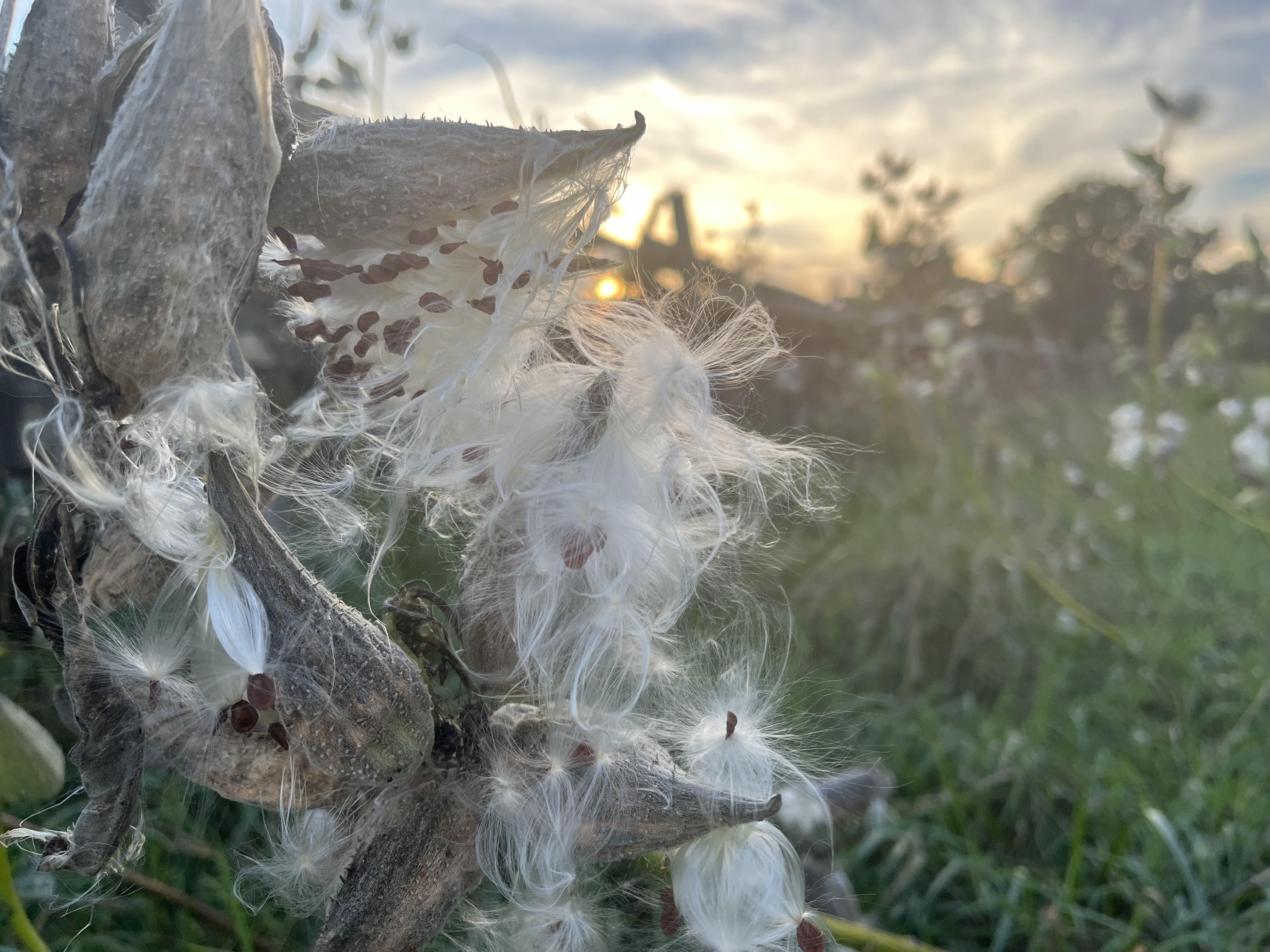
In my early disappointment at watching vibrant green or yellows turn brown, I looked around me and realized – it’s just fine! Plenty of pretty beings living or dead are some shade, or many shades of brown. The Polyphemus moth, and actually most moths and many butterflies, rabbits, coyotes, milkweed and thistle seed pods, spiders a plenty, lots of birds fully brown or with brown bellies or throats, falling leaves, grasses going to seed…. So I embraced the browns and the shades of them I was getting. 

Anyhow, back to plant pigments! 

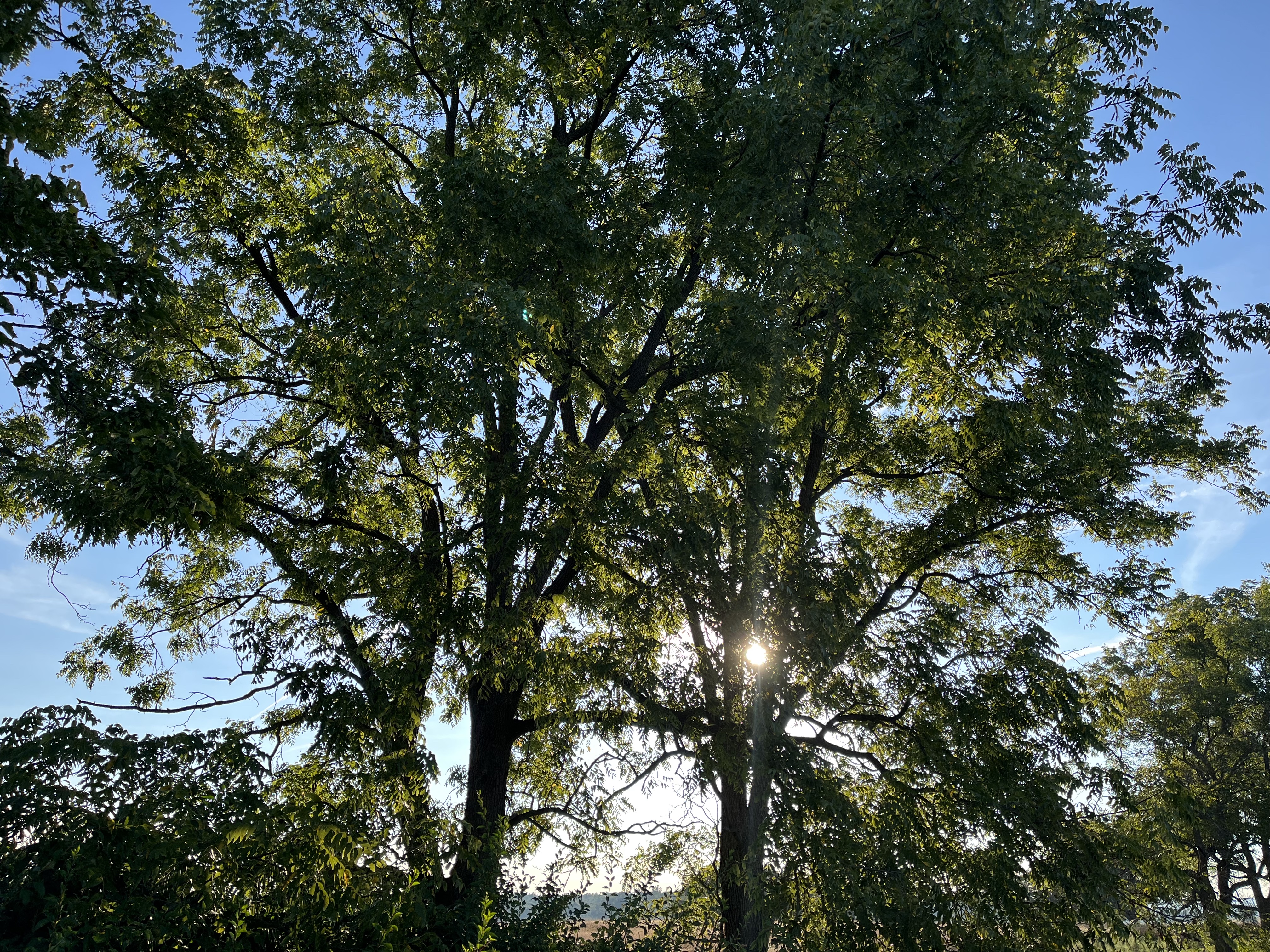
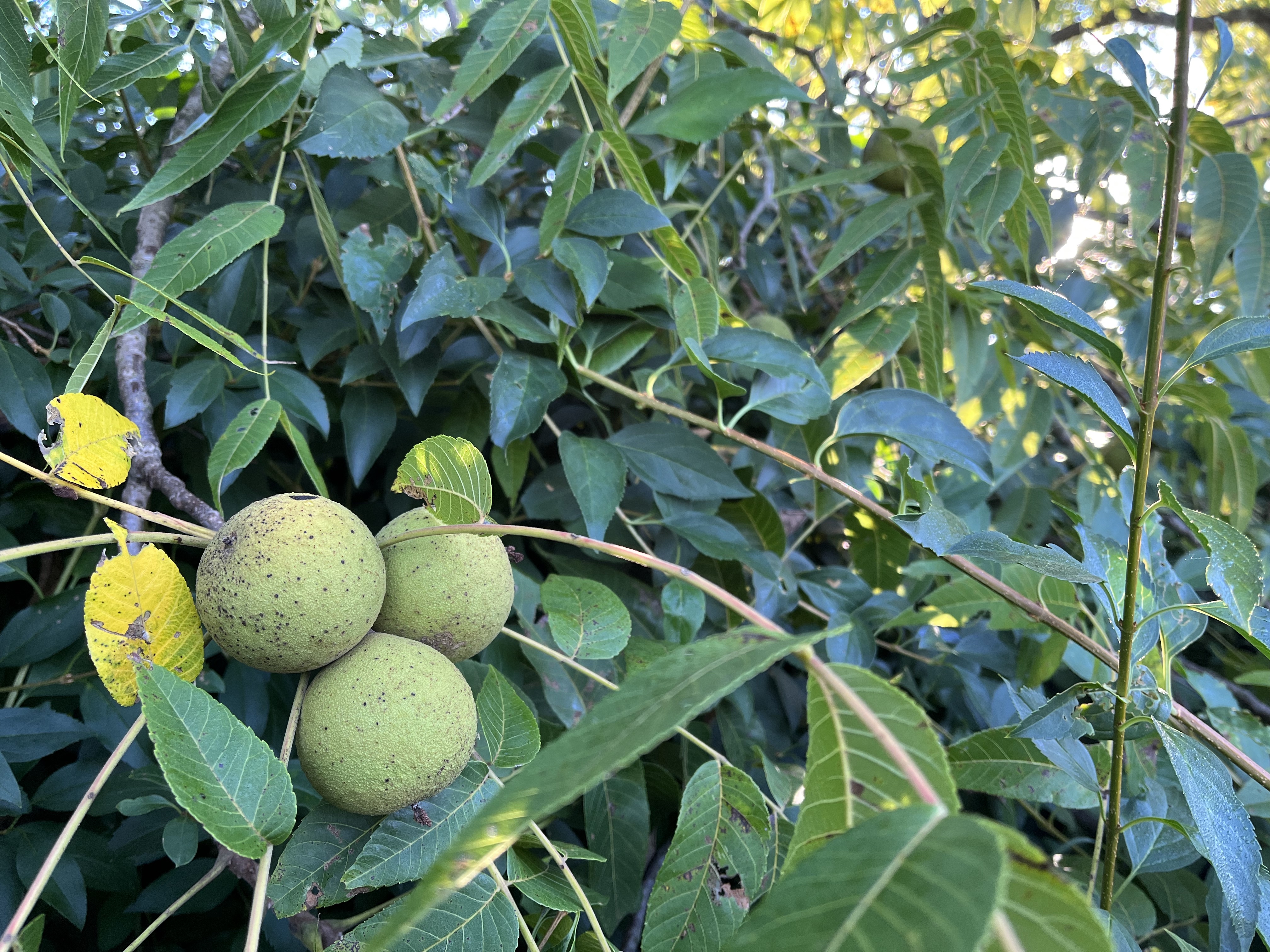
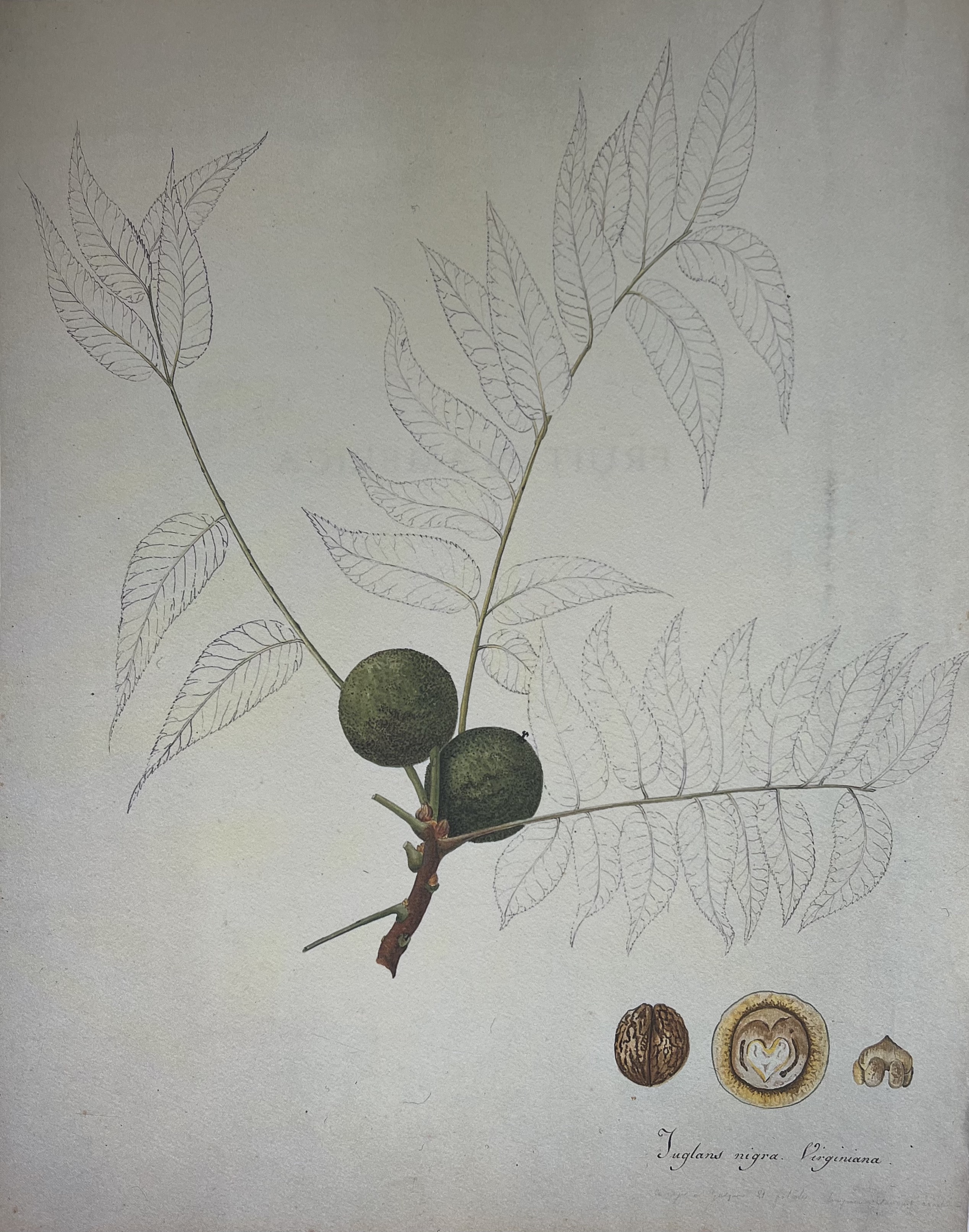
One that particularly made me happy was the Eastern Black Walnut. A common complaint is that the fallen fruits stain things when they drop. PAINT! In the same way I always spot SEEDS! whenever I’m out and about, I am now looking and wondering….PAINT?! One of our cohort mates here Jackie, a botanist from the Dominican Republic, found a Black Walnut tree here and brought me some of the fruits to play with. 

The Eastern Black Walnut is a native tree to the Eastern US, and considered a “pioneer” species meaning they are one of the first trees to establish in disturbed areas like along roadsides, in fields, and forest edges; places that are more open. They don’t thrive in forests with other trees and lots of shade. They must spread out in full sun to live their best life. They secrete a chemical into the soil called juglone which repels some species of plants. A partial list includes includes tomatoes, potatoes, peas, peppers, cabbage, alfalfa, serviceberry, chestnut, pine, arborvitae, apples, blueberry, blackberry, cherry, azalea, rhododendron, lilac, hydrangea, privet, and members of the heath family. But not all plants are poisoned by juglone, some will thrive and others can tolerate it. 

The tree is lovely in her own right, but of course as humans we need to know the uses for living beings to understand them or find value. So, it turns out that walnut trees makes fantastic lumber, the staining fruits are used to make dyes and inks, the nuts are edible for many wildlife and of course humans too, and the abrasive shells have many industrial uses for blasting, sanding and filtering things. 

The process of making paint from the Black Walnut fruits was simple. What I loved most is that it required nothing but time, water, and heat to prepare. 

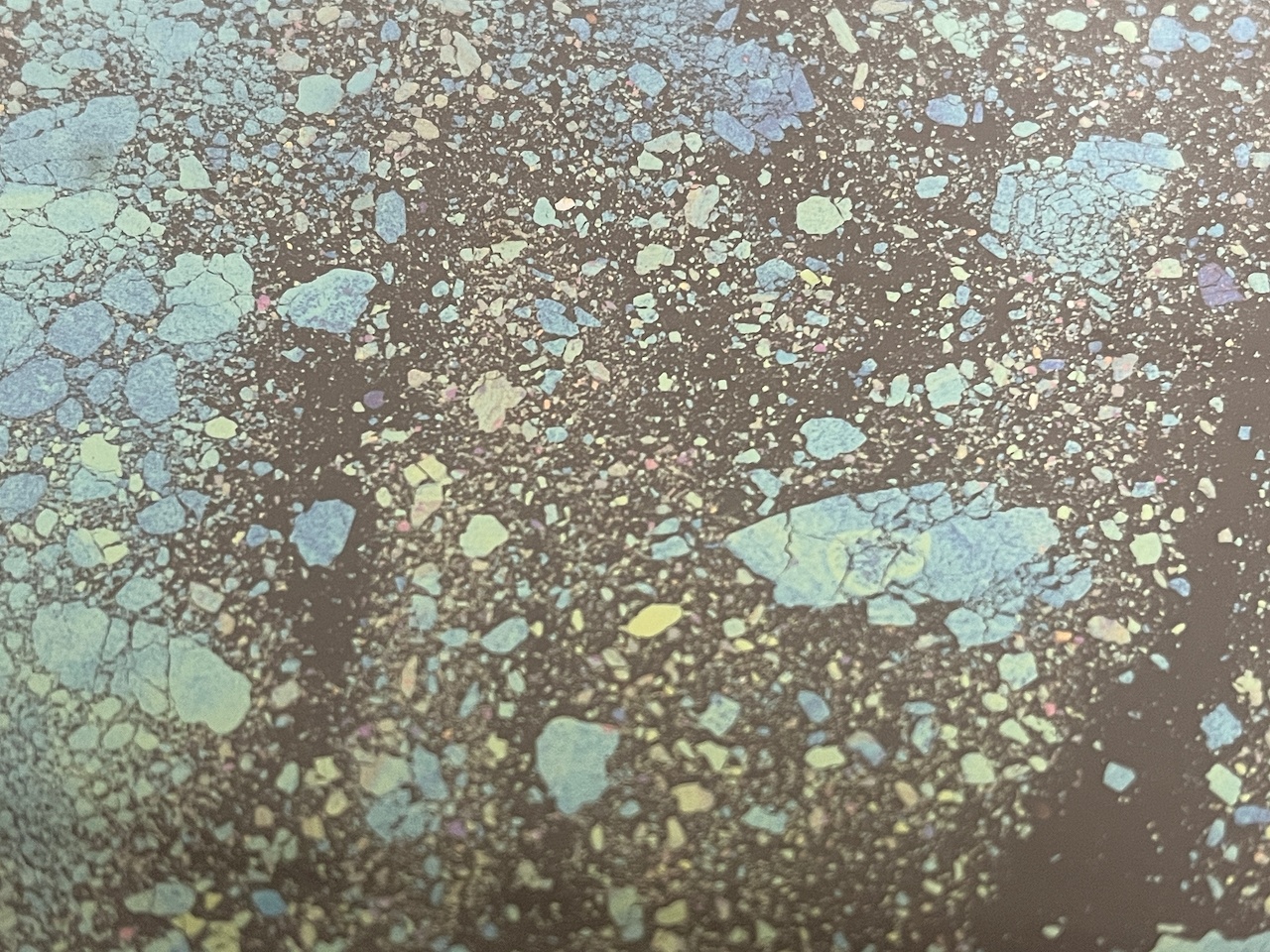
I cracked the fruits with a hammer against a hard floor, to remove the skin from the seed and shell. I broke the skin into as many pieces as possible and covered them with water. I did not wear gloves, but kind of wish I had. My hands were stained brown, fading to yellowish tan for many days. I don’t really care, but it was pretty obvious and perhaps something to consider next time! They soaked for 48 hours out in the sun while I was tinkering with other things in my studio. The water turned a lovely deep, iridescent mix of yellowish-greenish-brownish hues as the oils, pigments and tannins leached out. Then I strained out the chunks and gently simmered the solution for about 1 hour on the stove. I let it settle and tried to take a photo of the lovely design on the surface of the inky water, but only got my reflection! 

That’s it! Next up for all my paints, I will be adding a solution made of gum arabic, honey, thyme oil and glycerin that all together help bind the pigments to the paper, prevent decay, and slow the drying time of the paint. I’ll share my “recipes” later on once I’ve fiddled and had a chance to compile all my notes and color charts. 

Here are just a couple of lovely brown creatures I created. They are all using only paints I’ve made here from local plants! 

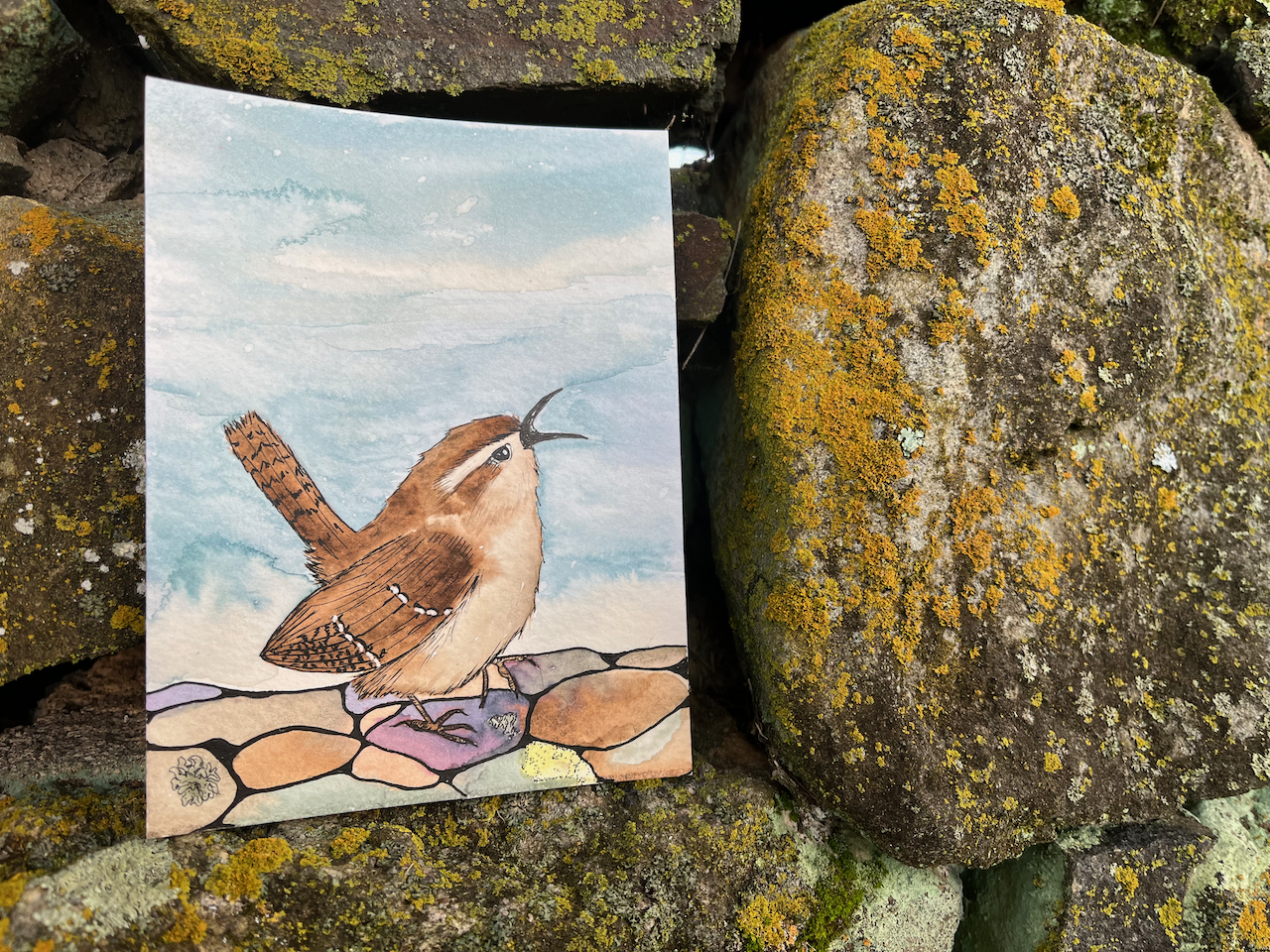
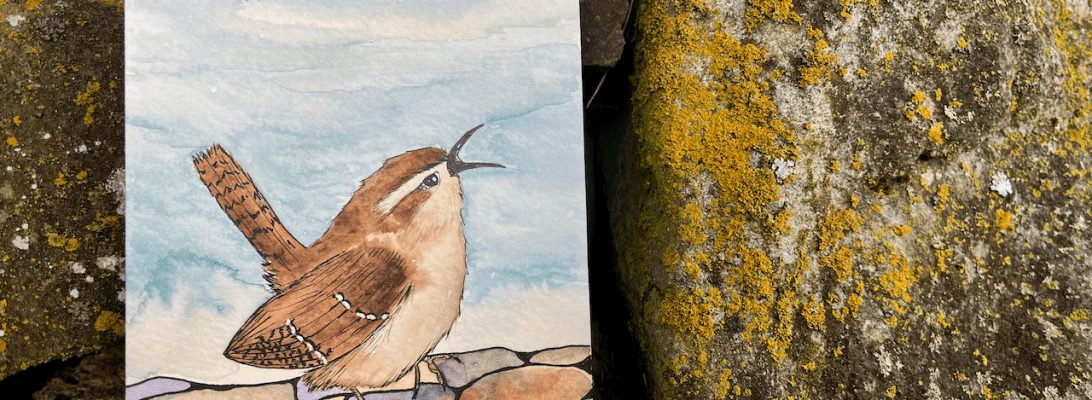
The iconic rock walls covered with lichens and mosses are familiar here, as are the familiar Carolina Wrens that belt out their tunes. Little Wren’s browns were created using Black Walnut’s Ink (the dark brown on his back), and brownish hues of Narrow-leaf plantain and yellow onion skins mixed to make his brownish belly. The rocks that are brown are various invasive plants from around here that I acquired during a workshop I attended.
Polyphemus moth. Those antennae get me every time! Various shades of brown used include pink onion skins, plantain leaf and Black Walnut fruits. The mossy inspired background is a wash of orange marigold with splashes of beets, yellow onion skins and butterfly pea.

taming the feral everglades currant tomato

A few years ago after the culmination of several inspiring events and ideas, I decided it would be fun to try taming the wild and beloved Everglades currant tomato. It’s a prolific plant in our sub tropical climate that otherwise mocks and torments other tomatoes and their attempts to make it here. But there are a few issues with these tiny maters I’ll explain later. Let’s just say that farmers would never grow them, and gardeners with small spaces would probably regret it!

Tasty but tiny and need picking daily, prone to cracking.

I met Craig LeHoullier, a self-taught plant breeder, tomato lover, author, and gardener at the annual Seed Savers Exchange Conference and Campout several years ago. His love for tomatoes and creating new varieties was infectious, and I caught the bug! Then a couple of years later, I went on a road trip to visit his driveway tomato lab in Raleigh, NC. I took my friend Tim, an aspiring plant breeder and tomato lover because they had to meet and become friends. I listened to them blabber on excitedly about things I didn’t understand as we rocked in our chairs on Craig’s amazing back porch, overlooking his garden and bird feeders.

Tim (left) and Craig in the driveway tomato lab in Raleigh, NC.

I had an aha moment, when I realized that this kind of work doesn’t require one to have a degree or any experience with plant breeding at all to try it! Craig learned how to do this on his own with an unrelated professional background in pharmaceuticals. And he did it in his driveway. In pots. While facilitating with others across the globe, the creation of so many new varieties that you can now buy online in many seed catalogs (check out the Dwarf Tomato Breeding Project). Tim taught himself as well, and so has nearly every human in previous generations that grew food and saved seeds. Which was most people, because we didn’t have the luxury not to procure our own sustenance.

Inspired but not quite ready, I just let that planted seed rest. A few years later at the Organic Seed Growers Conference put on by Organic Seed Alliance in early 2020, I then caught the “landrace plant breeding” bug from Joseph Lofthouse. Joseph is a Utah farmer who turned modern plant breeding standards upside down by advocating for highly promiscuous plants and strategies to encourage lots of genetic diversity and resilience. His crops and seeds are beautiful. He just wrote a book about it, and a signed copy is on it’s way to my house now! I can’t wait!!
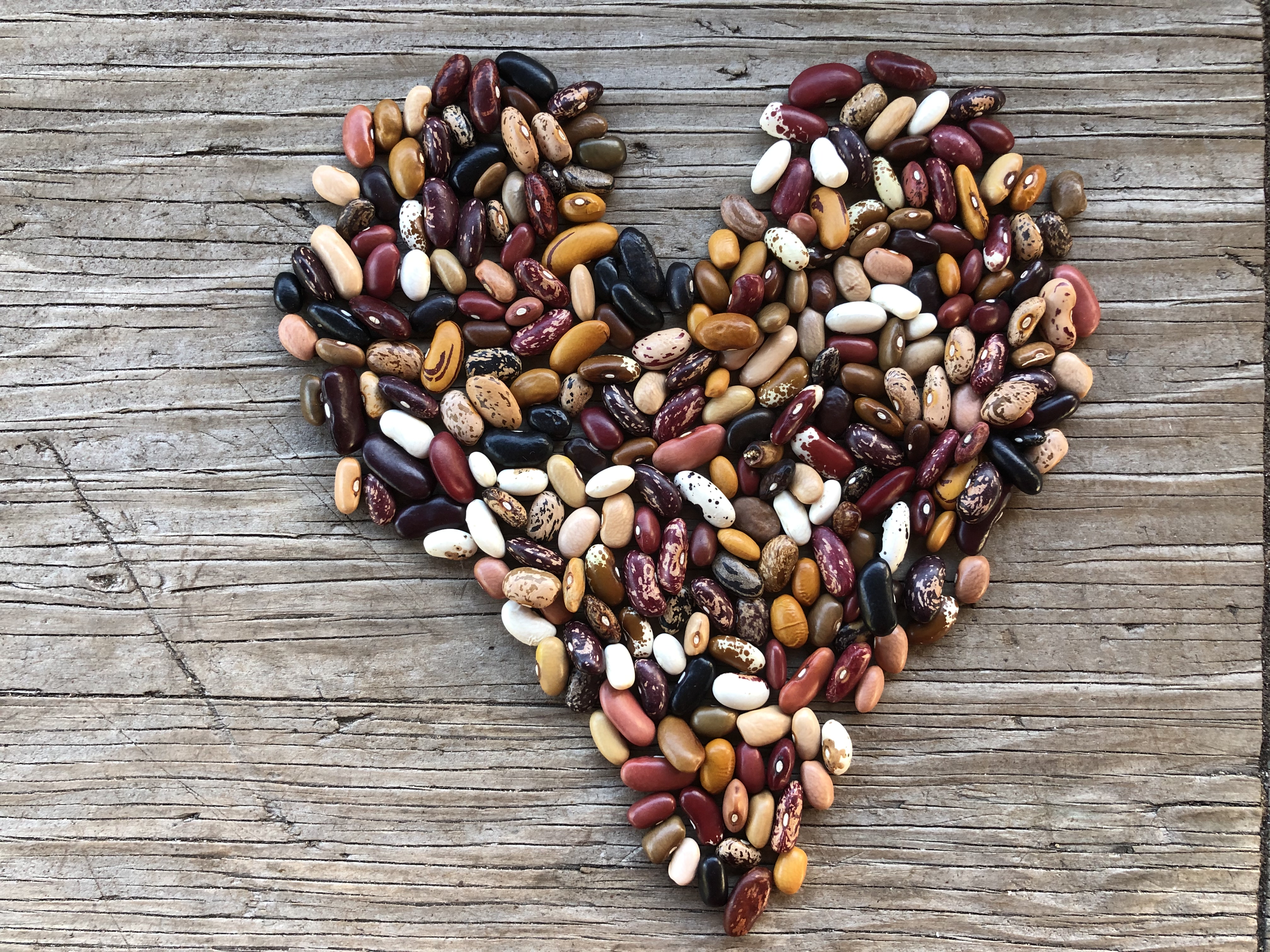
The Lofthouse Landrace Bush Bean “variety”. Note: not uniform.

Many years ago as a new grower and seed saver, I had fallen in love with the Everglades currant tomato. It’s a different species (Solanum pimpinellifolium) than your regular garden tomato (Solanum lycopersicum). Supposedly naturalized in South Florida, this feral plant is spread by birds. I have seen it with my own eyes, the red birds feast on them and poop them out in my yard! I don’t have to plant them anymore.They are tasty and abundant little flavor packed little fruits, and certainly the most resilient tomato I had ever grown.

The cardinals in our backyard are comfortable enough with me to let me watch their babies grow up. I can’t be sure, but I’m pretty sure they are fed a diet partially including Everglades currant tomatoes.

When you have success as a gardener, it makes you feel pretty good. I like saving seeds from successful feel-good plants and sharing them with others so they may feel good too, and have food to eat and share.

But. She is too wild and takes up lots of space, fruits are arguably too small even though they make up for it in flavor. Halp! I want the flavor and resilience in our climate but a more tame plant with larger fruit.

Call in my friend Craig! He hand-pollinated a Florida Everglades Tomato with a dwarf variety Tanuda Red and ta-da!!! A breeding project begins!

So we are now as they say in the industry…in the F4 phase. That is the fourth generation of saved seeds from the original cross, are in the ground growing now. The season is nearly over and we are narrowing down our selection to move forward. Each week Sarah and I ranked each of 46 plants we could cram into our seed saving gardens at Grow Hub. We ranked them on overall vigor, health, disease resistance, sprawl, and of course- flavor!

Rookie mistake: we planted them too close. I *thought* since they should be “dwarfier” that we could get away with 3′ spacing like a regular tomato and still have plenty of room to see each individual plant. WRONG!!! It was a jungle and we had issues. Next year, 4 or 5′ (mostly because we are evaluating and need to see) and every other row! Plus it was a bad/good year depending how you look at, for venomous moccasins that we found TWICE in the tomato patch.

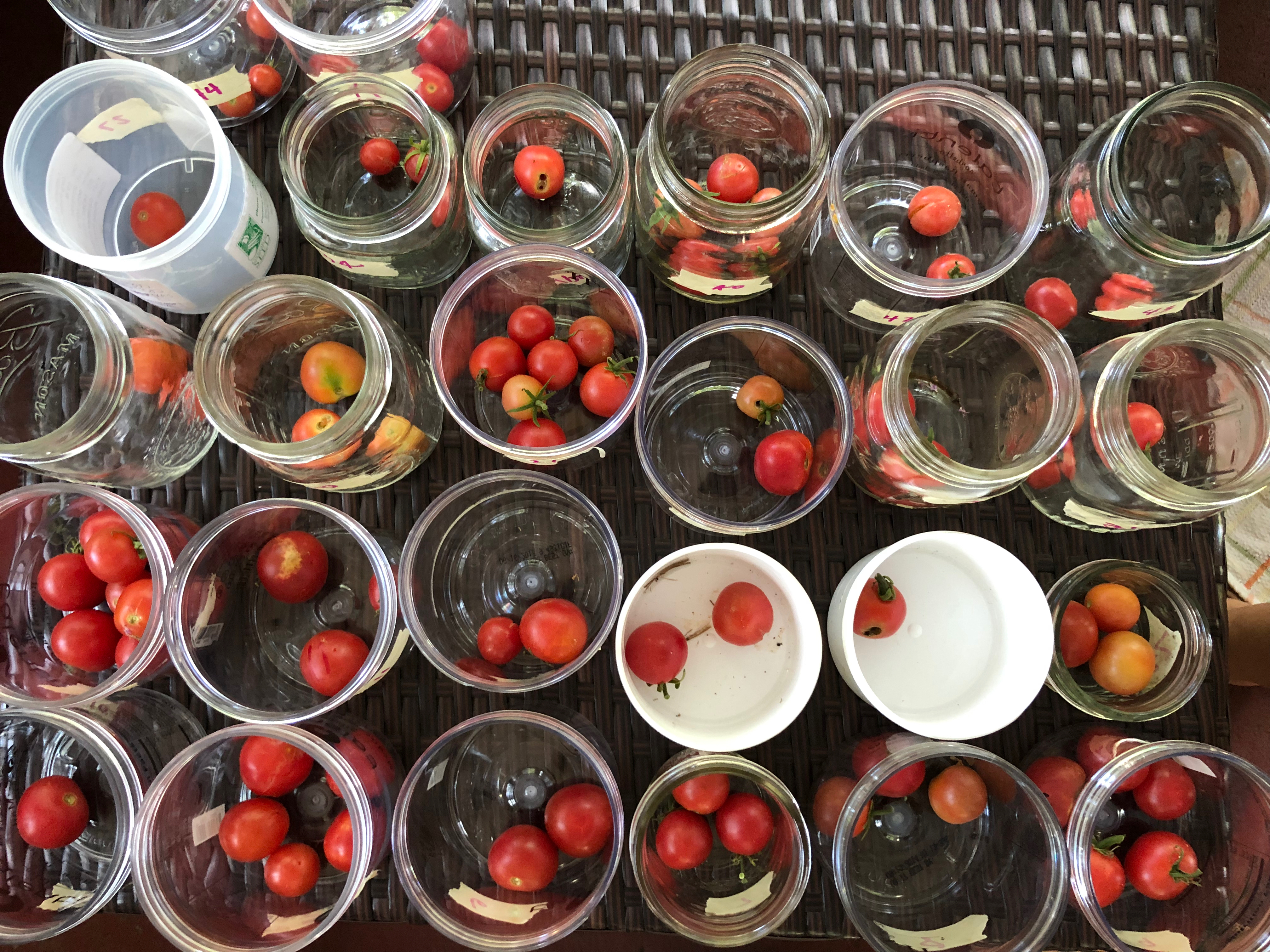
We farmed the tasting part out to many of our Working Food friends and followers. Flavor is subjective and if it were just up to me to rate them, we’d be in trouble. One person’s spit-yuck pile, is another’s #1, so we had a lot of people provide input. We are winnowing down our selection based on overall plant vigor and community input on flavor.

46 plants (all from ONE plant’s seeds saved earlier (plant # 16) in total, each of which was kept separate so we could save seeds, admire the fruits and take notes, and taste them. It was ALOT. OF. WORK. I am so grateful for Sarah and Jenna helping keep all these sorted and organized.

We had a lot of plants that couldn’t hide their mother’s feral tendencies. While the fruits were much larger (think regular to very large cherry size), the plants were still a bit much! A few were true dwarfs. So we’ll narrow it down soon, and get excited for next season, F5. The fifth generation.

It takes about 8 generations to get a stable new variety. So we are getting closer! Soon we hope to release an open-source seed for you to enjoy! Grow it, save your own seeds, make your own new varieties. We’ll never hold any patents or power over seeds, they are a common good for everyone.

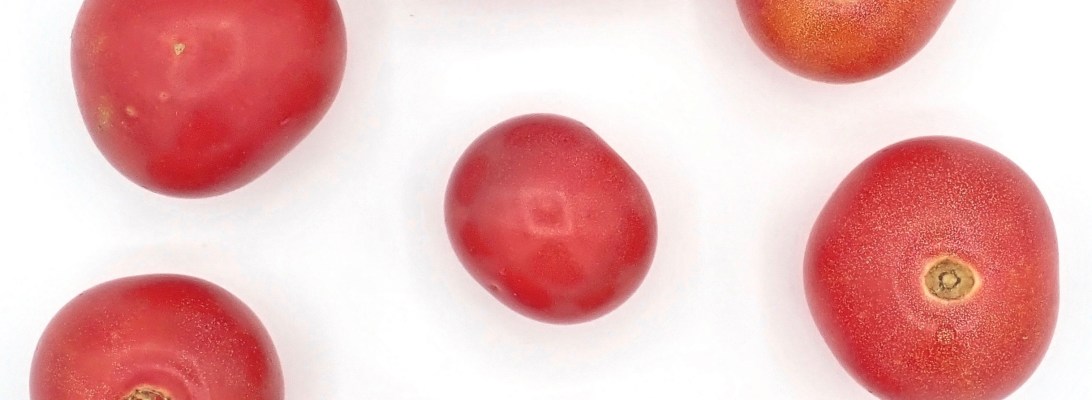
One of our tasters and friends Wendy, also takes these glorious photos of plants. These are a few different fruits. Hard to tell the scale, but they are much larger fruits than the Everglades.

a few of my favorite things

I’ve always been fascinated by the beauty and diversity of nature. Fairly frequently, she amazes me with outright weirdness, bizarre forms, gooey structures, foul smells, stunning beauty, and unexpected features.

I’ve been spending a lot of time in my garden lately, and walking Huxley in the woods. There has been plenty to observe and admire, immersed in these two places that are teeming with things I can’t look away from!

So these past few weeks, here have been a few of my favorite things!

img_6174
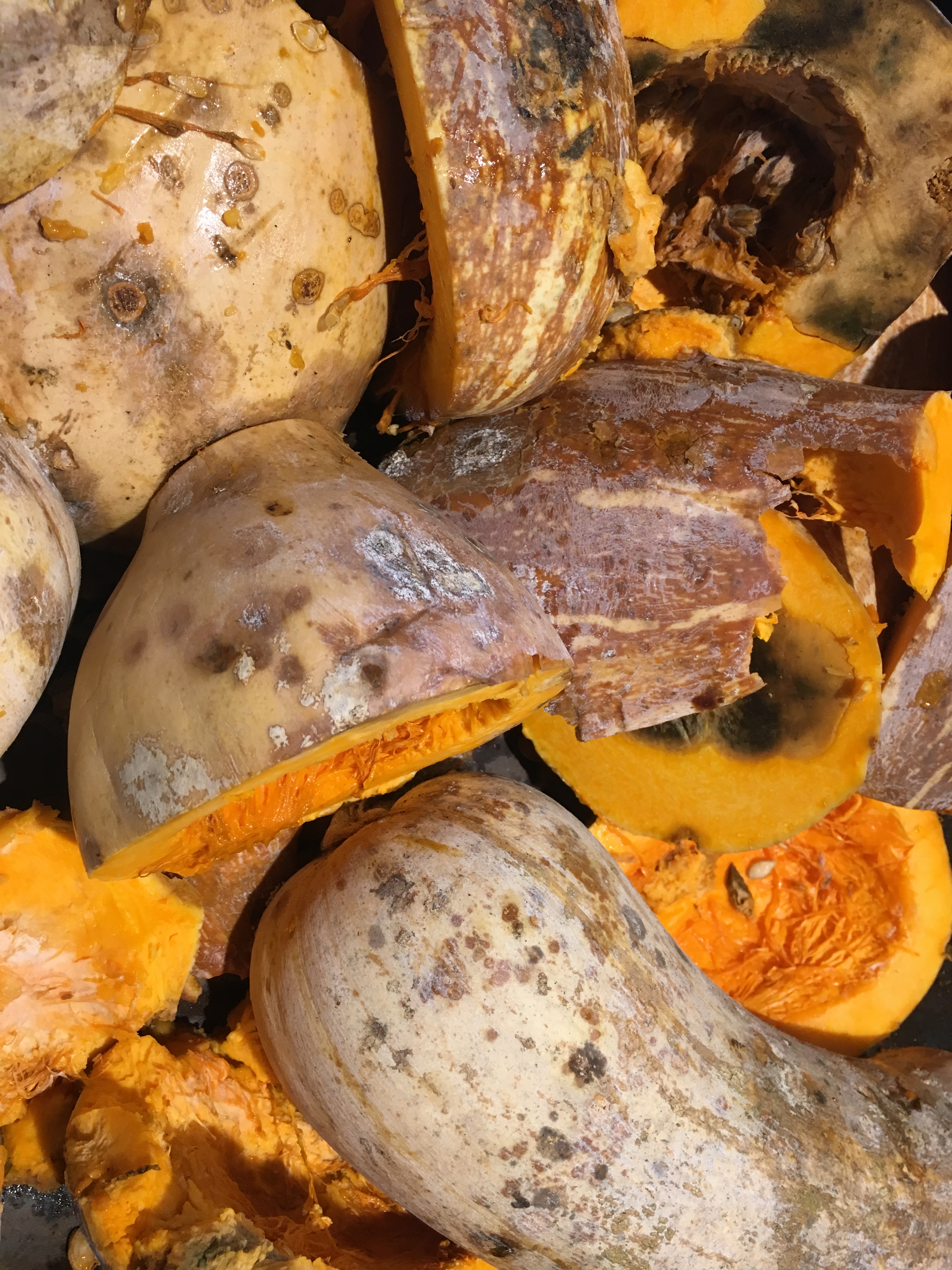
Stinking, rotting calabaza squash being harvested for seed. The massive fruits are impressive, as is the smell and feel of some of them that have gone foul. I love the patterns they decay forms on the skins. 

img_6081
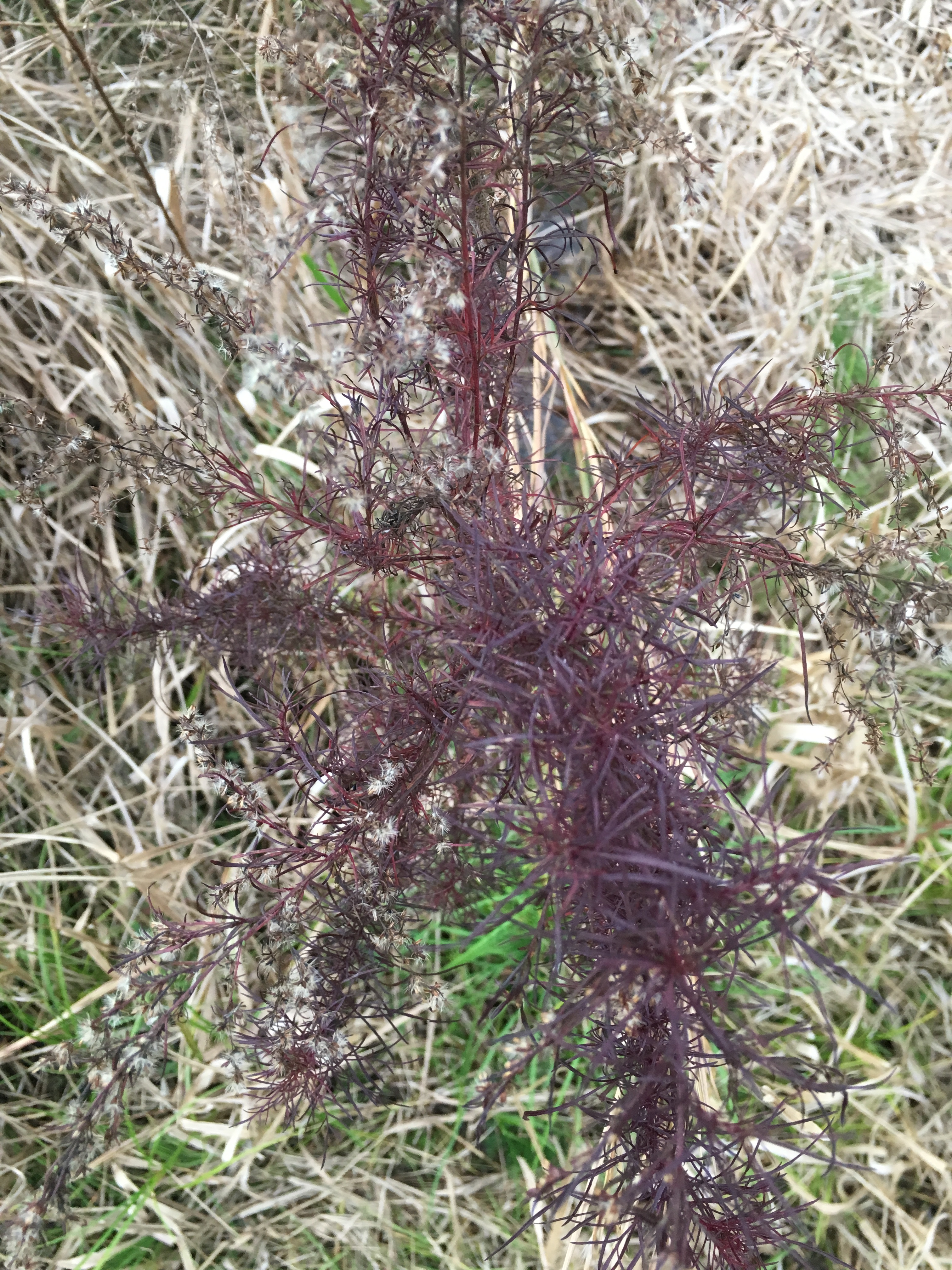
Maroon-colored dog fennel in the woods. Never seen it before. It’s not due to cold or anything obvious, all surrounding dog fennel is green as usual. Gorgeous!

img_6331
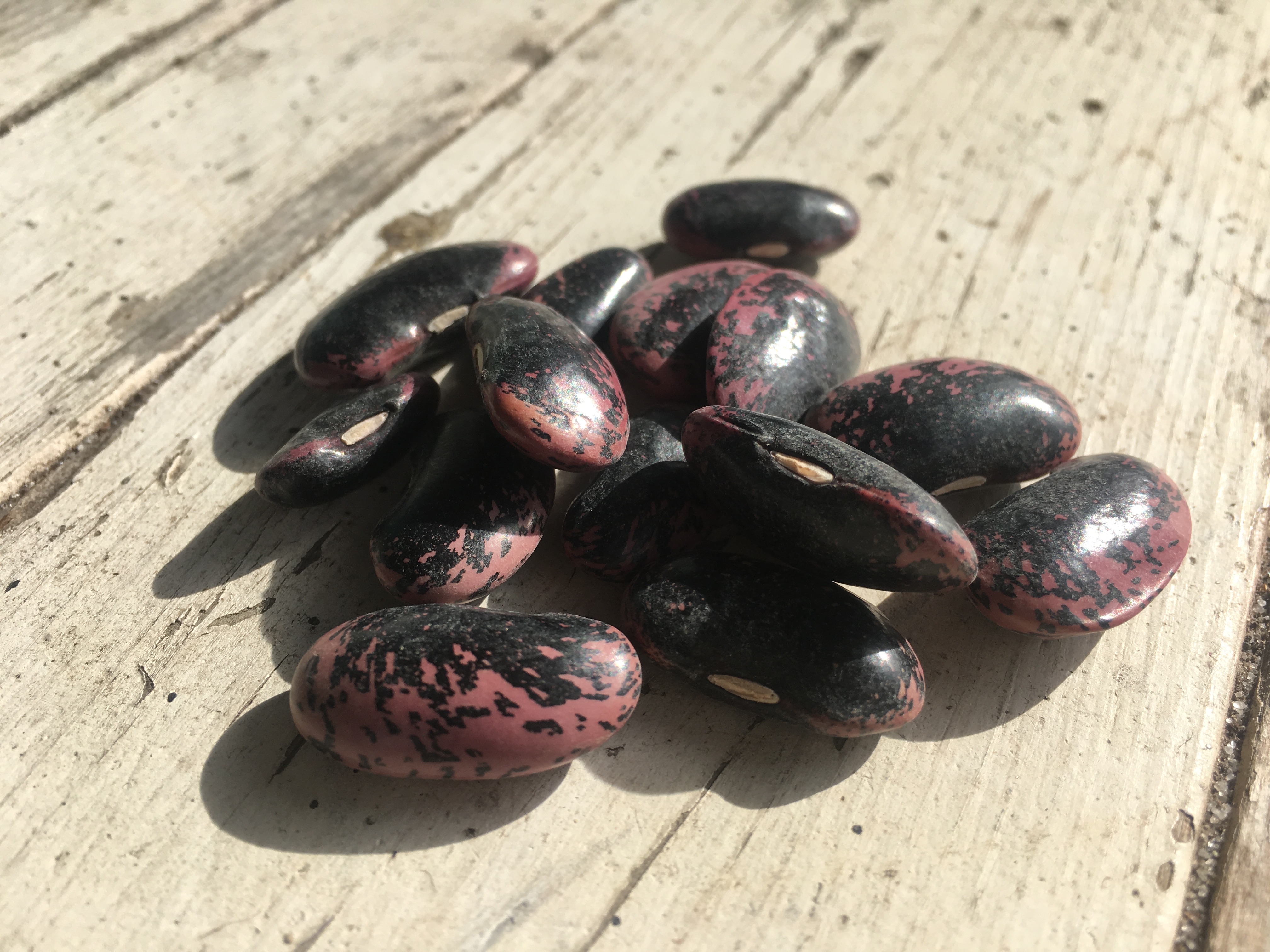
Beautiful purple and black bean seeds, I can’t wait to grow these Scarlet Runner Beans! They are like magic beans. This large seed will grow into a gorgeous plant, prolific with red flowers that pollinators love, and the pods are edible too. 

img_5913
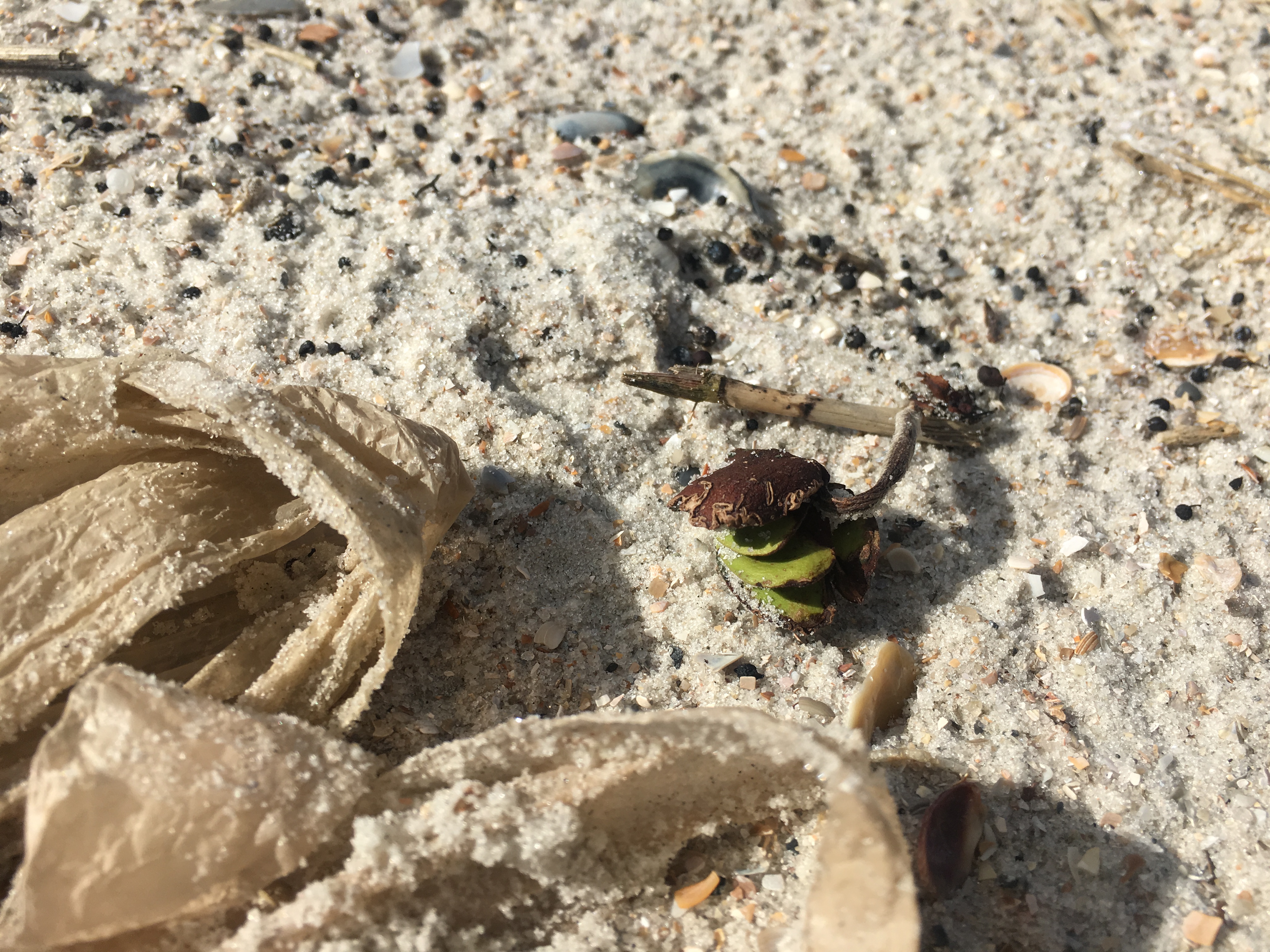
Amazing adaptation to a tough environment, as a little seedling on the salty beach sand, makes a go for it, nestled among plastic waste.

img_6014
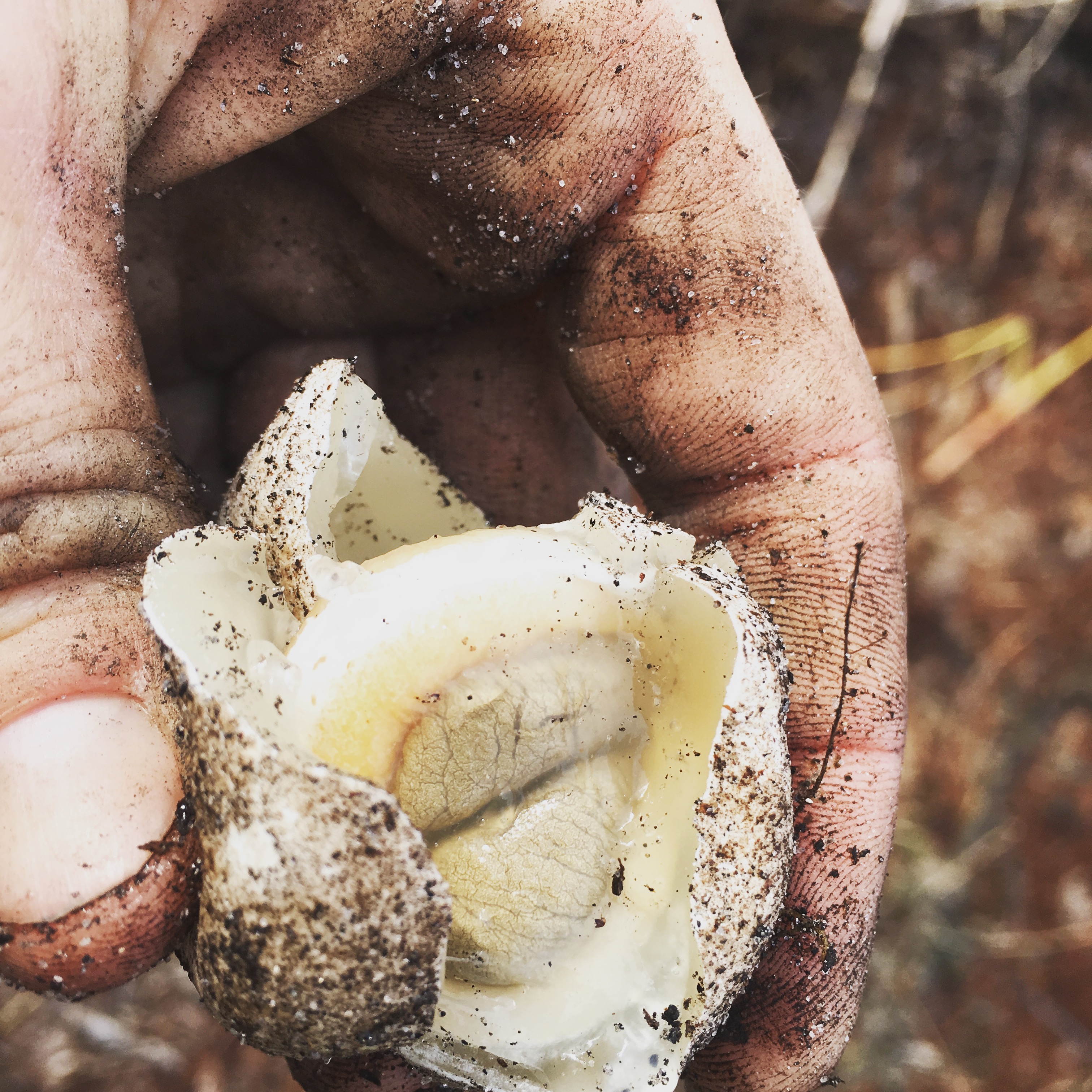
The underground (supposedly edible) precursor to the stinky, putrid stinkhorn fungus that has been prevalent this winter with all the rain. Inside, it is like a brain, with two hemispheres, vein or neuron-like patterning, and a gelatinous sac.

img_6134
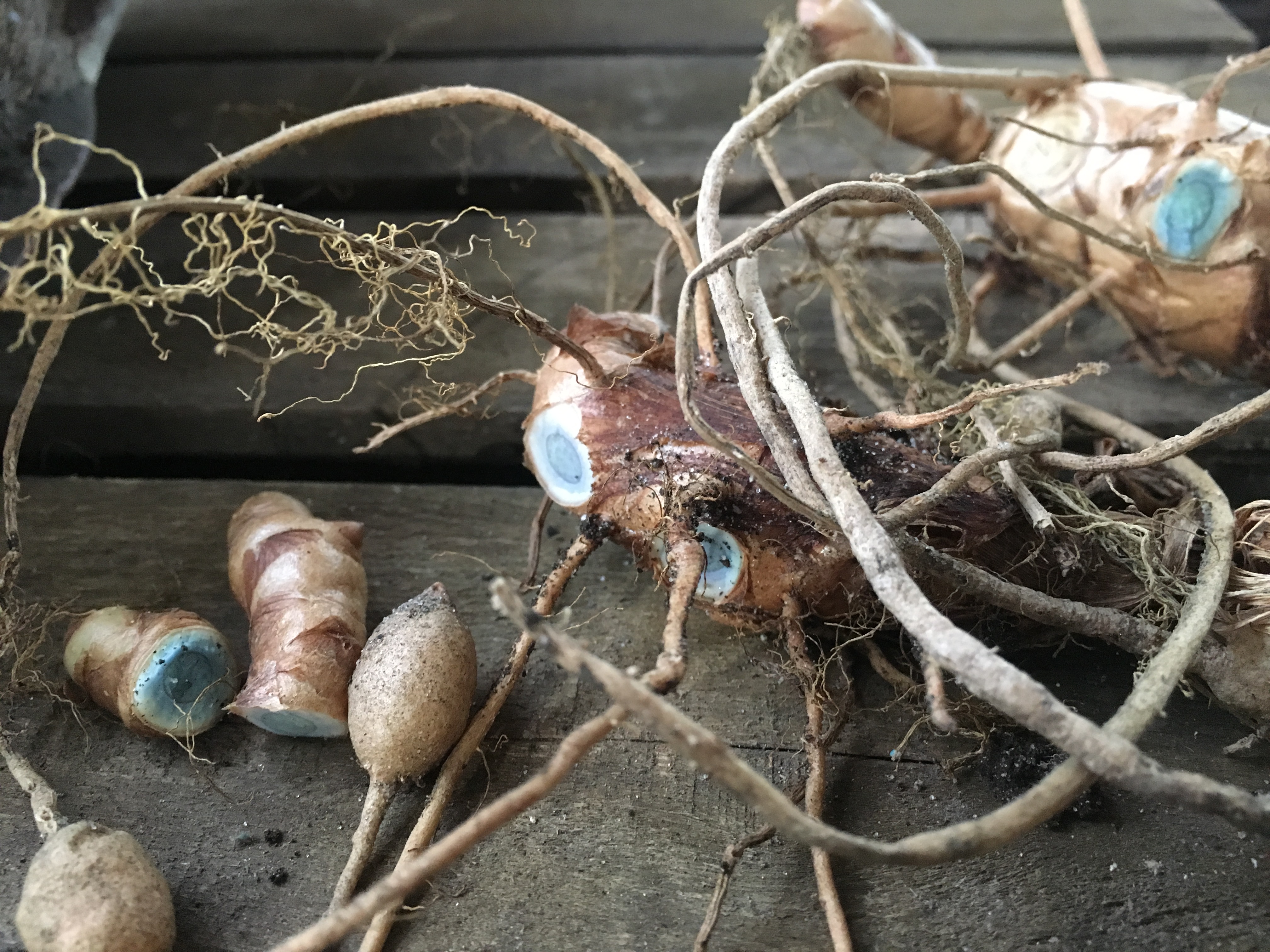
Blue-colored turmeric! A very rare thing, and one of my new favorites. I’ve been learning about it through osmosis lately, since the photos I posted on Facebook have triggered a lot of interest and conversation. Apparently it’s endangered and very rare, its super duper medicinal. 

img_6156
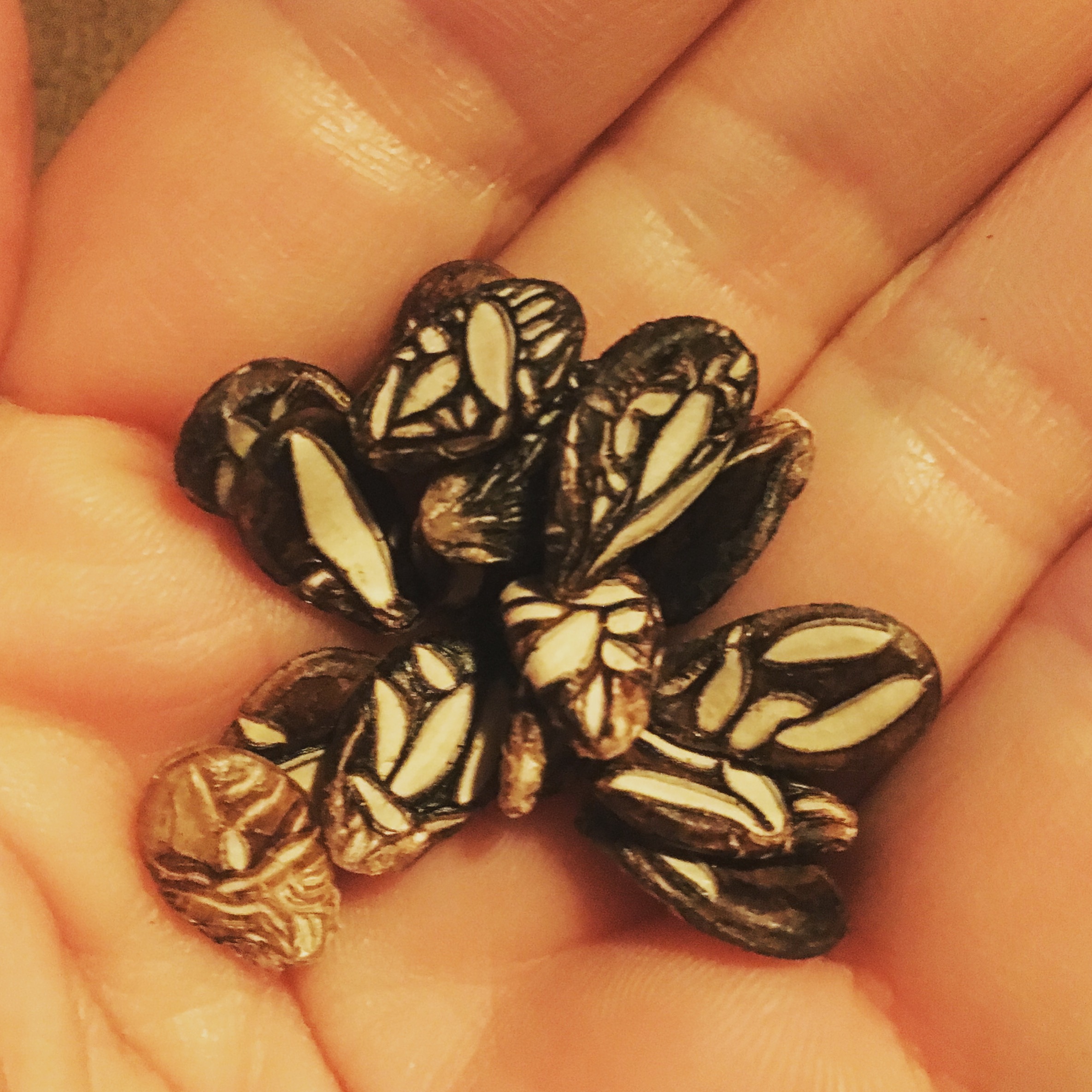
Gorgeous patterned watermelon seeds, from Mehmet. A Turkish heirloom variety called Cekirdegi Oyali, which means crocheted seed. When the seeds dry, they form these unique patterns. Can’t wait to grow this in the spring!

img_5750
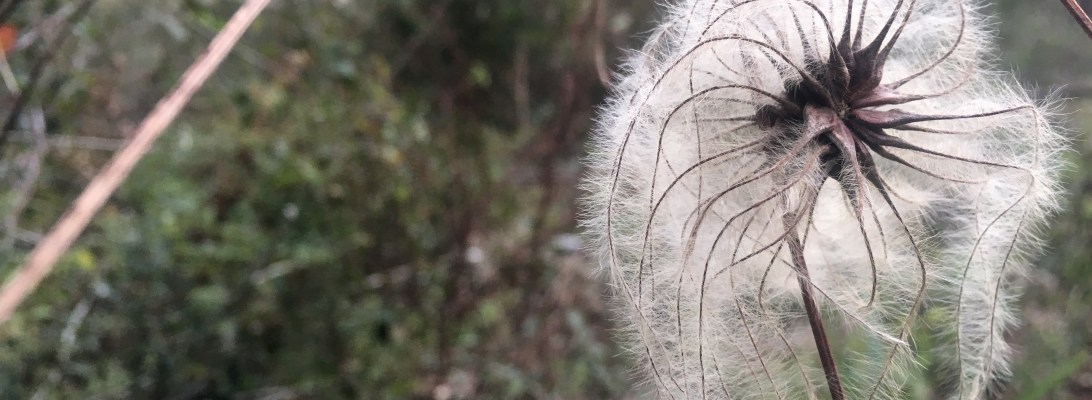
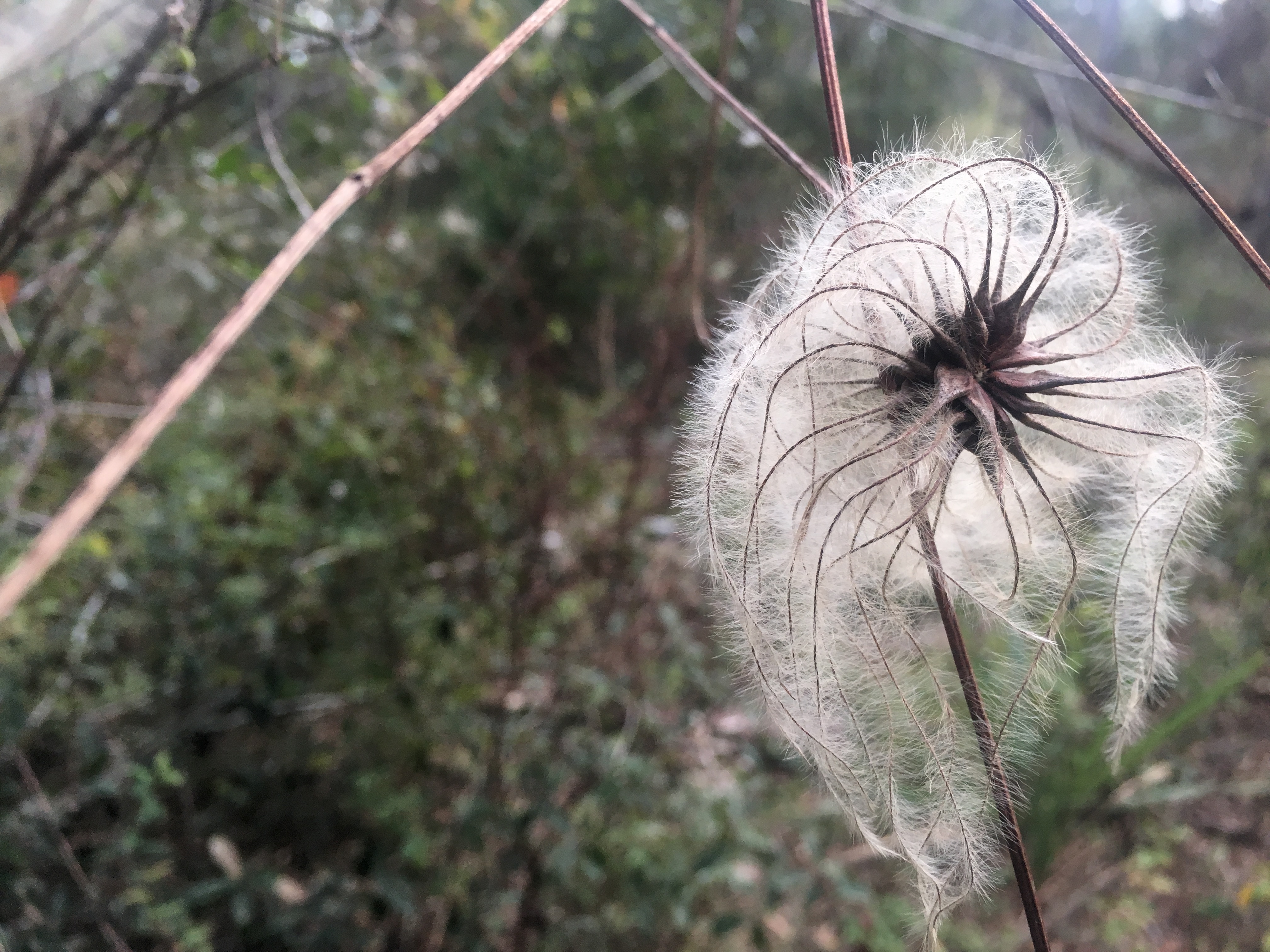
This native clematis grows wild, and it’s seed heads are peculiar and wonderful. They remind me of something depicted in a Dr. Seuss book.
img_5620
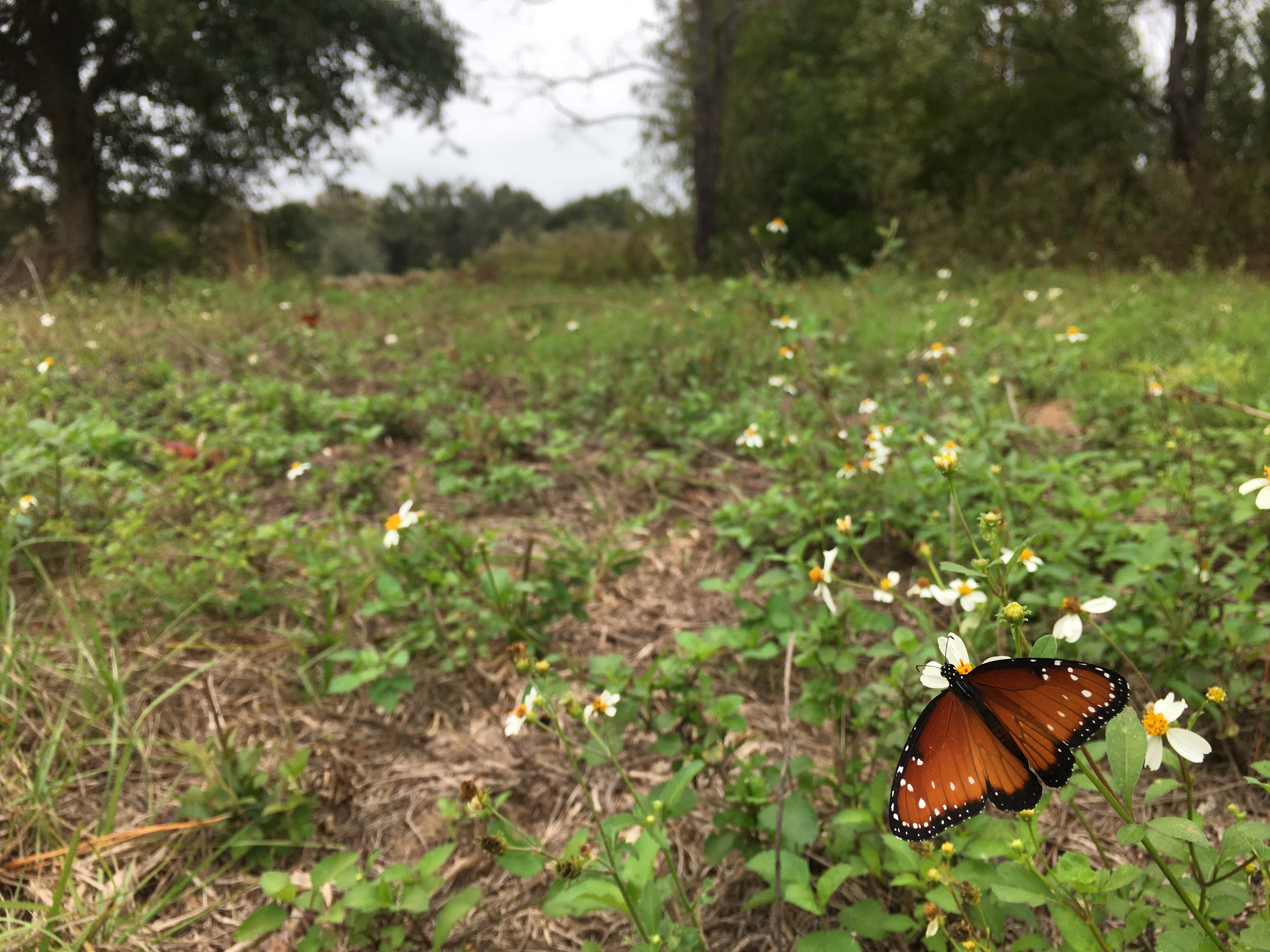
This field was fully of “weedy” Bidens alba, and a whole lot of Queen butterflies. This photo could’t capture it, there were lots of butterflies! There is a lot of value in these scrappy looking pieces of land, I wish more people would leave them be. 

fullsizeoutput_1c6a
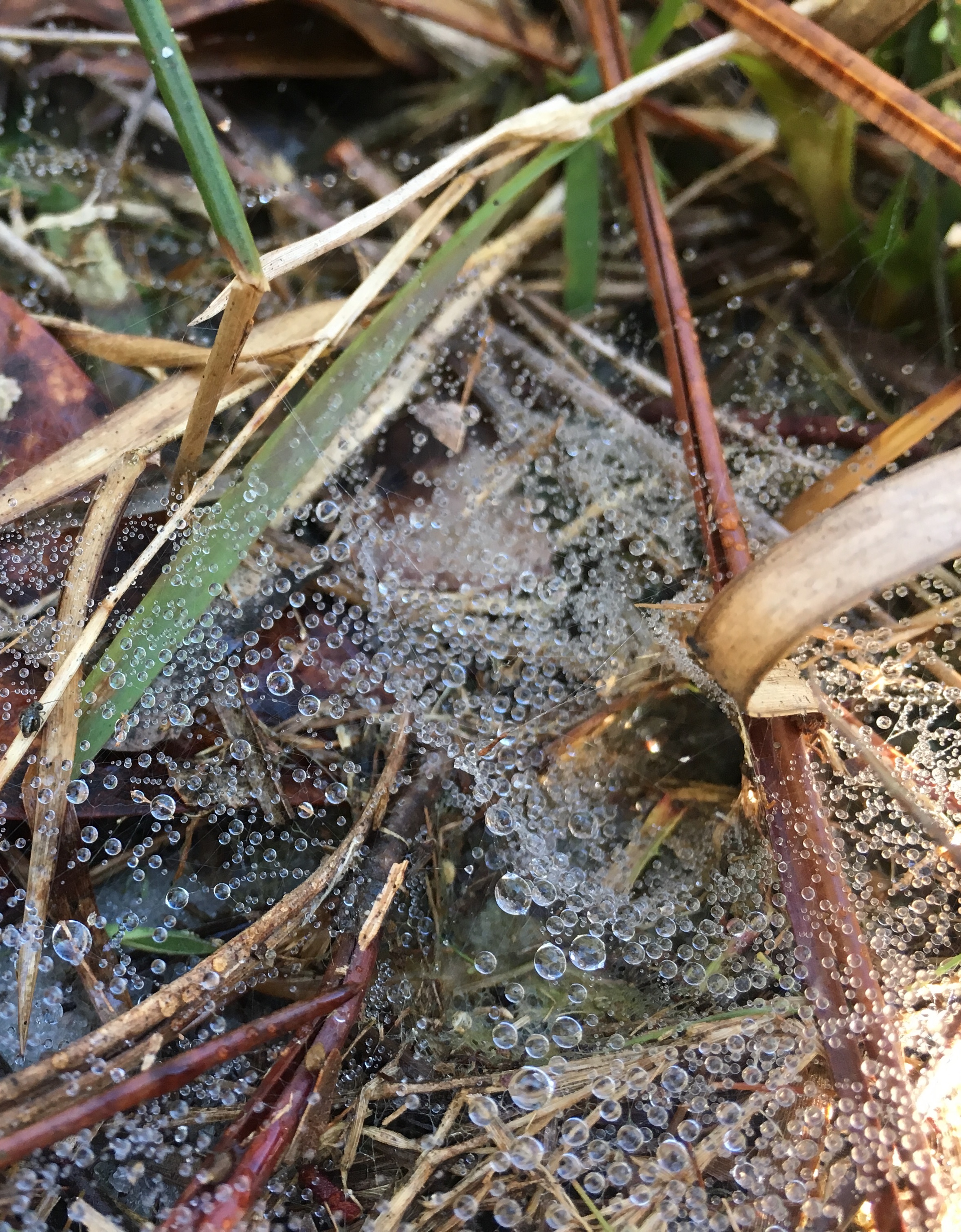
Wouldn’t want to be an insect that stumbled over this trapdoor spider (hunkering down in the hole in the upper right). All the rain we’ve had, accumulated like delicate glass beads on her elaborate trap.

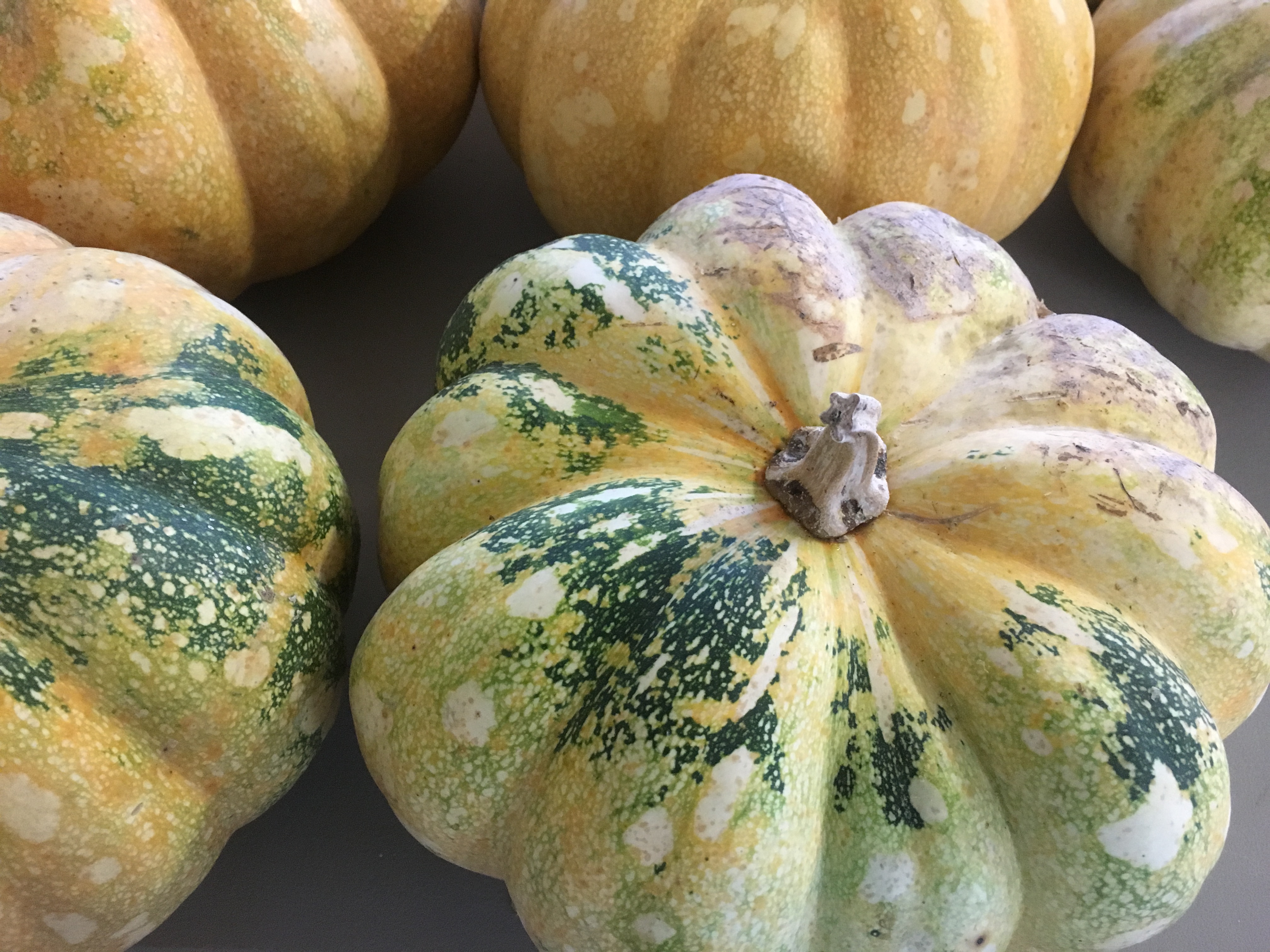
I’m so in love with this Seminole Pumpkin. It was my gateway drug to gardening and seed saving. This year’s crop was so lovely and diverse!! Look at the shape of this beauty, and the speckling.

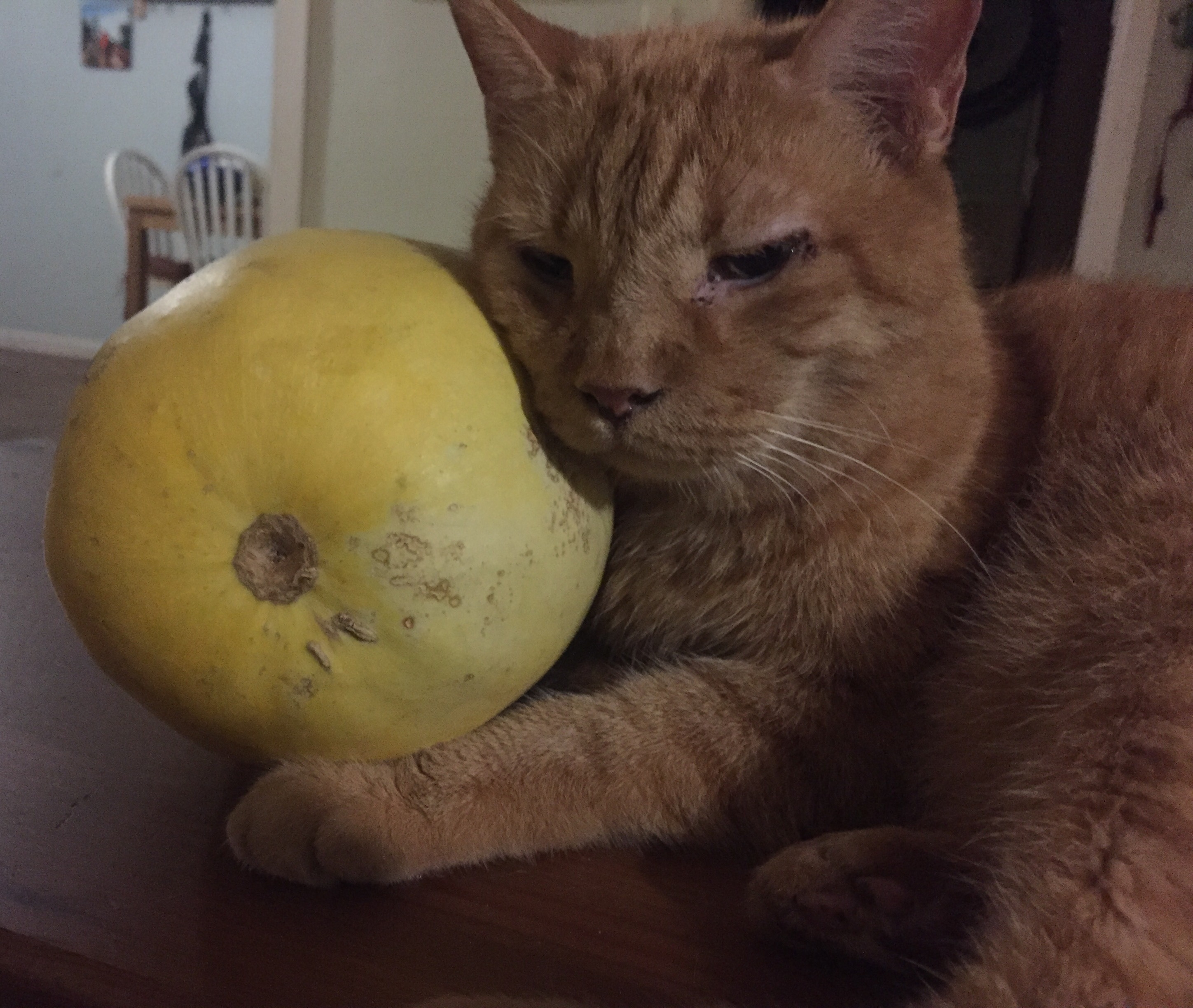
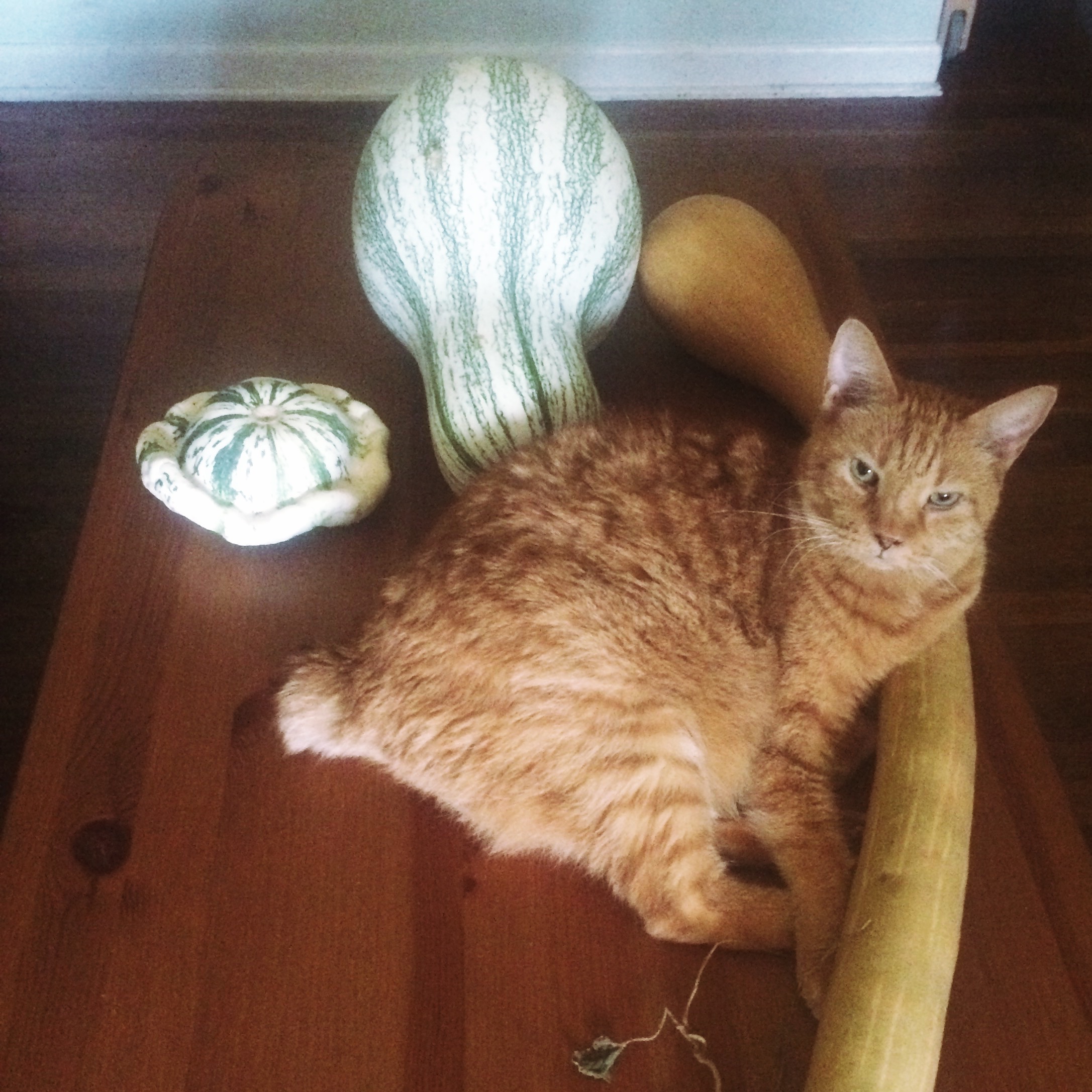
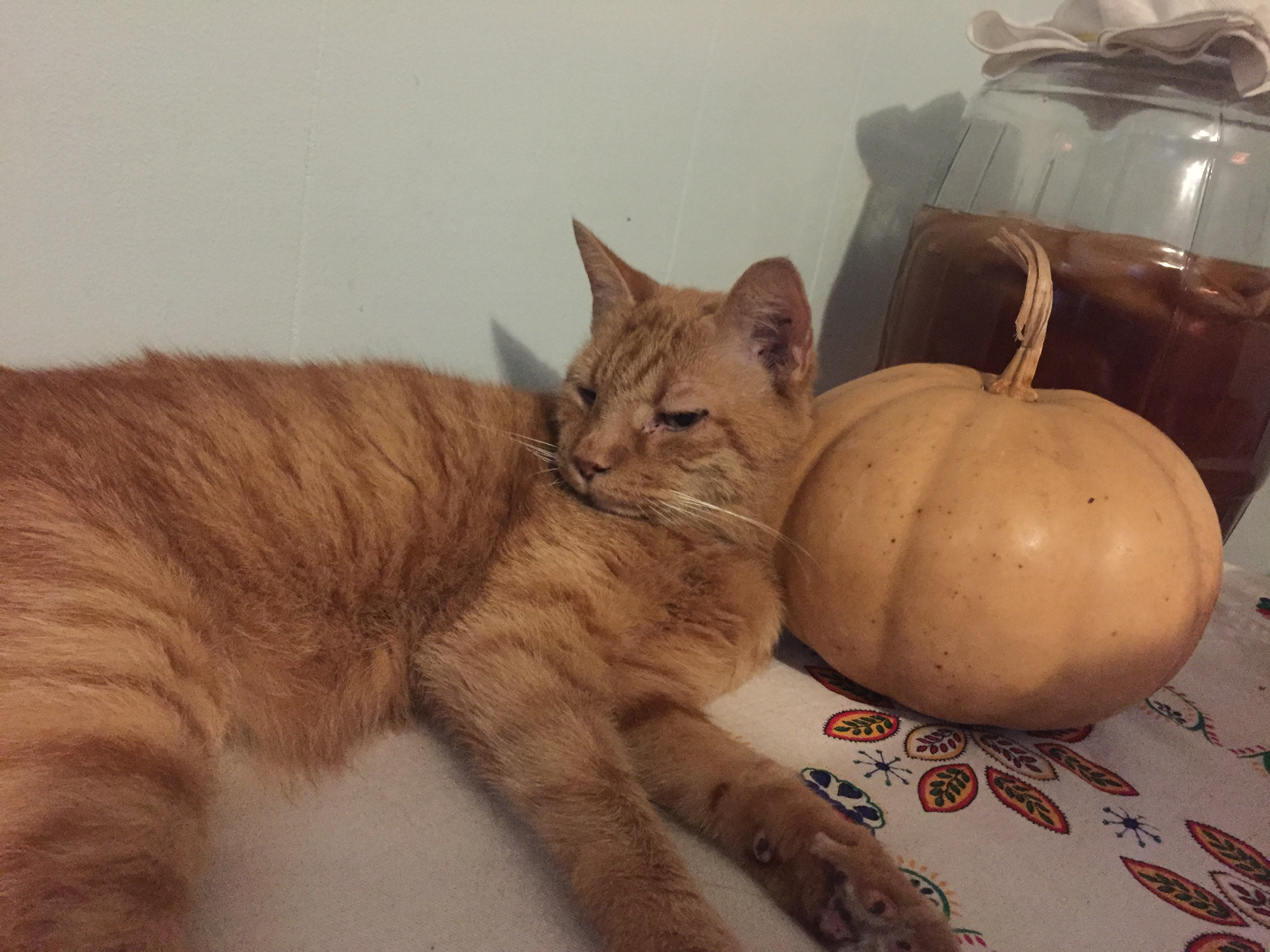
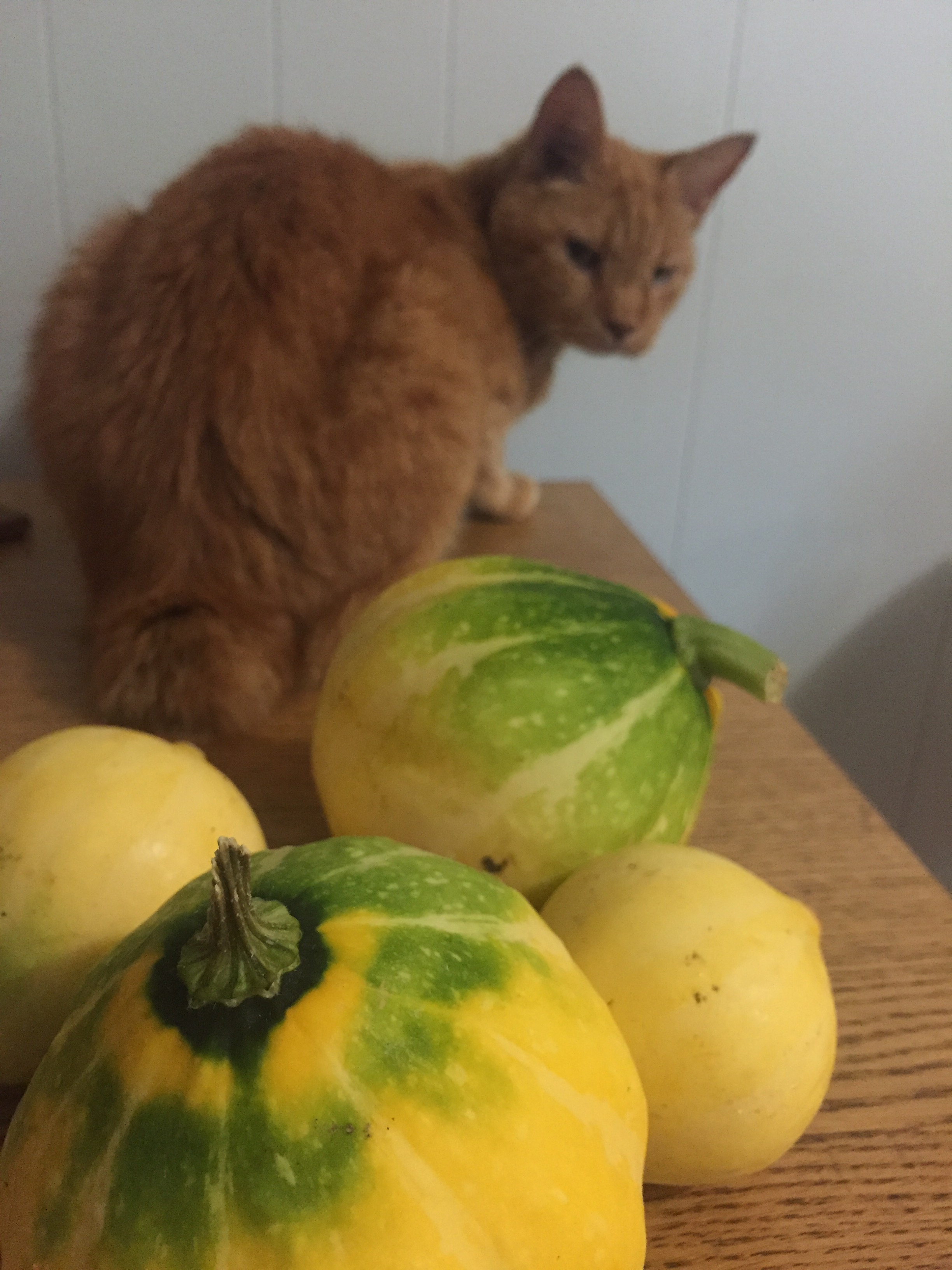
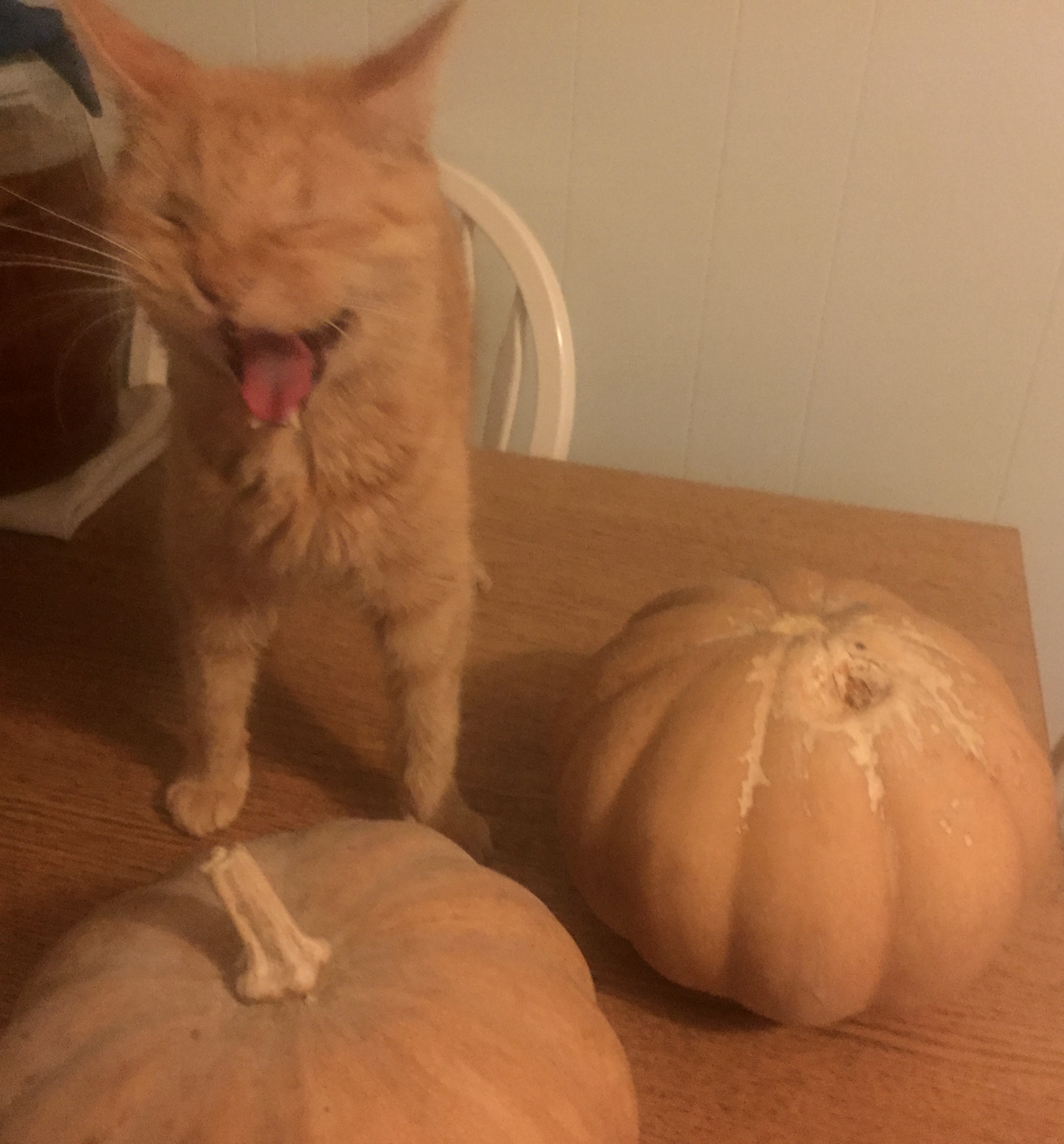
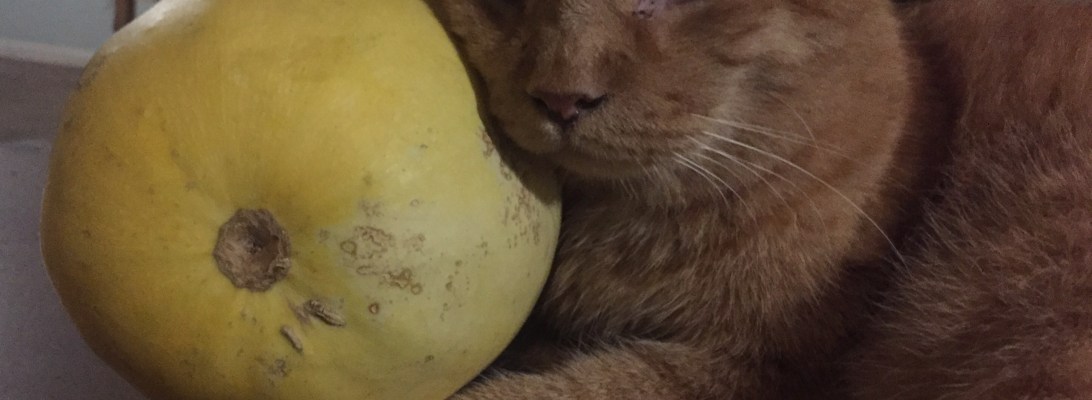
Arthur & The Squash

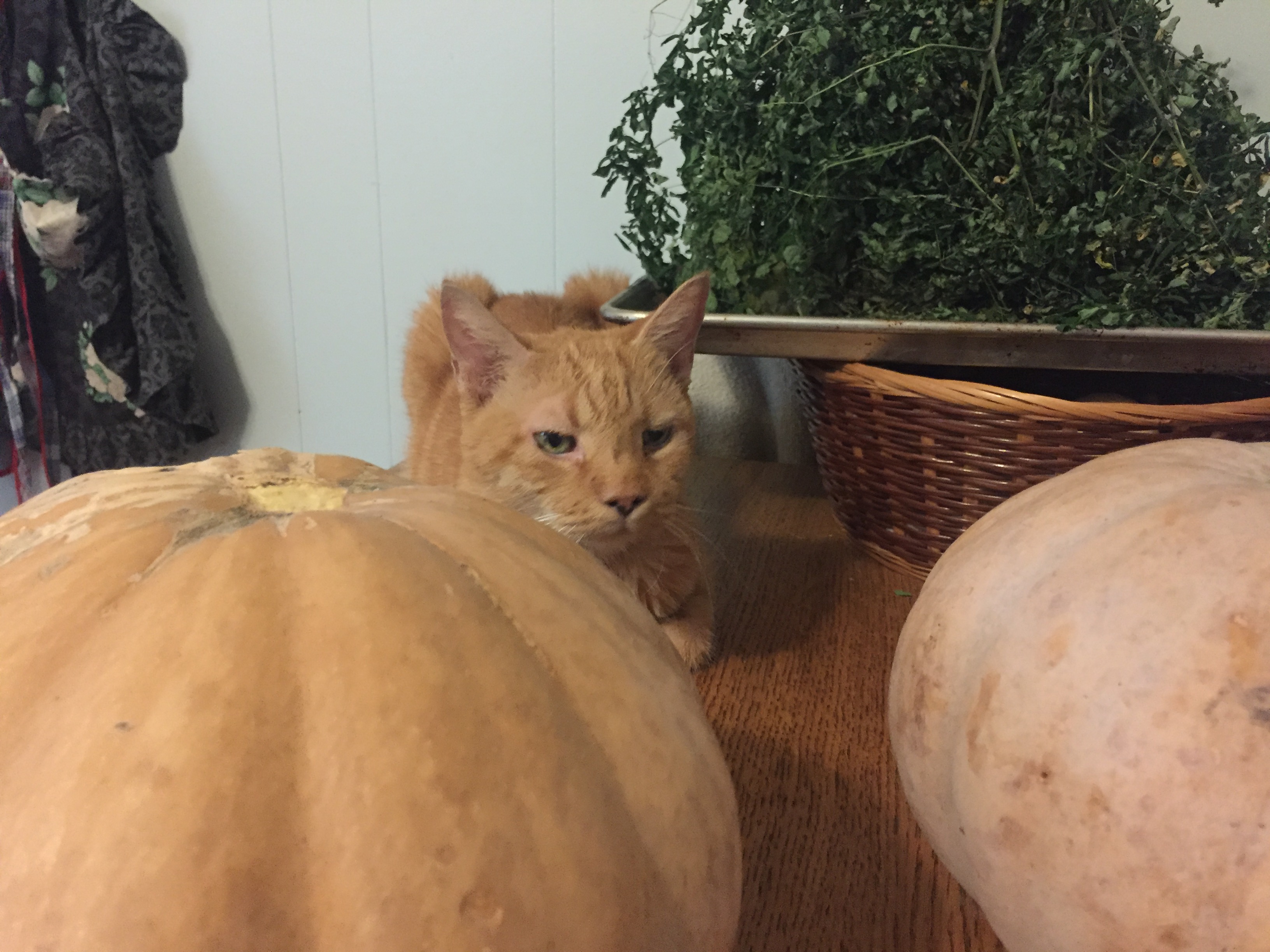
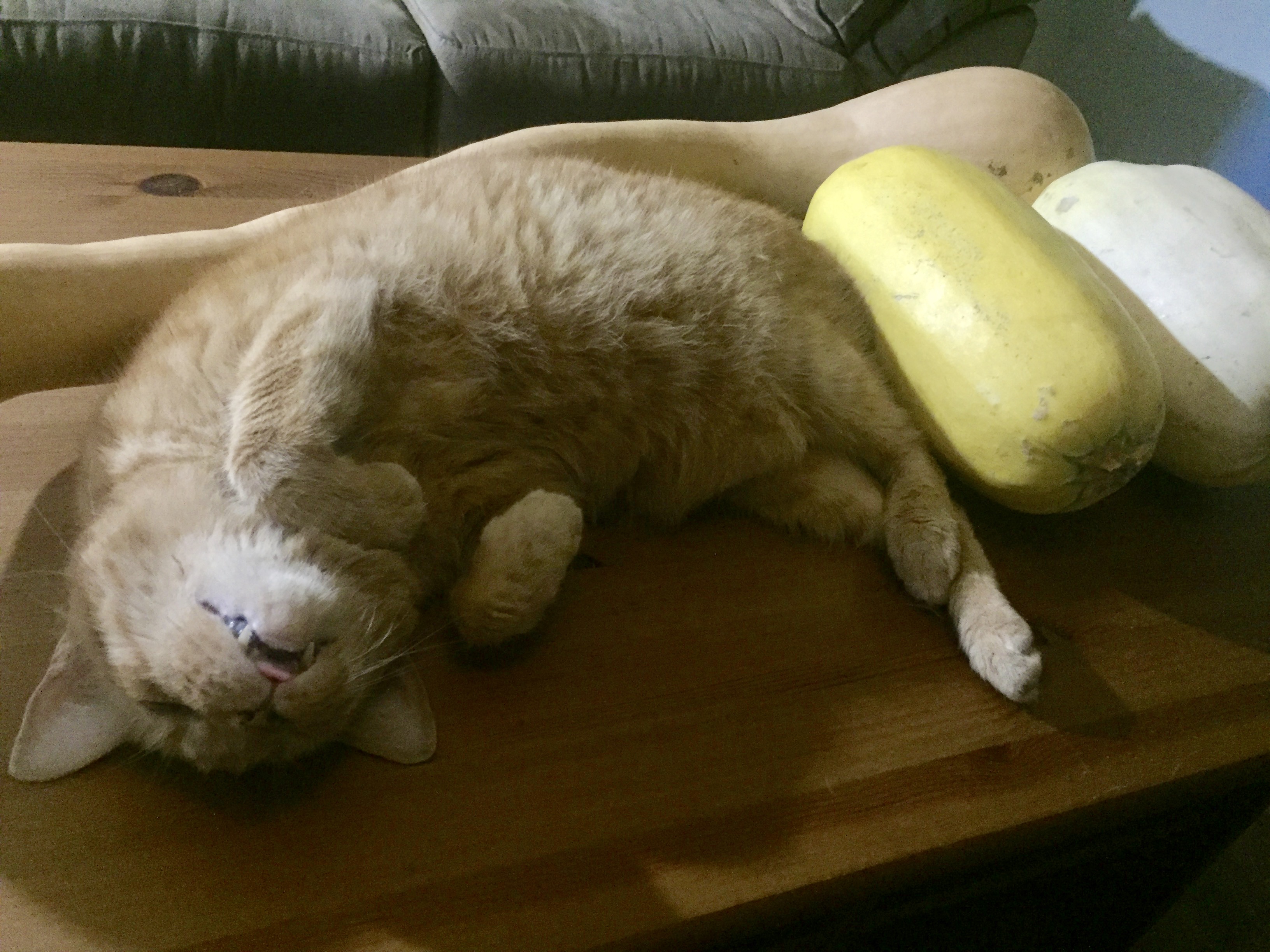
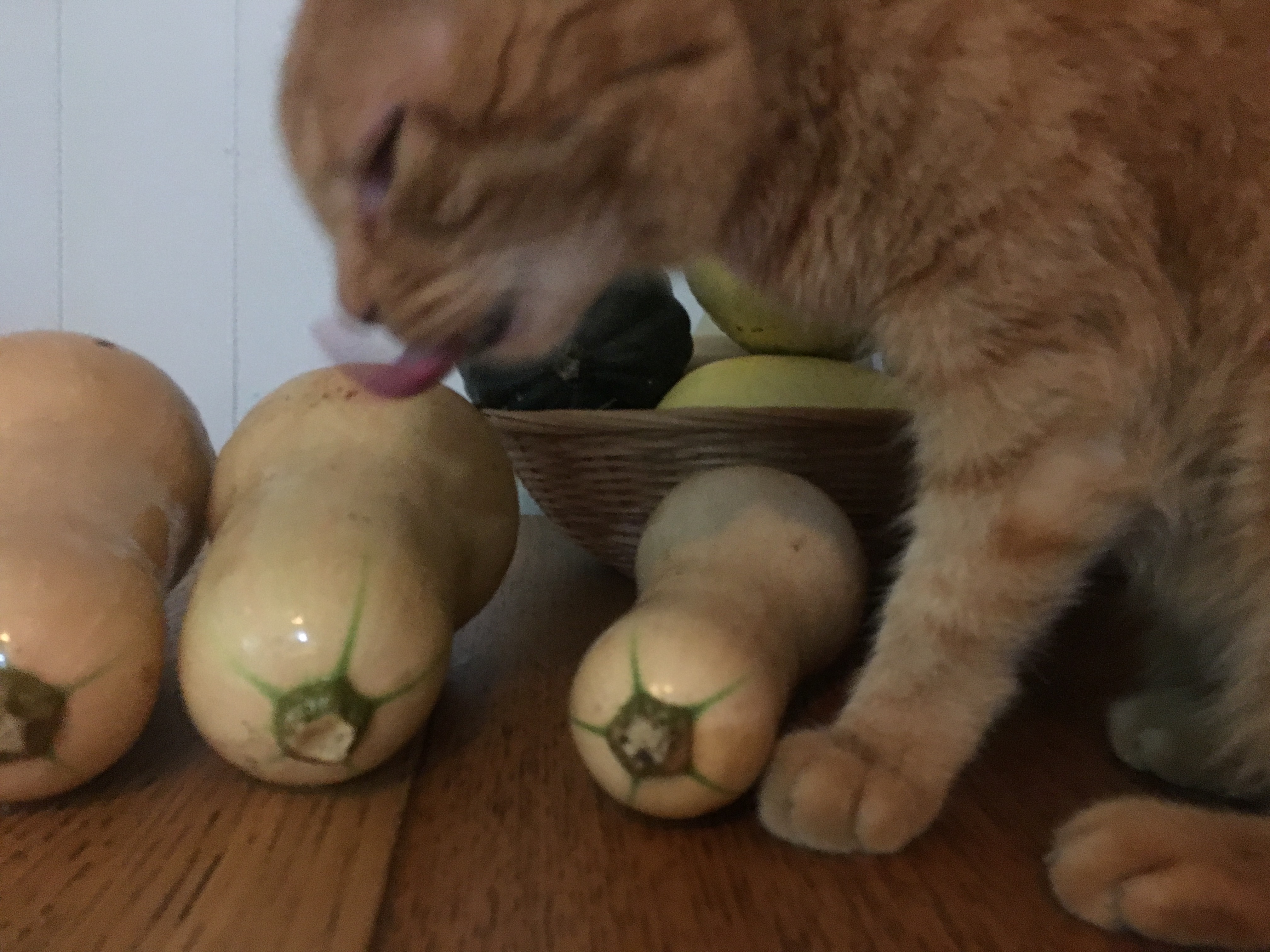
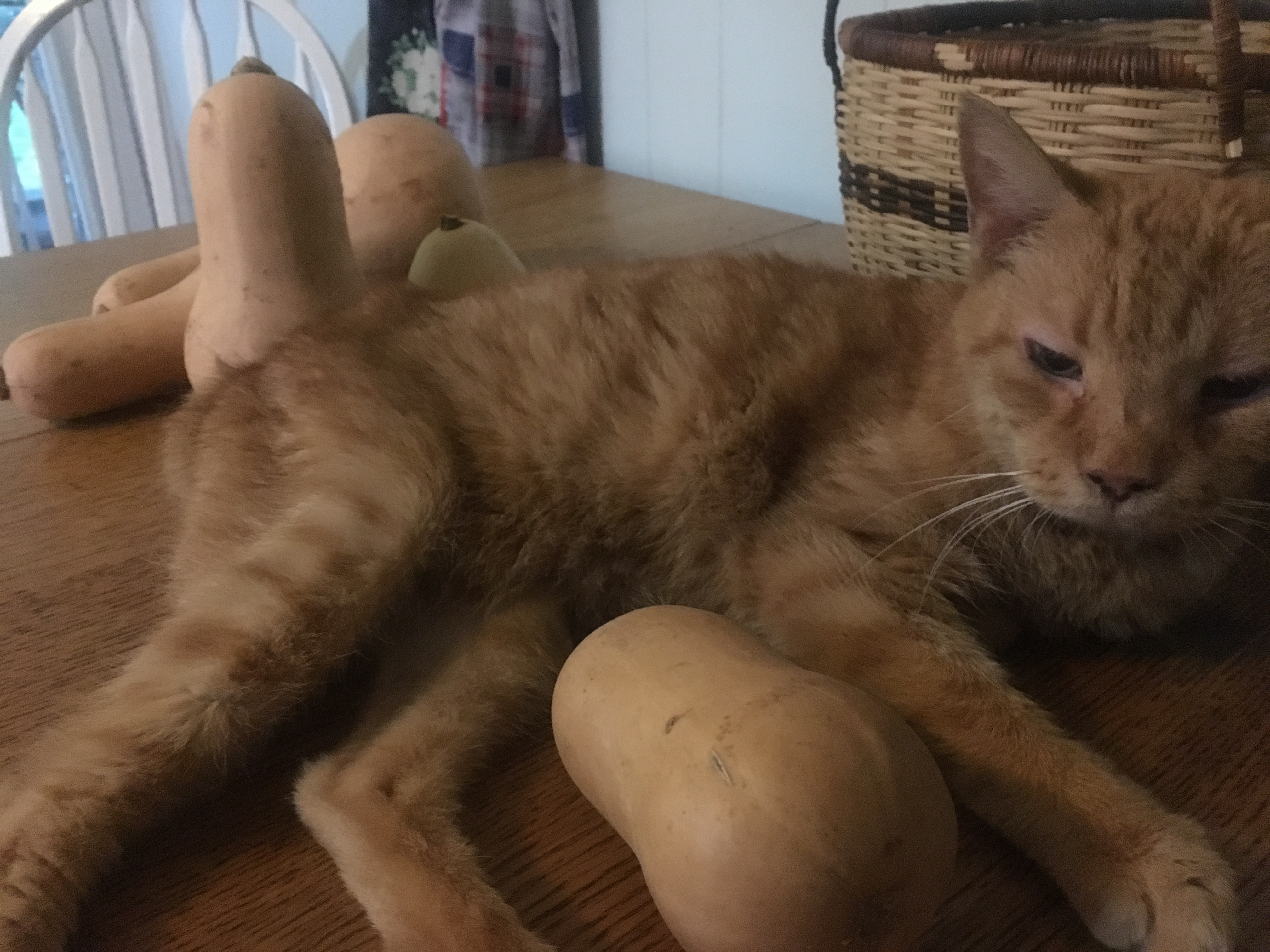
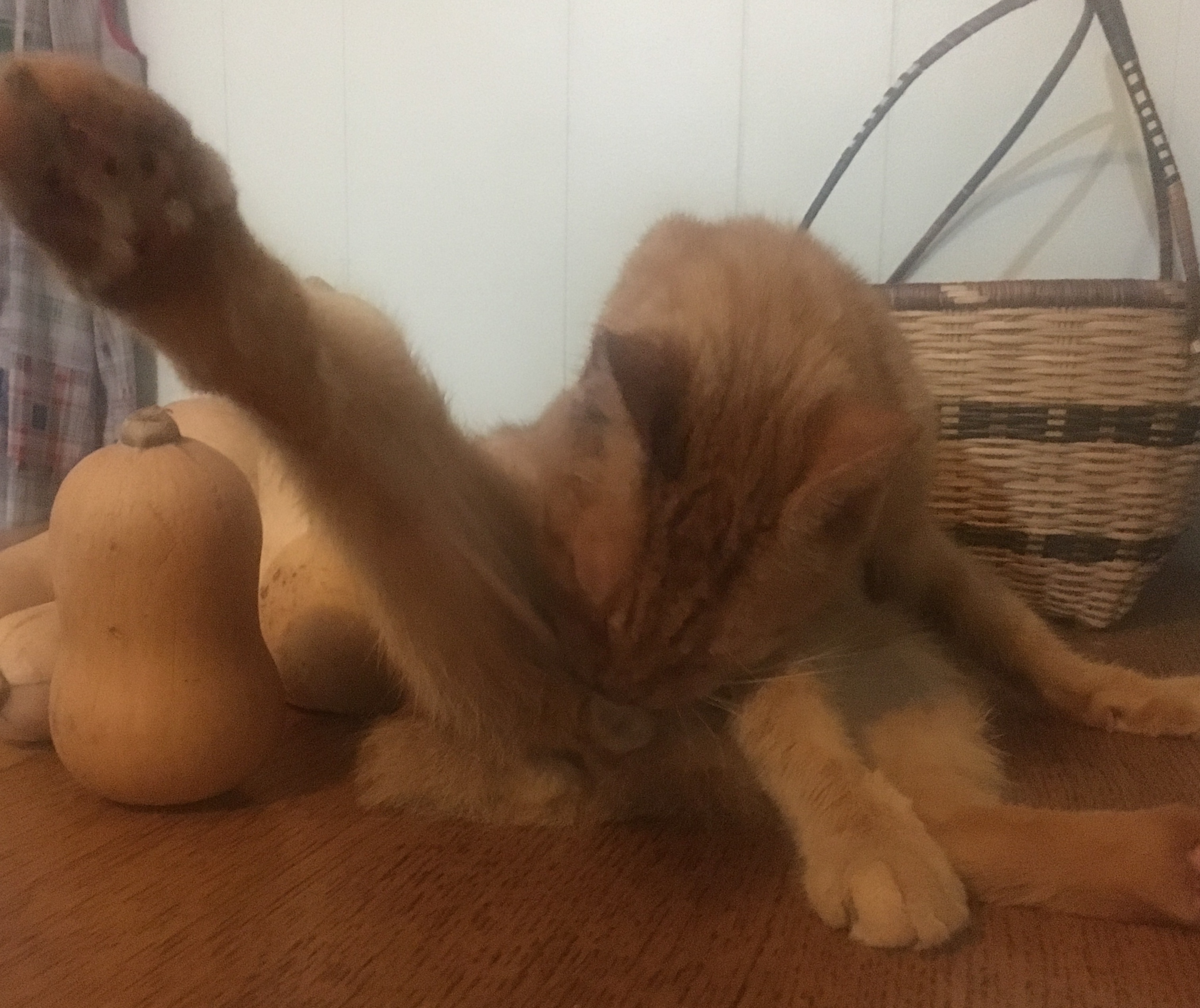
Throughout the year, I have squash of various kinds sitting on the kitchen or living room table. Since many of them are winter squashes, they last a long time and become centerpieces for many months. One of my cats, Arthur likes to lay about with them. Like any cat he wants to be on new things, and often lays on top of my books, seed catalogs, boxes of gear. Since he can’t sit on the squashes, he snuggles and lounges with them.

I think they’re funny enough to share, so here they are! Enjoy 🙂

Guatemalan Blue Squash!

I love interesting and unique plants, that make people oooh and ahhh when you describe it, or better yet show it off. As a seed steward, I especially like the plants that let me have my cake and eat it too, so to speak. Winter squash is one of them; the seeds are ripe at the same time that the fruits are ready to eat. Win, win!

My friend Joe is also a fan of the weird stuff and tips me off when he finds something cool. Usually he’ll give me a sample, or a tour of the beautiful jungle that is his perennial food forest behind Mosswood Farm Store in Micanopy.

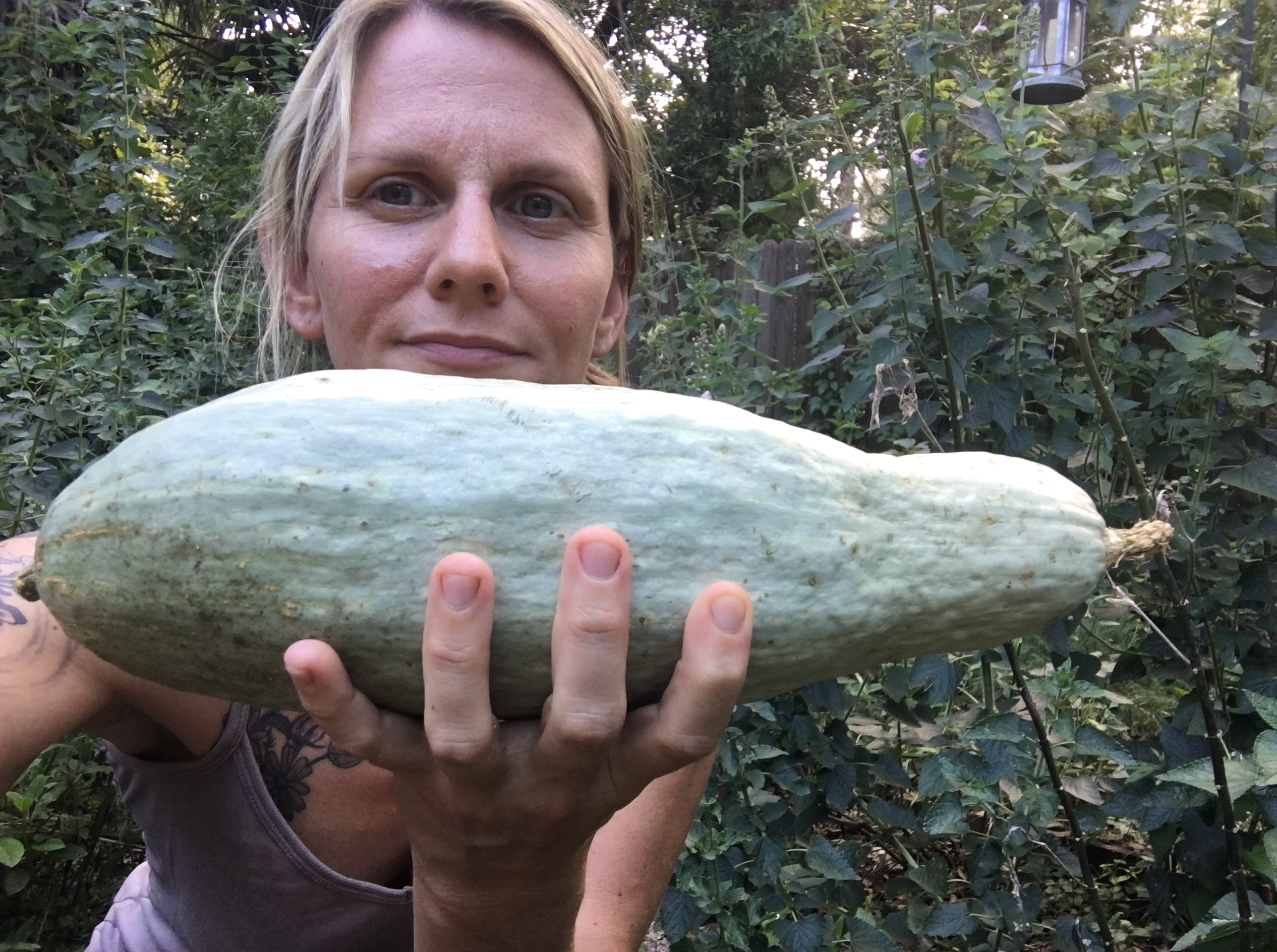
About a month ago, he handed me this beautiful light blue-ish green squash.  Basically he said: “This is delicious, grows like a weed, takes over the garden. You really need to offer this in the seed collective.

Behold! She was a real beauty! I left her to sit on the kitchen table for awhile to let the seeds plump up, and the flesh sweeten. Plus I wanted to admire it a bit longer. It’s kind of my thing to let vegetables sit on the table as long as possible. That’s why I have a whole series of “Arthur & The Squash” photos of my kitty lounging amongst squashes of different kinds throughout the year.

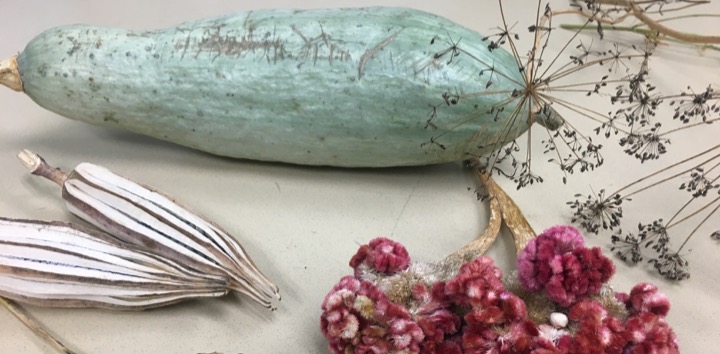
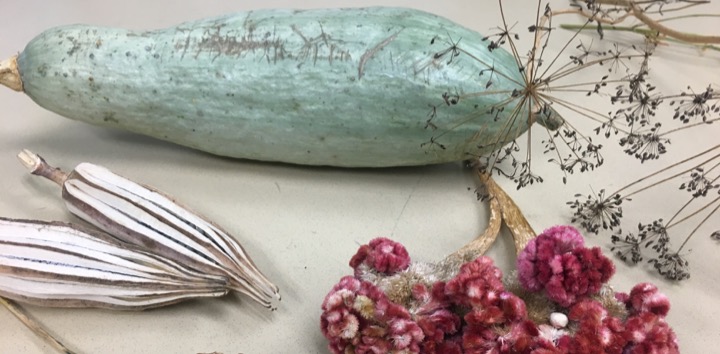
I conveniently received this gift on the day I was to give a talk at a local library about summer gardening. I always like to have a pretty display with me. Perfect! She went well with my other treasures, some dried okra, celosia, and dill.

Today, I finally got around to eating it. I’ve been busy and in a cooking slump lately, so it took me a long time to get my butt in gear! I cut it into chunky rounds and removed the seeds, which ended up being pretty easy to clean compared to other squashes.

I baked at 400F for about 40 minutes and covered lightly with a piece of foil. I also had some butternut squash and so I roasted that too. I was way too tired and uncreative to make anything awesome with them, so I simply spooned out the flesh and ate it, as is.

The texture was super smooth and creamy, with great squashy flavor. In my opinion it had much better texture and flavor than it’s butternut cousin. The butternut is more fibrous and not nearly as flavorful. This would make a great ingredient for a pie, bread, soup, or curry.
I let the seeds sit in water for about 4 hours to do a light ferment (not necessary but some like to do it), then dried them out on a napkin for several days before storing them. Ideally, I’d have seeds from a dozen or so different squashes, but I’ll get some more from Joe, mix em up, and plant a crop sometime next season. Fortunately because it’s a Cucurbita maxima and not C. moschata, I don’t need to worry about them cross-pollinating with my precious Seminole Pumpkin. So I can grow both. IF there is room! Both are vigorous vining, climbing beasts.