Arthur & The Squash

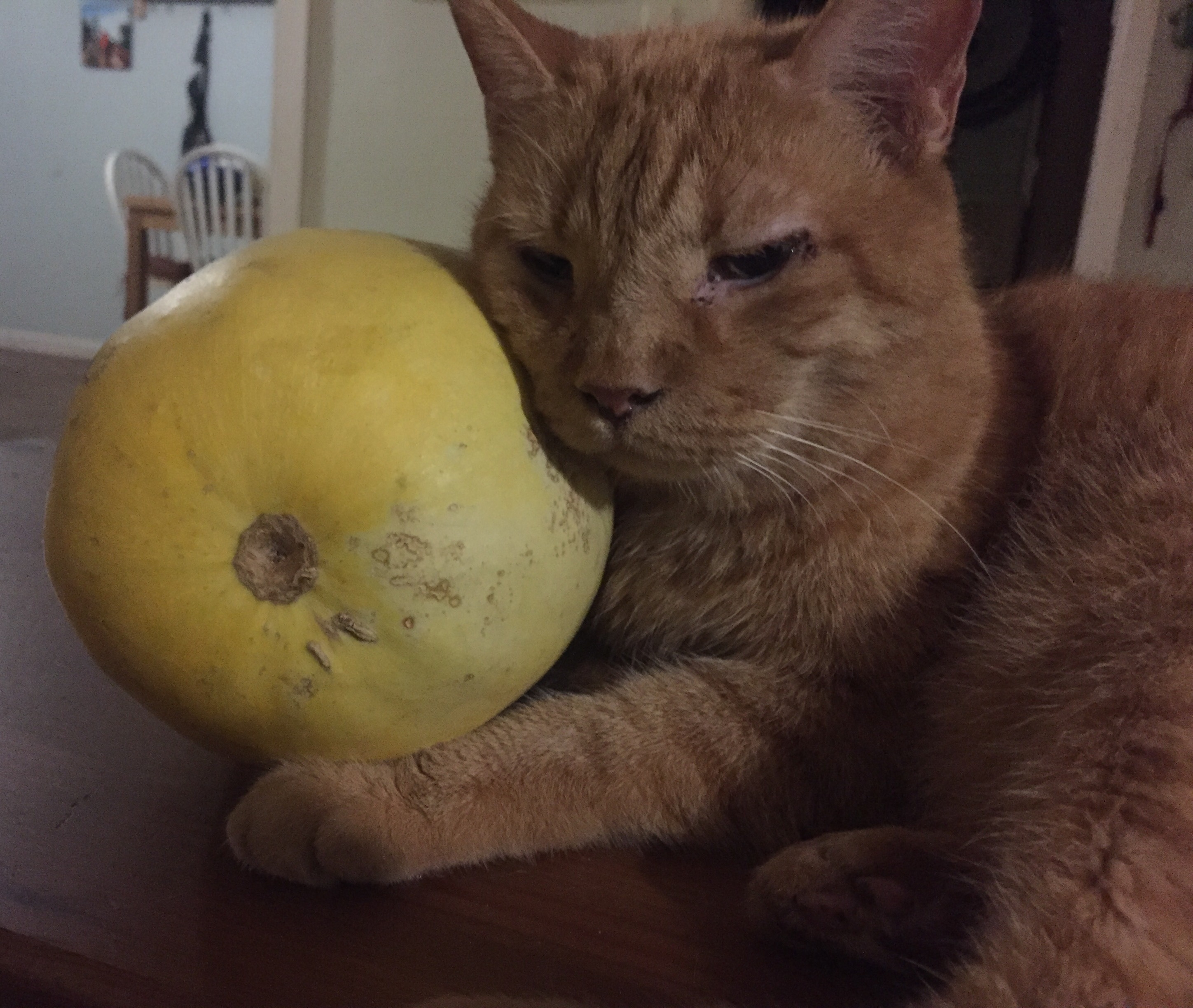
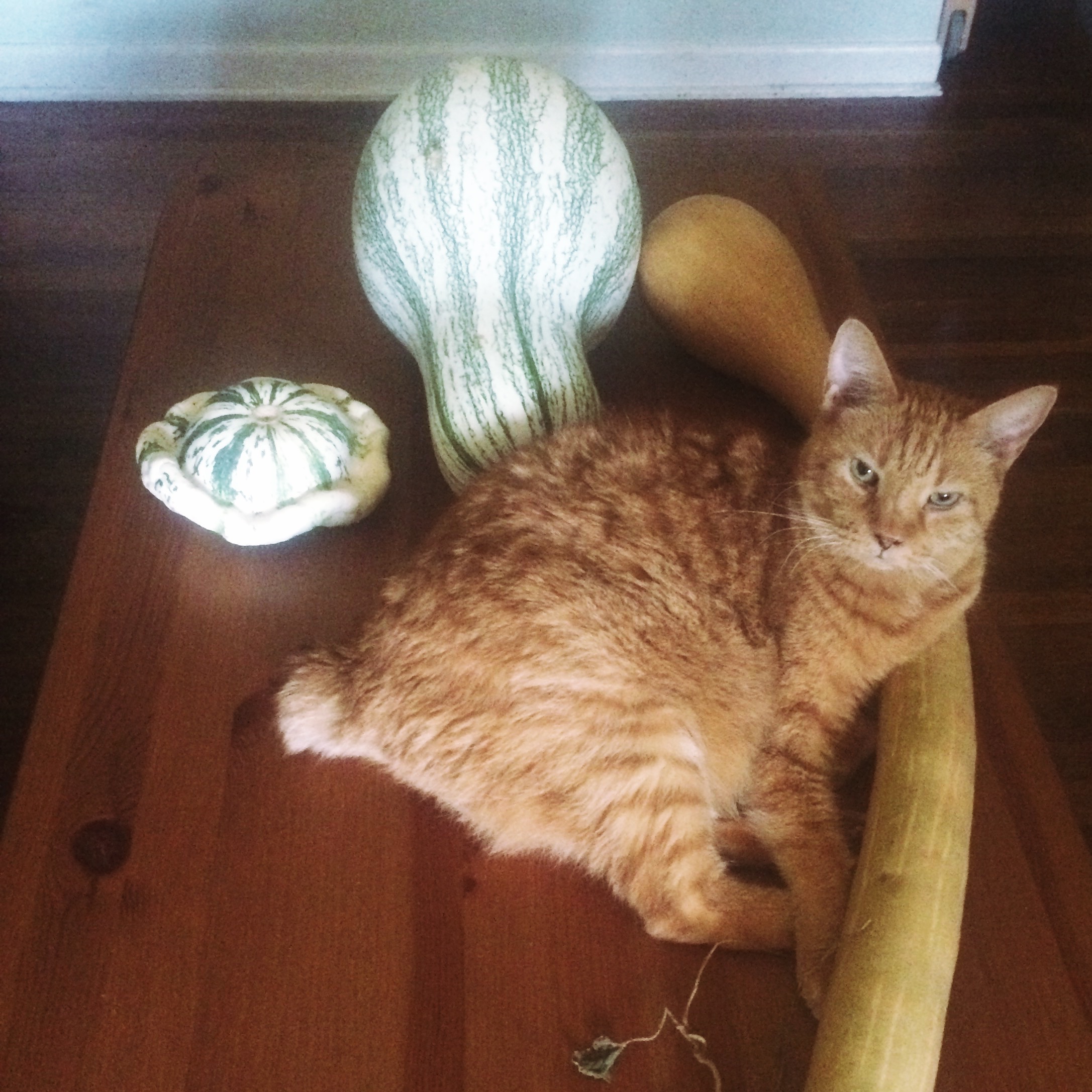
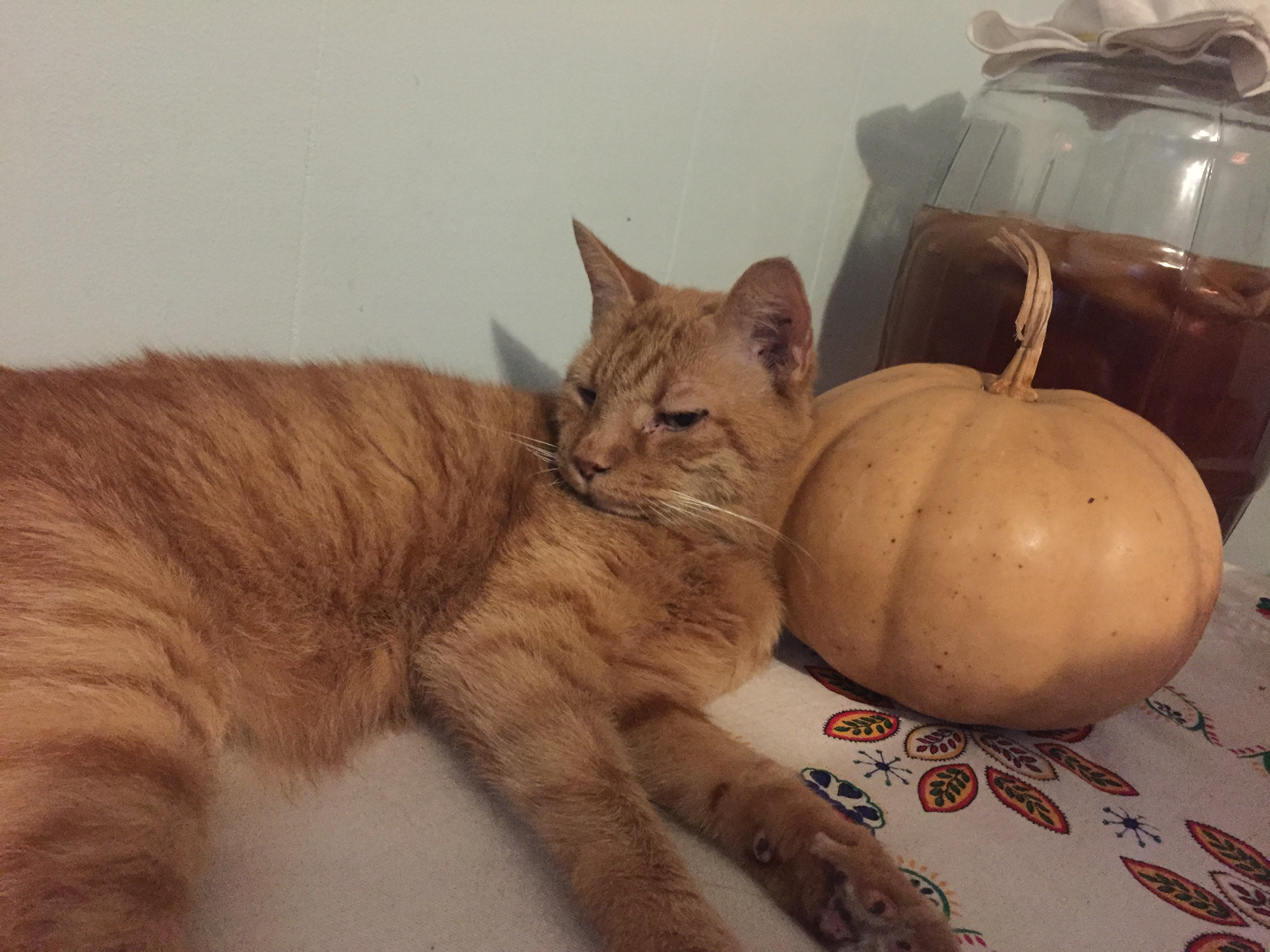
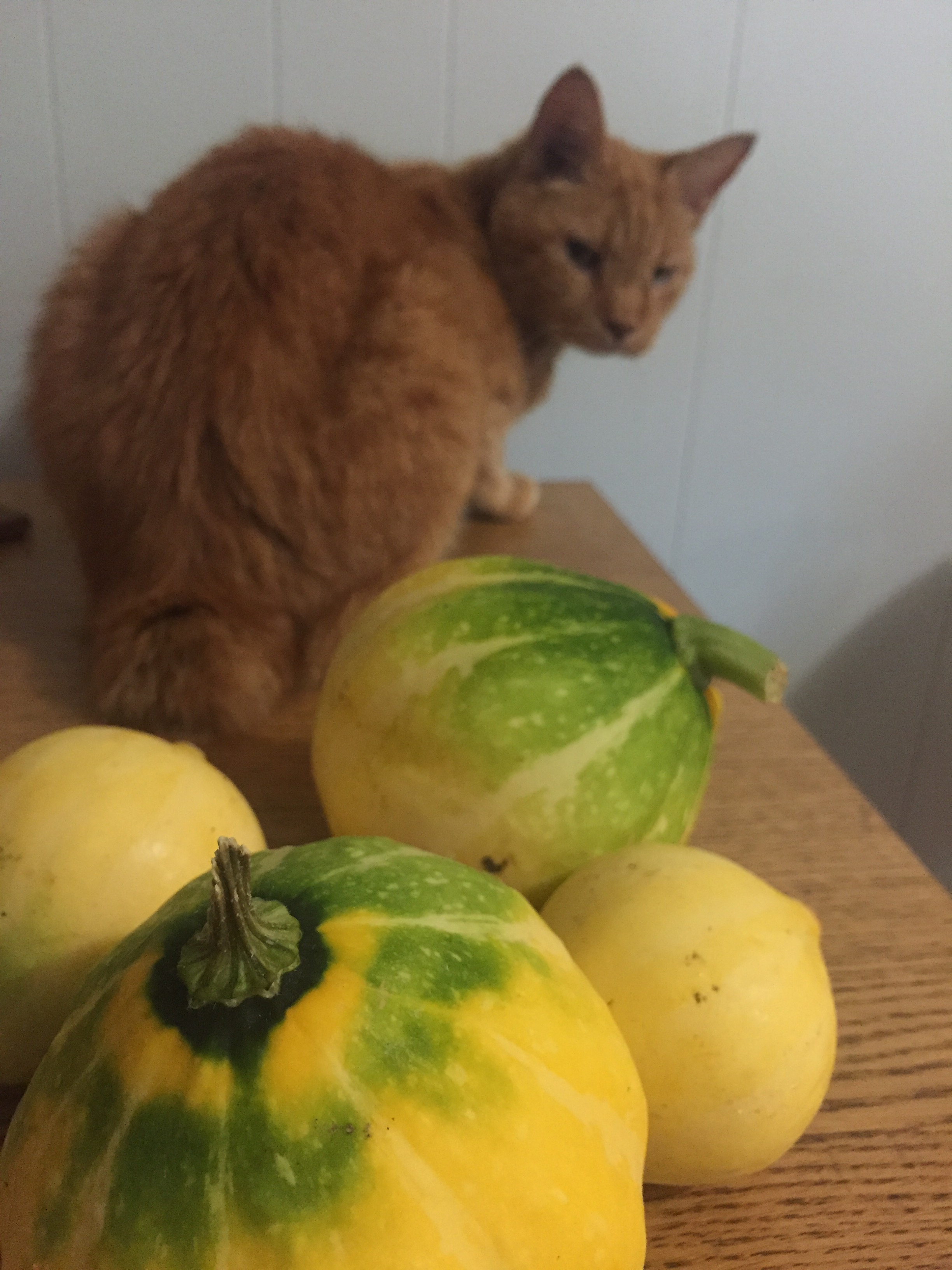
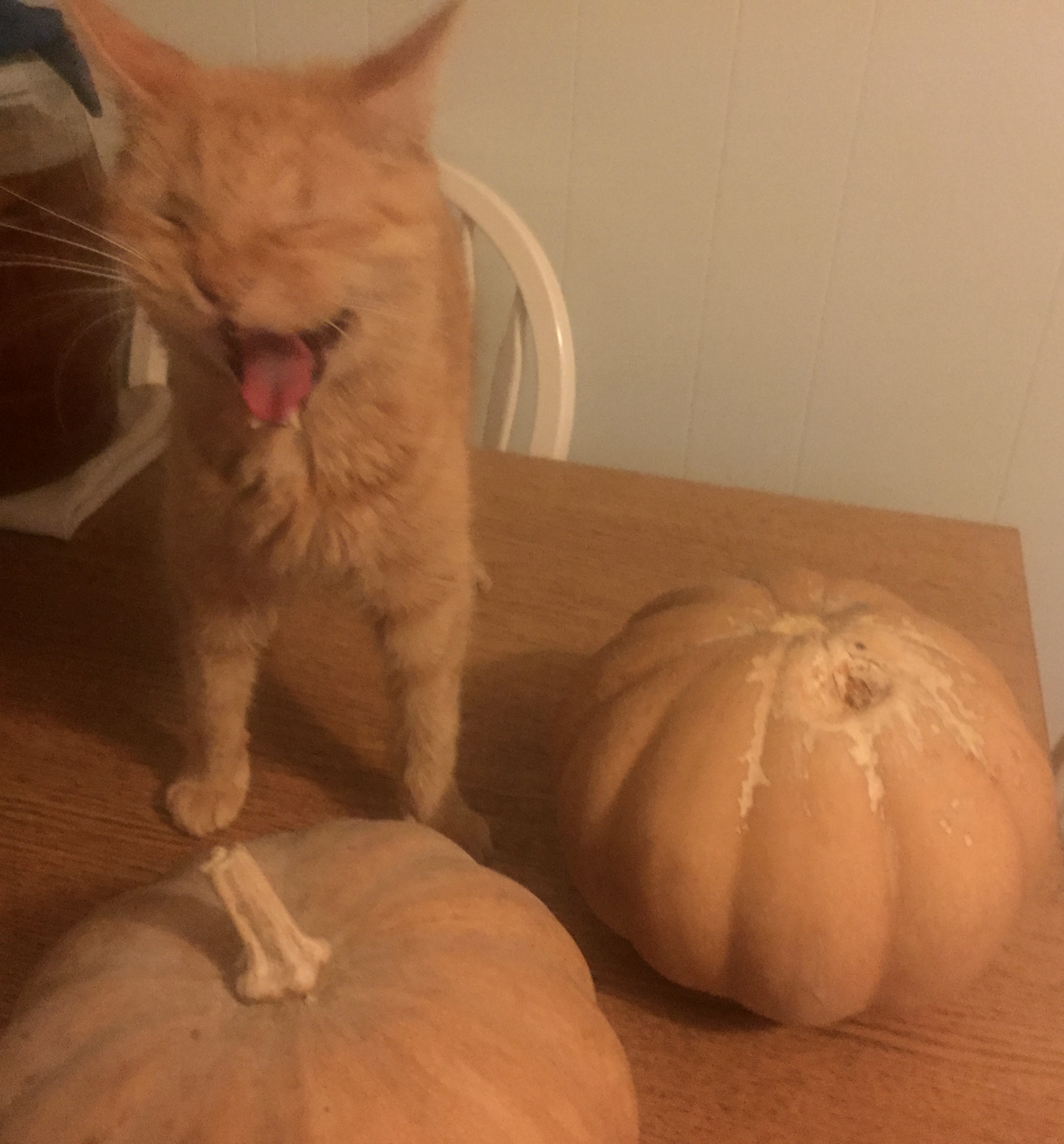
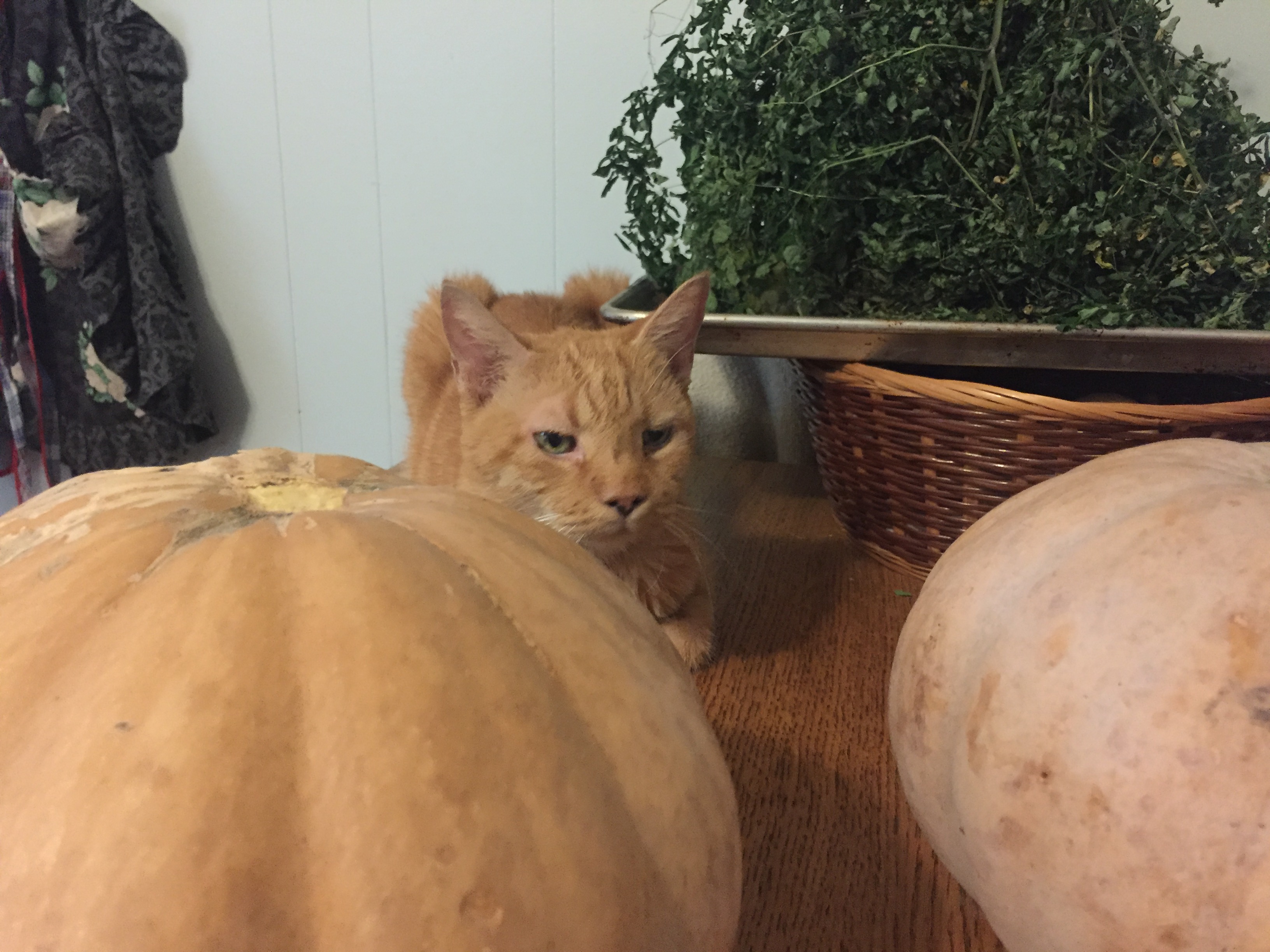
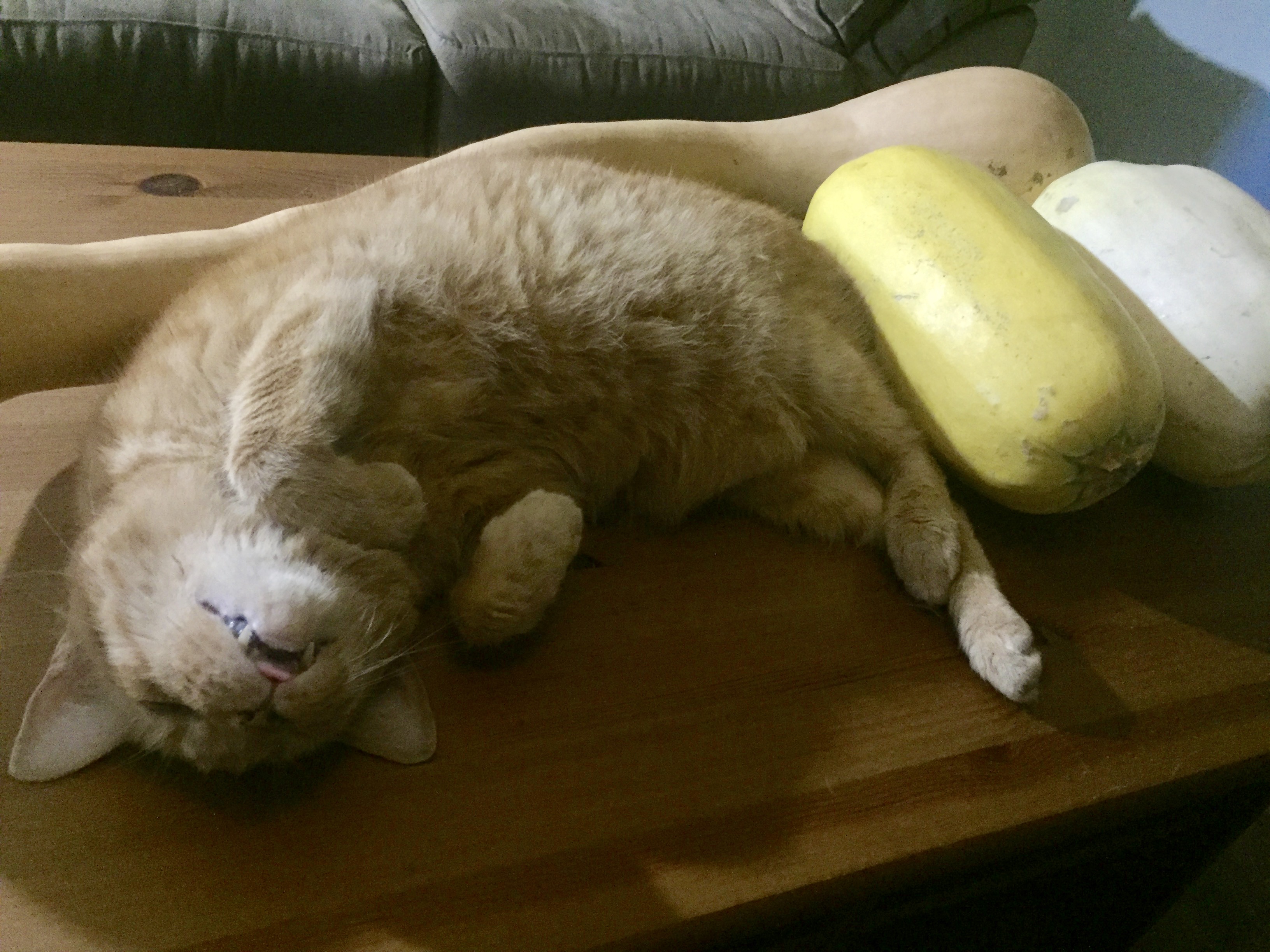
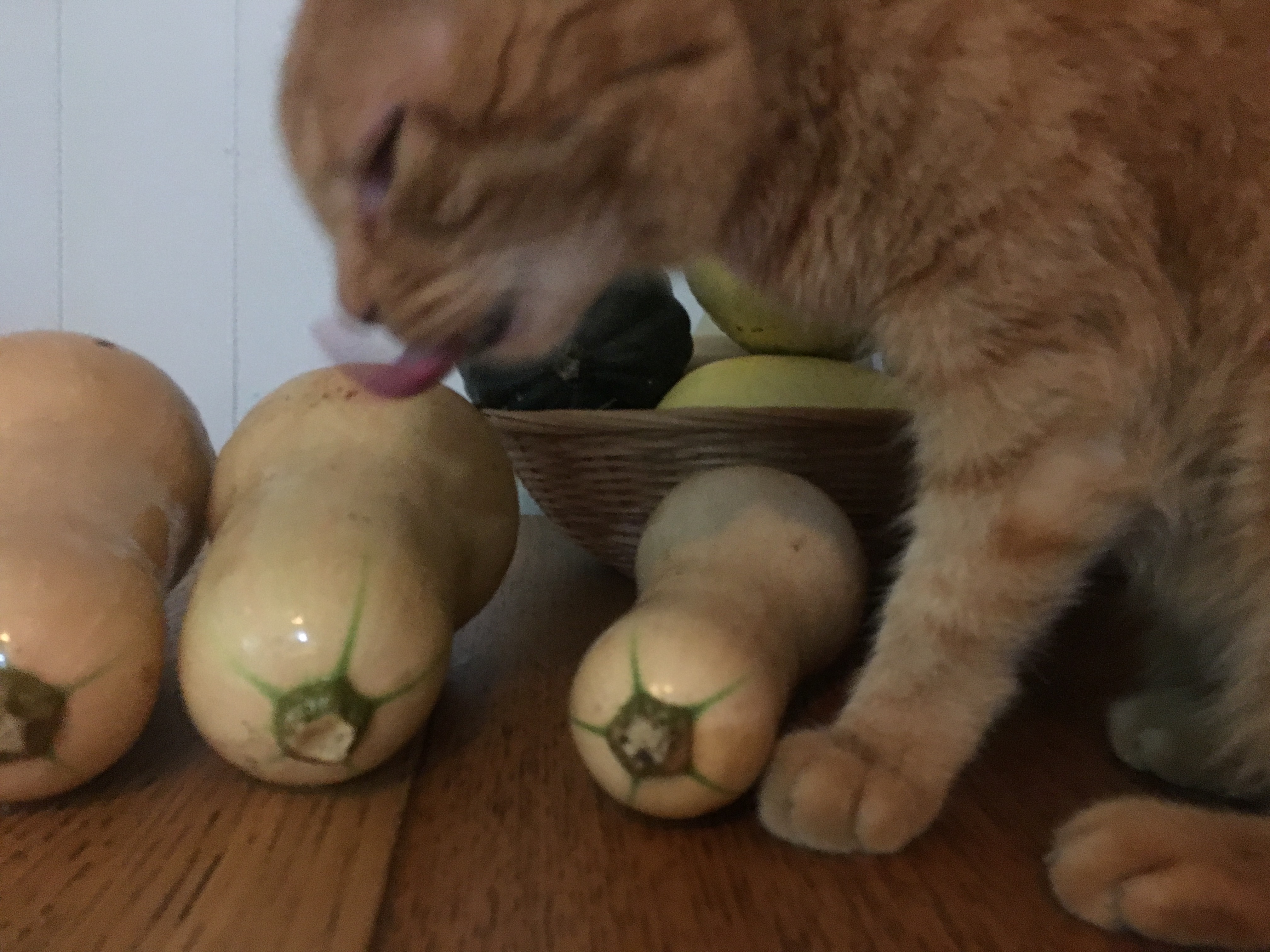
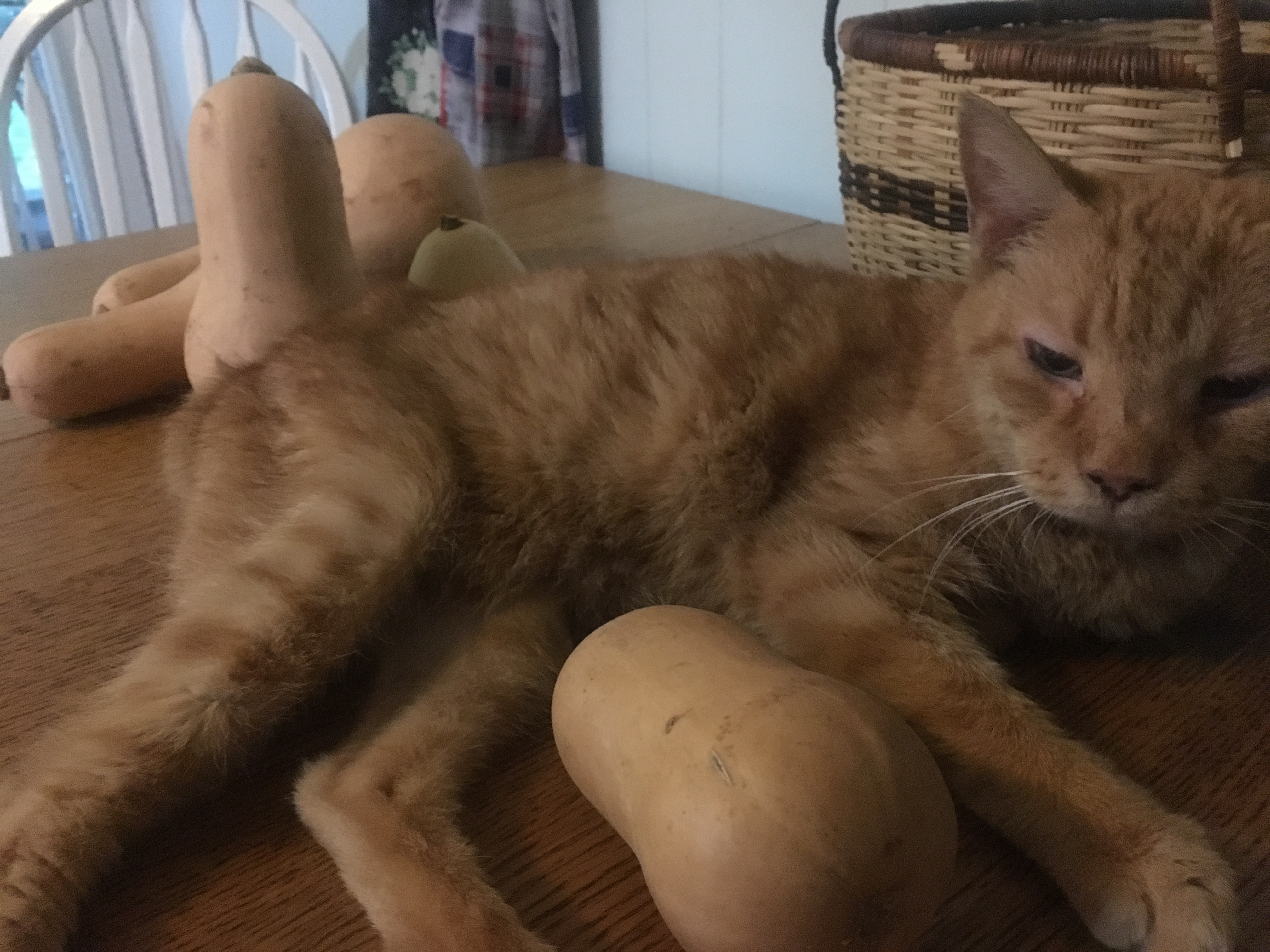
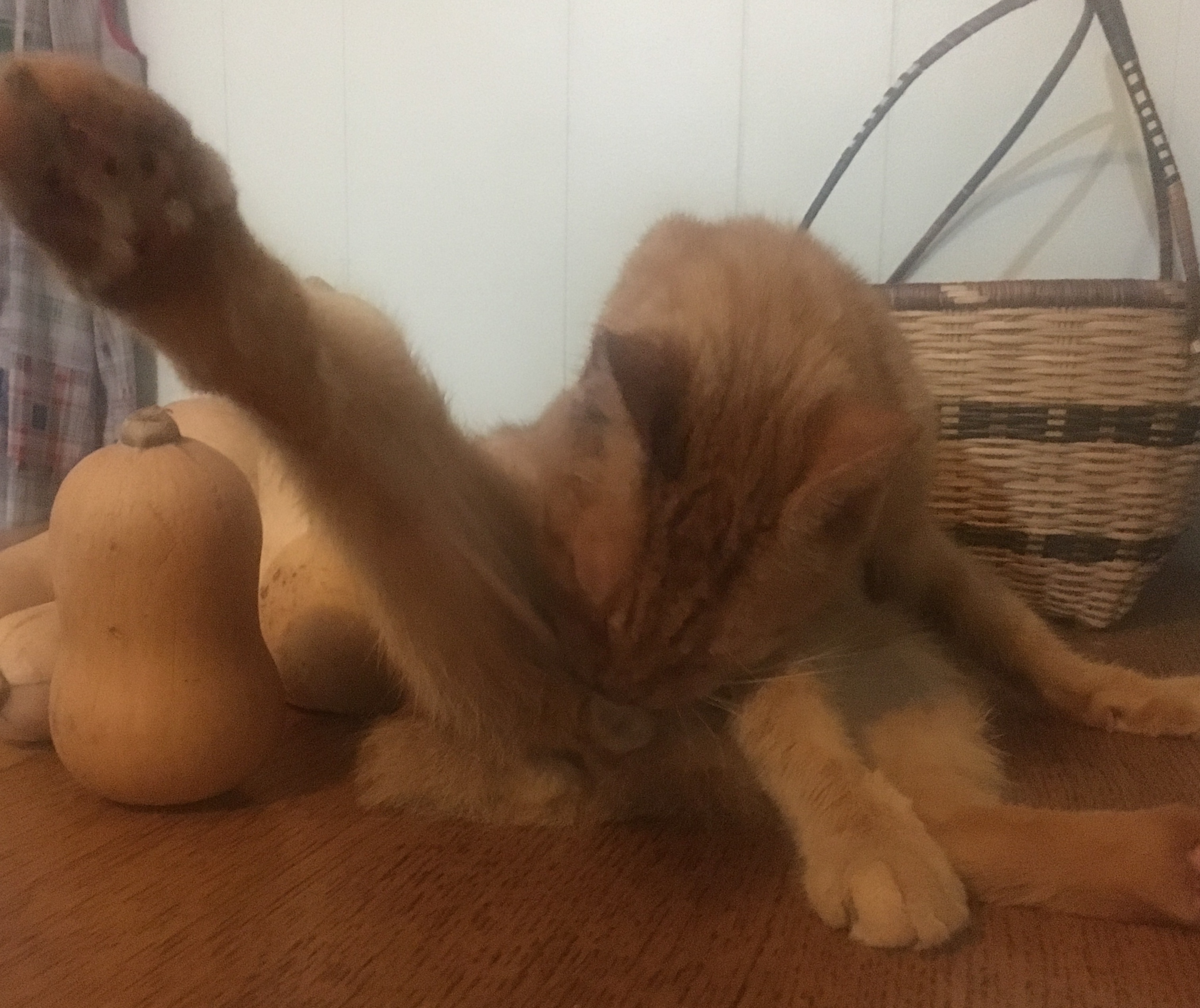
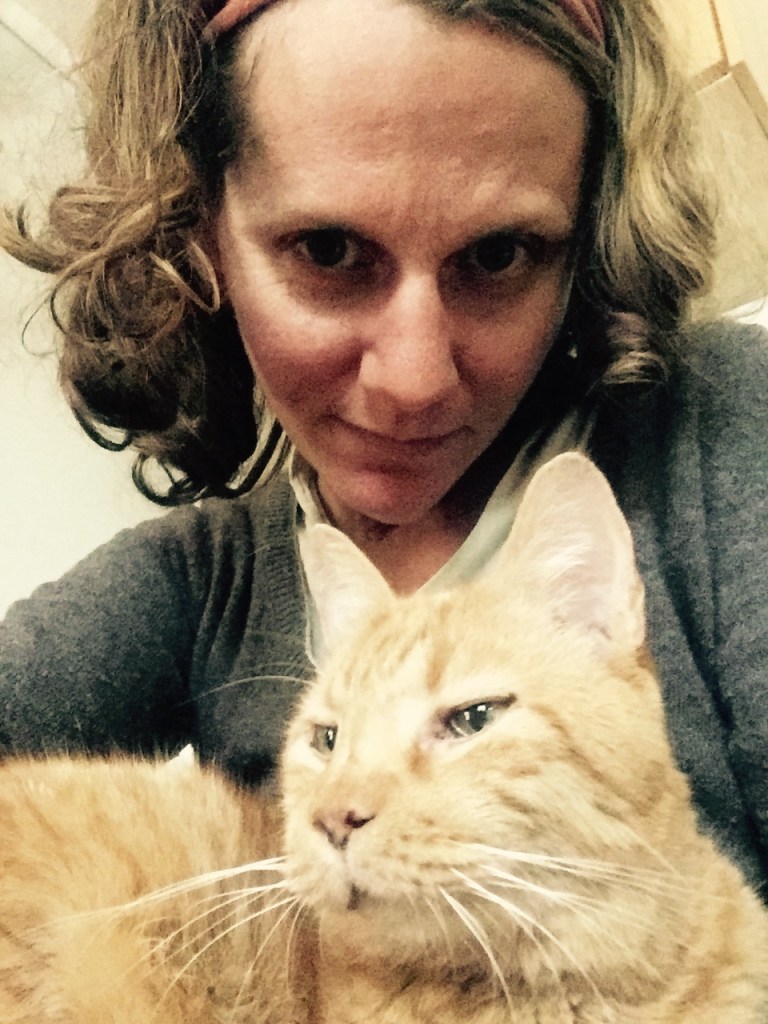
Throughout the year, I have squash of various kinds sitting on the kitchen or living room table. Since many of them are winter squashes, they last a long time and become centerpieces for many months. One of my cats, Arthur likes to lay about with them. Like any cat he wants to be on new things, and often lays on top of my books, seed catalogs, boxes of gear. Since he can’t sit on the squashes, he snuggles and lounges with them.

I think they’re funny enough to share, so here they are! Enjoy 🙂

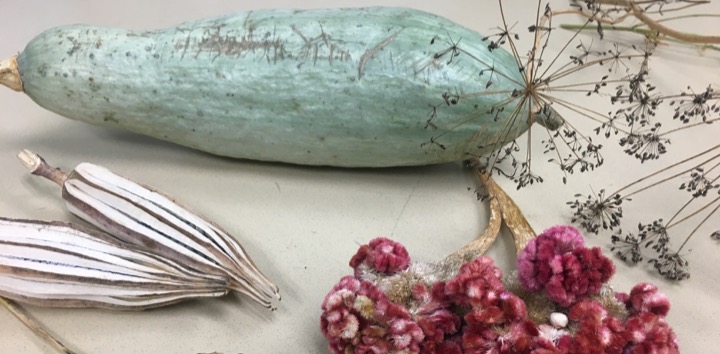
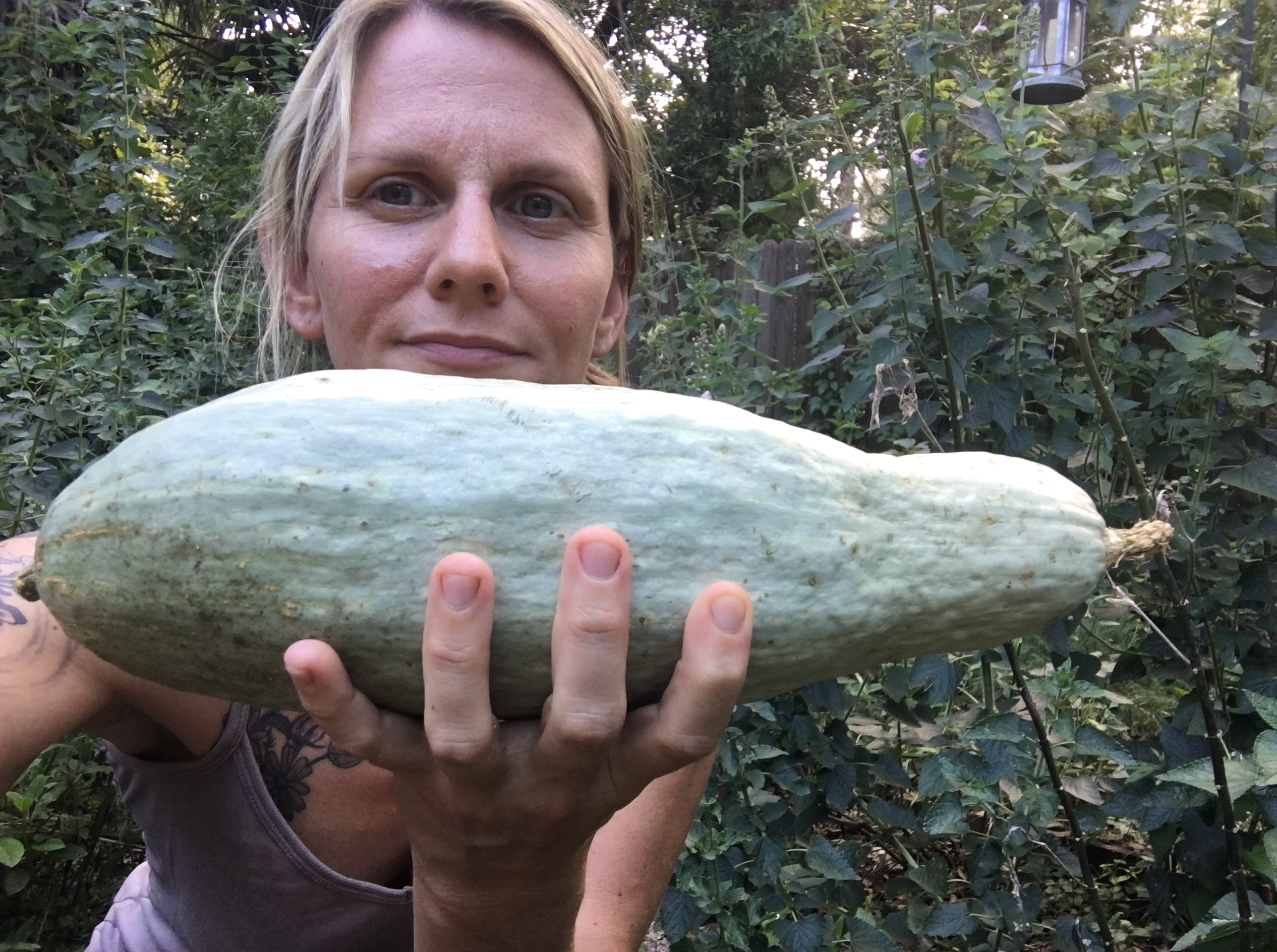
Guatemalan Blue Squash!

I love interesting and unique plants, that make people oooh and ahhh when you describe it, or better yet show it off. As a seed steward, I especially like the plants that let me have my cake and eat it too, so to speak. Winter squash is one of them; the seeds are ripe at the same time that the fruits are ready to eat. Win, win!

My friend Joe is also a fan of the weird stuff and tips me off when he finds something cool. Usually he’ll give me a sample, or a tour of the beautiful jungle that is his perennial food forest behind Mosswood Farm Store in Micanopy.

About a month ago, he handed me this beautiful light blue-ish green squash.  Basically he said: “This is delicious, grows like a weed, takes over the garden. You really need to offer this in the seed collective.

Behold! She was a real beauty! I left her to sit on the kitchen table for awhile to let the seeds plump up, and the flesh sweeten. Plus I wanted to admire it a bit longer. It’s kind of my thing to let vegetables sit on the table as long as possible. That’s why I have a whole series of “Arthur & The Squash” photos of my kitty lounging amongst squashes of different kinds throughout the year.

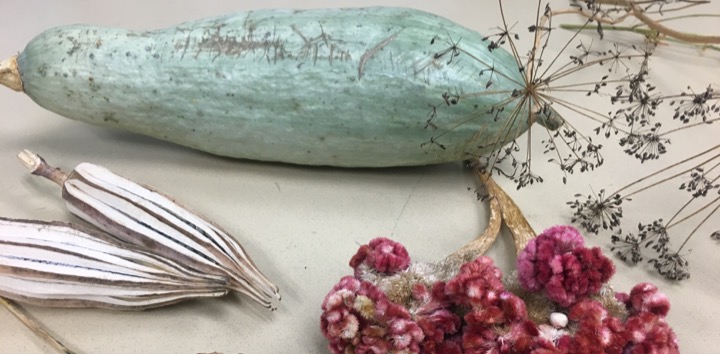
I conveniently received this gift on the day I was to give a talk at a local library about summer gardening. I always like to have a pretty display with me. Perfect! She went well with my other treasures, some dried okra, celosia, and dill.

Today, I finally got around to eating it. I’ve been busy and in a cooking slump lately, so it took me a long time to get my butt in gear! I cut it into chunky rounds and removed the seeds, which ended up being pretty easy to clean compared to other squashes.

I baked at 400F for about 40 minutes and covered lightly with a piece of foil. I also had some butternut squash and so I roasted that too. I was way too tired and uncreative to make anything awesome with them, so I simply spooned out the flesh and ate it, as is.

The texture was super smooth and creamy, with great squashy flavor. In my opinion it had much better texture and flavor than it’s butternut cousin. The butternut is more fibrous and not nearly as flavorful. This would make a great ingredient for a pie, bread, soup, or curry.

I let the seeds sit in water for about 4 hours to do a light ferment (not necessary but some like to do it), then dried them out on a napkin for several days before storing them. Ideally, I’d have seeds from a dozen or so different squashes, but I’ll get some more from Joe, mix em up, and plant a crop sometime next season. Fortunately because it’s a Cucurbita maxima and not C. moschata, I don’t need to worry about them cross-pollinating with my precious Seminole Pumpkin. So I can grow both. IF there is room! Both are vigorous vining, climbing beasts.


being bald

This is a huge concern for people that go through treatment which results in hair loss. I am glad to finally write about it. It came up recently when my friend Carolyn asked, because her mother was facing this situation. It can be a difficult thing to manage and accept.

For the first phase of my treatment, when I only had radiation and surgery, very few people knew what I was going through. Only those that needed to know, did. Everyone else, even close friends I kept out of my business. I don’t fully know why. Part of me wanted to tell them, the other part didn’t want to upset them, to have to talk about it, to be vulnerable I guess. I don’t know, I just chose not to. But it was hard at times not to be honest.

One weekend at the beach with many of my closest friends, who had come from all over to re-unite as we try for annually, I recall feeling this sense of guilt. My butt was hurting from the treatment I was receiving, and the deep conversations we would have about health, life, careers…well I was leaving something major out. I couldn’t for some reason, tell them why I was feeling a bit tired, and tried to hide my physical discomfort.

But when the cancer spread and I agreed to go through chemo, I was was faced with the inevitable fate of hair loss. I struggled with the vainness of being a bald woman. Even though about half the time the mess I call hair was tied back, knotted, wind strewn, and full of debris (this is a very normal condition for my hair!), it was still a head of hair. I could still look feminine, clean up nice, style it once in a great while. Not having it was going to make me look a lot different, and, it meant I would HAVE to tell people I had cancer. It was a moment of defeat, and acceptance.

DSC_0214
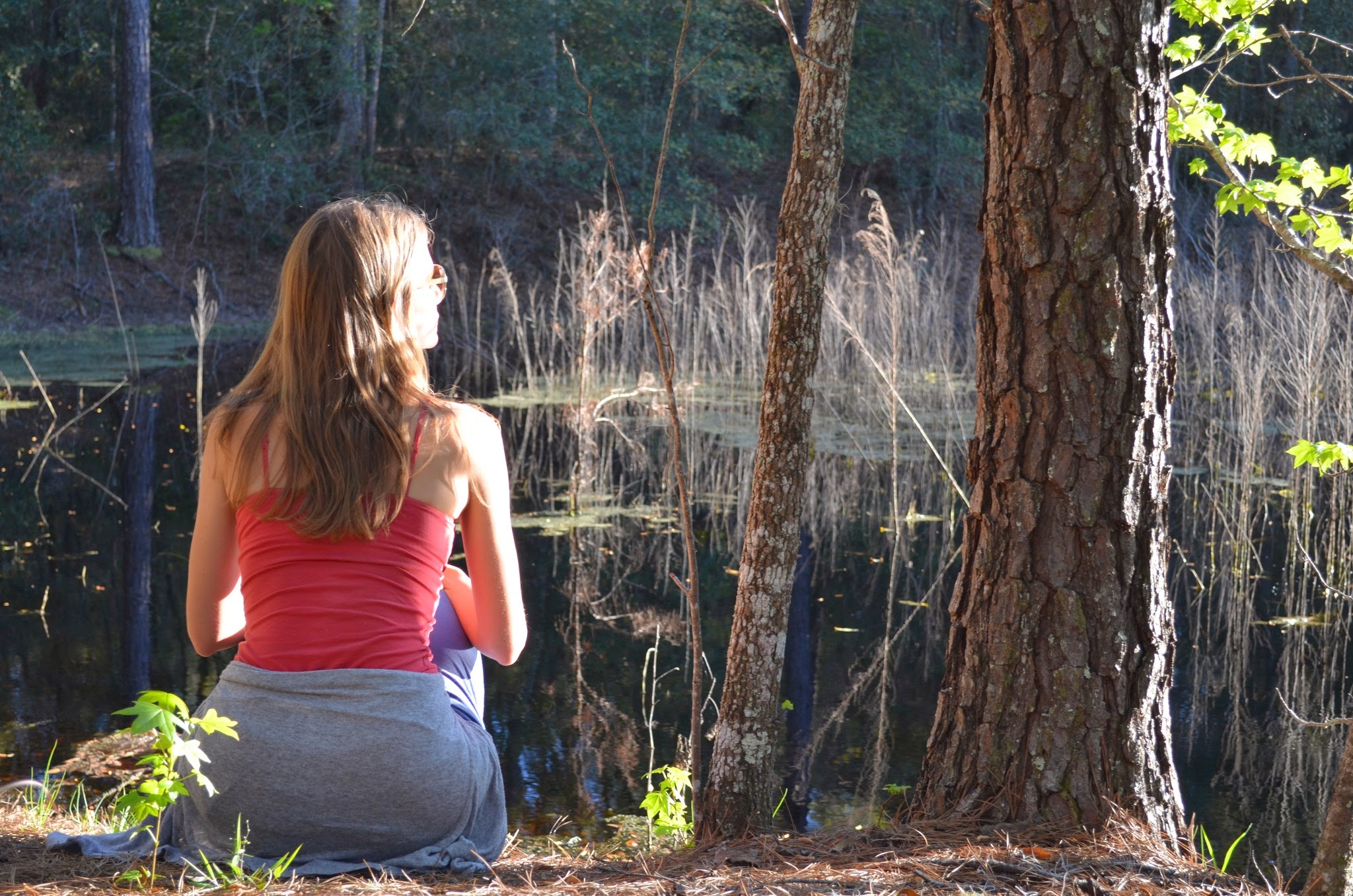
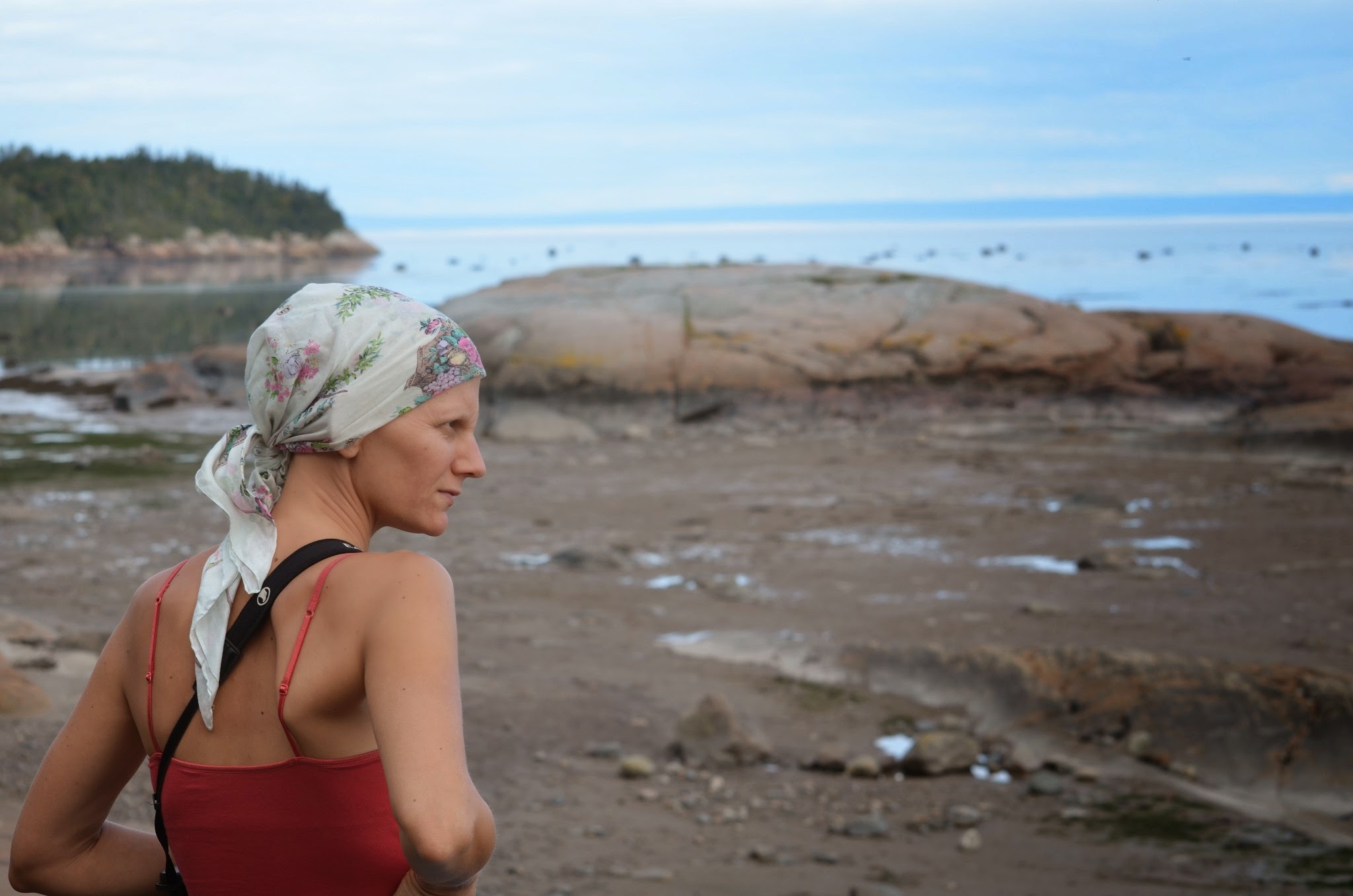
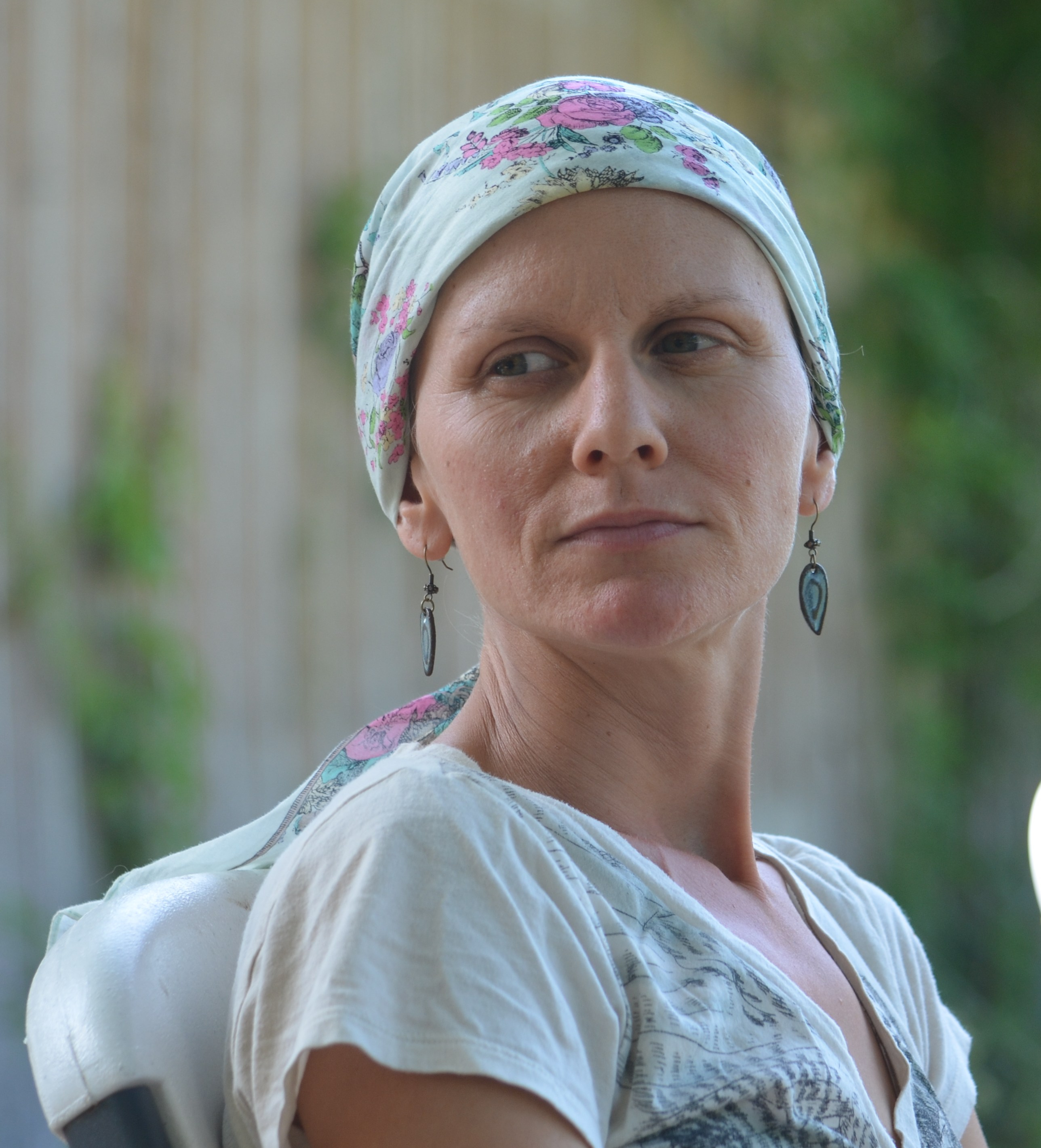
On this day, I was contemplating my future. I had just received news that cancer had spread and that things were much more serious now. I didn’t know what was next. My long hair was about to become a thing of the past.

Here’s my take on it. Everyone is different.

I cut my hair very short leading up to the time when it would start falling out. Then I cut it even shorter. It made me feel like I had some control of the situation. One night in bed, it was coming out in gobs. It was awful and I didn’t want anything to do with it. I leapt out of bed, grabbed the clippers and shaved it off. There, done. Mike helped. No more waiting, no more seeing gobs of hair, it was too upsetting.

Wigs

I thought I’d be totally all about wigs! Maybe even get some fun colored ones like my friend Patricia had. I got a few, and one really cool one too. The American Cancer Society had free real human hair wigs, so I got one of those but ended up not liking the style. It was too poofy and heavy! In the end, I wore 1 wig about 2 or 3 times and stashed it away for future Halloween costumes. It was itchy and hot. I didn’t care enough about how awesome it made me look and feel, to bear the discomfort. But for some people, it can really help to feel normal and confident. No one looked at me funny or sympathetically when I wore it because I was just normal. In fact, I remember getting compliments on my hair from strangers on the couple of occasions I wore it out. Never had that before!

Seriously though, how cool do I look in this picture? This wig was killer. I just wish it were more comfortable because honestly, I would have worm it more. It gave me more confidence, and the option of not looking like a cancer patient, except for the lack of eyebrows and lashes. Which I talk about later.

Prairie Dawgs
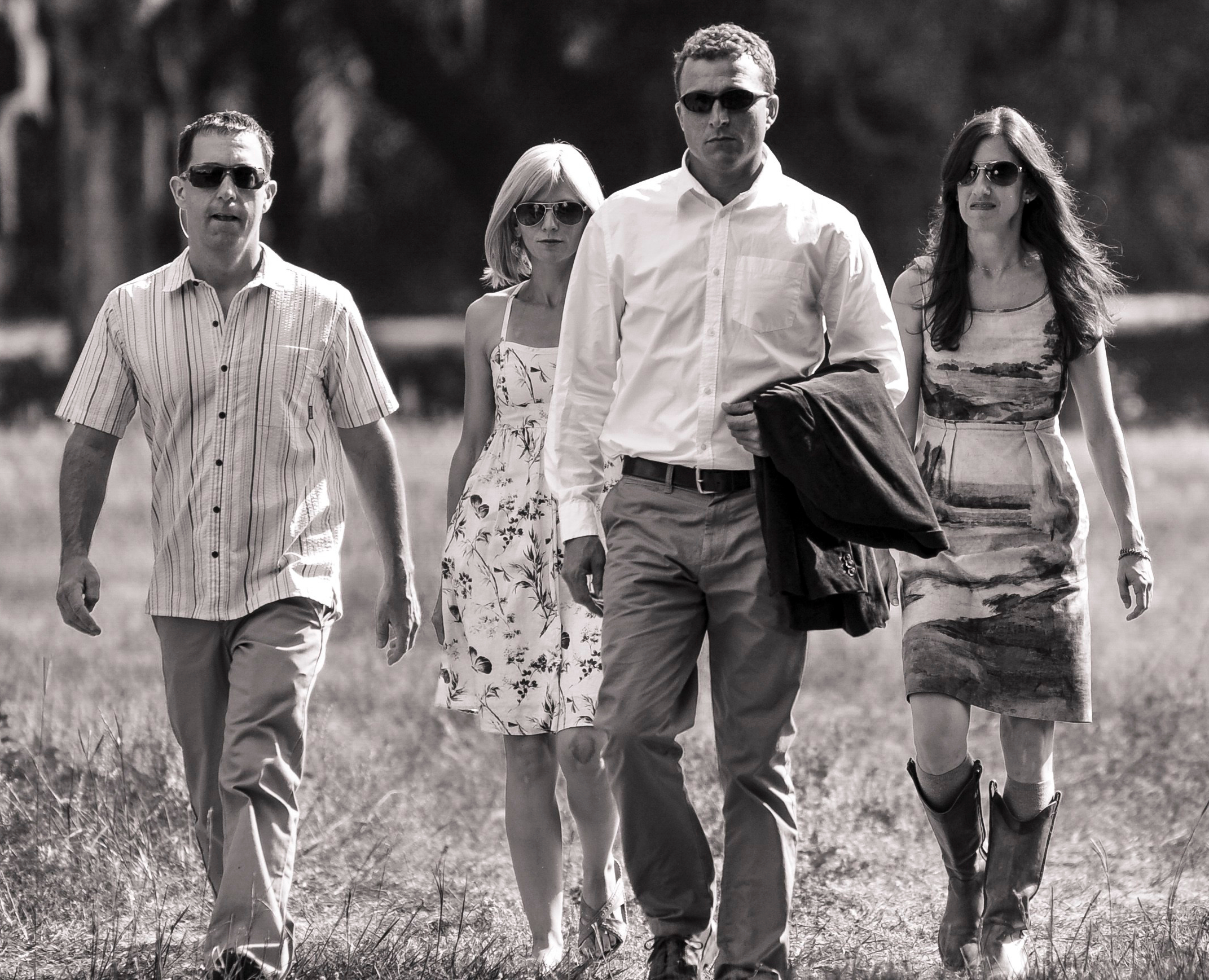
At a friends wedding on the prairie, I think we all look bad ass here, and the wig helped! But I was hot and wanted to rip it off every minute that it was on.

Head Coverings

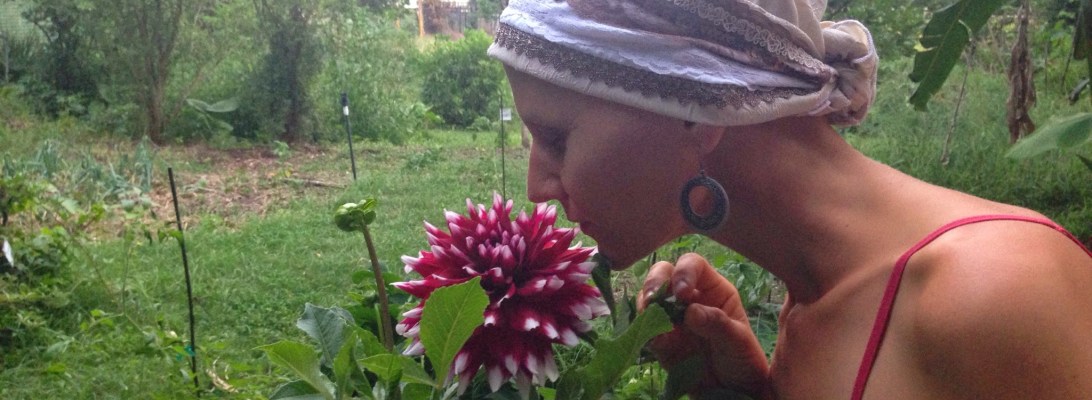
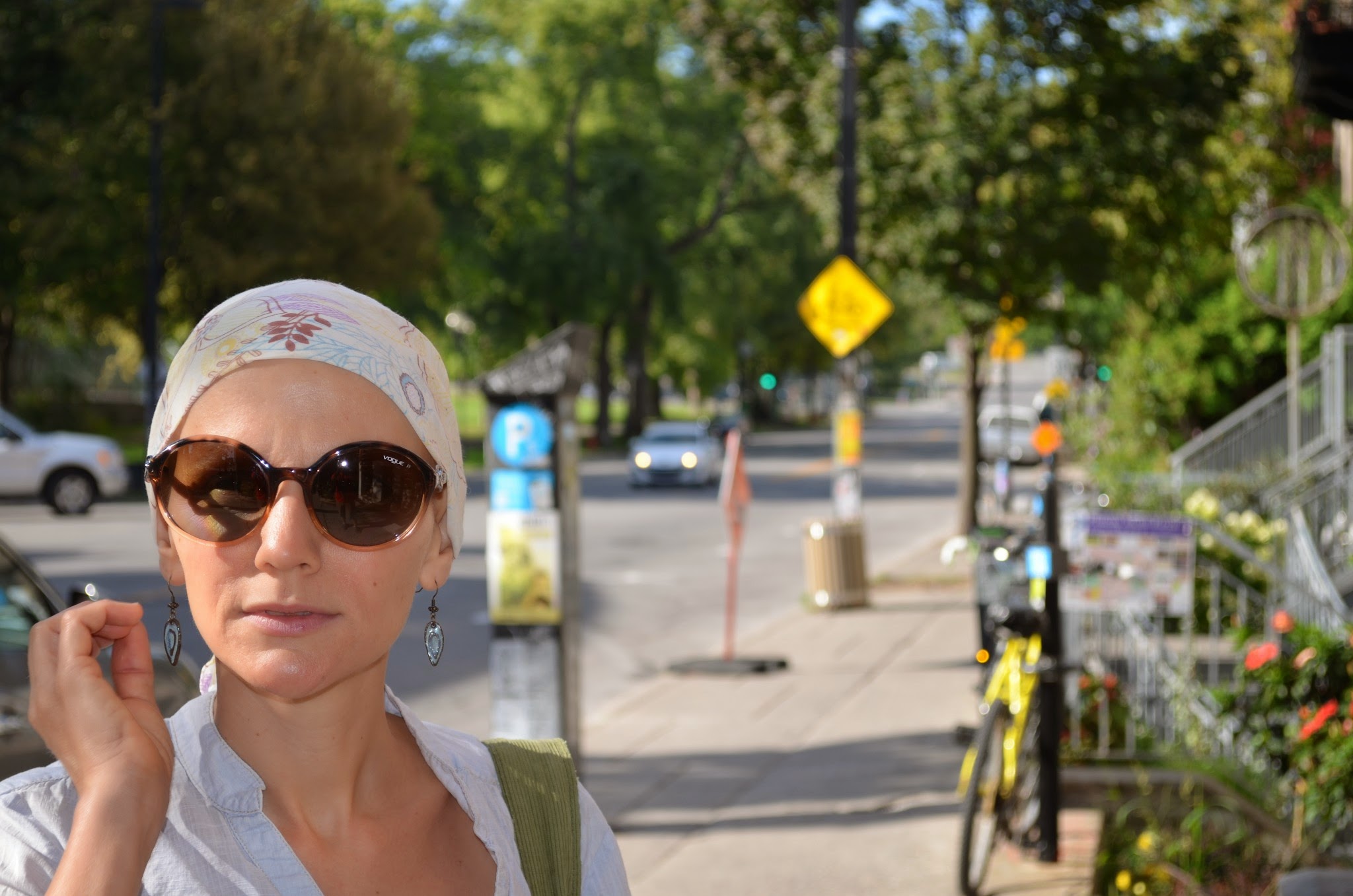
It actually felt really, really nice to feel the breeze on my skin, where I’d never felt it before. I enjoyed being at home with a bald head. I couldn’t ever quite get the courage to go bald in public though, so I acquired a set of head scarves. I still looked like a chemo patient, but had some fun scarves to wear that looked less dramatic, and became accessories to what I wore. I still worked outside a lot, so I had my gardening/work head scarves that could get dirty and be part of my work attire, and then some nicer ones.

The trick is getting soft, cotton ones, in the slightly bigger than normal bandana size. The nice silky ones just slip off constantly and actually feel more sweaty, at least in the climate I live in. There are zillions of head scarf websites, and it can be fun to shop around. Buy a bunch, give yourself options, have fun with it. You might as well. Lots of other things suck now. I ended up having a couple that got a lot of use.


Body Hair You Take for Granted!

One thing I was not warned about, nor ever thought about till I was without….was body hair besides my head! Body hair is so under appreciated, and women are constantly removing it, spending a lot of time and money to do so. It turns out those little hairs we take for granted every day: nose, eyebrow, eyelash, and pubic hair are functional, and when you don’t have them, it’s noticeable!

As an outdoors person, the very first thing I noticed was sweat going straight into my eyes! No brows or lashes to keep it out. It stung sometimes, especially with sunscreen on my face. I felt more junk getting into my lungs, due to lack of nose hair filters. I also seemed to have a runny nose more often, nothing to hold it back. And while I know that many women do a lot of maintenance down there to keep things groomed and tidy, let me tell you that having absolutely nothing down there does not feel good, nor right. I’ve actually read that some doctors feel it unhealthy for women to have no pubic hair, that it serves a purpose for hygiene and health. Haven’t done the research, but something to contemplate.

dsc_0295.jpg
ZERO facial hair, y’all! It’s noticeable when it’s missing. Your face doesn’t work the way it should!

Body Hair You’re Glad to Be Rid Of!

I am the kind of woman that lets shaving slide frequently. I’m too busy and don’t really care that much when my legs get prickly, or the armpit hairs get long. But eventually I do shave, and if I’m trying to clean up, I definitely shave. So, it was a welcome side effect of all this shit I was going through, to not have to shave at all! Small victories.

When It Grows Back

It’s different for everyone. As is everything that cancer does to an individual. For me….my hair grew back FABULOUS!! At first I couldn’t’ tell what was happening. It was dark, then it started showing a bit of a wave, as I rocked the Sinead O’Connor look for awhile. Then as it got longer, it revealed itself as every possible opposite of what I used to have. My hair was thick, dark and curly now, and it was marvelous! The most expensive make over I’ve ever had. I looooooooved my hair. Loved it. So beautiful and so easy to manage! Curly hair is less maintenance, in my opinion than my previously thin and straight hair.


It was interesting to watch it change over time, until eventually it lightened in color and heft, and the curls went slack. Ah well, fun while it lasted!

I now have an interesting perspective on hair. It’s purpose both aesthetically and functionally. Everyone’s experience will be different, but I hope this might be helpful to anyone going through it.


gardening is more than just growing things

Recently, our organization Working Food had the honor to partner with Guts & Glory GNV to bring storytelling and the love of food and gardening together. I elected myself as one of the storytellers, figuring it would be easy enough to come up with something on the theme, and helped Anna think of who else would be good to recruit.

As the time came closer and closer to present, I started feeling….I don’t know… not nervous, not afraid. Vulnerable? While I speak in front of people all the time teaching classes and workshops, making announcements, and giving talks; this was very different. This was little me in front of a lot of people, some of whom I know and many I don’t, basically sharing my blog in spoken word. Very different. It was choppy sometimes when I rehearsed, forgetting some parts that connected to the next piece, and I was crying every-time I practiced it in front of someone.

But I’ve done much harder things, and know that challenging life experiences are good and should be accepted. I was honored to be onstage with 4 other storytellers, 3 of which I consider close friends and respected individuals that have enriched my life. It was a magical evening and the positive feedback we felt from our community felt really awesome! I was grateful for my husband to be there and share the experience, and for Maya yelling out “We love you Melissa!” when the tears came on stage and I needed the change of focus for a moment to catch my breath and begin speaking again.

So here it is, what I shared publicly about how gardening and my life have been so interconnected and inseparable over the years.

On Memorial Day, in the midst of sub tropical storm Alberto, I was in the garden pulling up elephant garlic. It was an emergency harvest, otherwise I would have been enjoying the storm at home with a cat on my lap, and a good book! The weeks of non-stop rain with no end in sight, meant that my precious bulbs planted 7 months ago, might rot in the wet soil.

I worked in solitude under a deluge of rain bands, that periodically lifted, so that I too could lift back my rain hood to hear again, and feel air on my skin. It’s stifling and noisy under a rain jacket in Florida. I worked for an hour pulling up the sturdy and large roots and leaves, along with the soil they had bonded with over the past 7 months. Up with them also came lots of earthworms that were woven among the roots, now wriggling to escape the light and my hands. One garlic root system was connected to a neighboring bright orange cosmo flower. I had to perform careful surgery to extract the two without causing harm. I was surprised by the the large holes left behind in the earth after removing the giant bulbs.

I thought about the large holes I’ve felt in my life when someone I love has left me, or hurt me. Eventually it heals over, just like the soil and worms that fill in where the garlic once was. I thought about all the connections I have with people and animals that run deep and interconnected, like the cosmo and garlic roots that shared space with earthworms.

I’ve learned a lot about my life in the garden, and have found her to be the very best therapist. Her beauty, life force, surprises, disappointments, and heartaches have helped me process profound life experiences. But most of the time, she allows me to simply be consumed by only that which is in front of me. A rare treat in today’s busy world, pulling from all directions. There is a reason horticulture therapy is a legitimate occupation and practice that heals people.

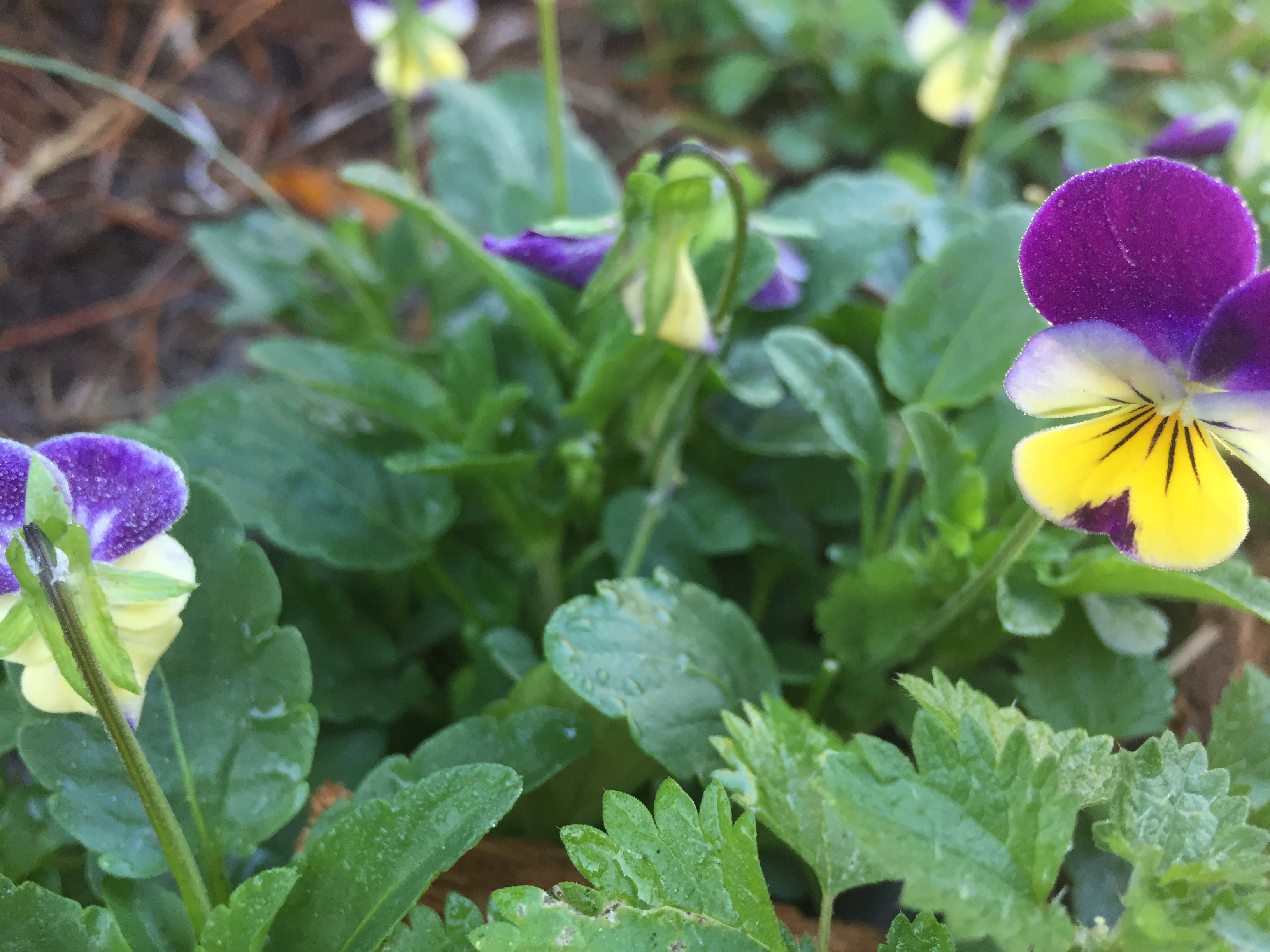
Johnny jump ups are dainty little purple violets, that grow in my garden every year. Planted from seed years ago, they jump up wherever they please year after year. They are a welcome visitor each fall, not only for their beauty and ease of care, but because they remind me of the alleyways they sprawled out into in my childhood; my mother and I returning with trowels to dig up a few for the garden at home. Her affection for the pretty little flowers has stayed with me all these years. I have a couple tattooed on my arm.

She passed away 8 years ago, she was only 51. Still bright, vibrant and full of life, she was gone, just like that. She was my best friend, yet someone I didn’t fully know. Grief has a way of grinding your life to a halt, and in my heartache I desperately wanted everything else to just stop along with me, giving me the time and space to process my grief and this new life without her in it.
But every November when I’m on my knees in the garden, planting garlic cloves in neat little rows with 12” spacing, and I look to the sky to greet that first wave of sandhill cranes trumpeting their arrival, I am reminded of the tremendous life force that keeps on going. Despite difficulties and setbacks, the cranes keep migrating, and the plants keep growing. I keep returning to the garden with my dreams, my troubles, and all of my awesome seeds.

Perhaps you’ve heard the popular quote:

For a seed to achieve its greatest expression, it must come completely undone. The shell cracks, its insides come out, and everything changes. To someone who doesn’t understand growth, it would look like complete destruction.

As SeedEO of our little non-profit company Working Food, I can attest to the power of the story of a seed. I am fascinated by them, and immersed nearly 365 days a year in them. I grow, gather, clean, store and share them with anyone who needs them. I spend a lot of time studying them, and staying up late at night writing grants to find money to protect them. I venture out  into tropical storms to save them from ruin.

In short they have control over me, and I some control over them. Which is how plants and people have always worked together. We need them as much as they need us. This is how most relationships, functional ones anyway, seem to work. I feel that way about my closest friends, my husband, family. A mutual relationship where one gives what the other needs and so it goes round and round; we are better together.
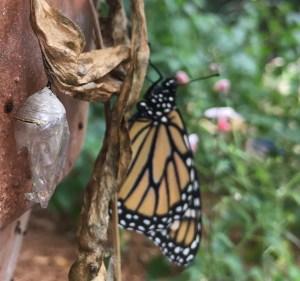
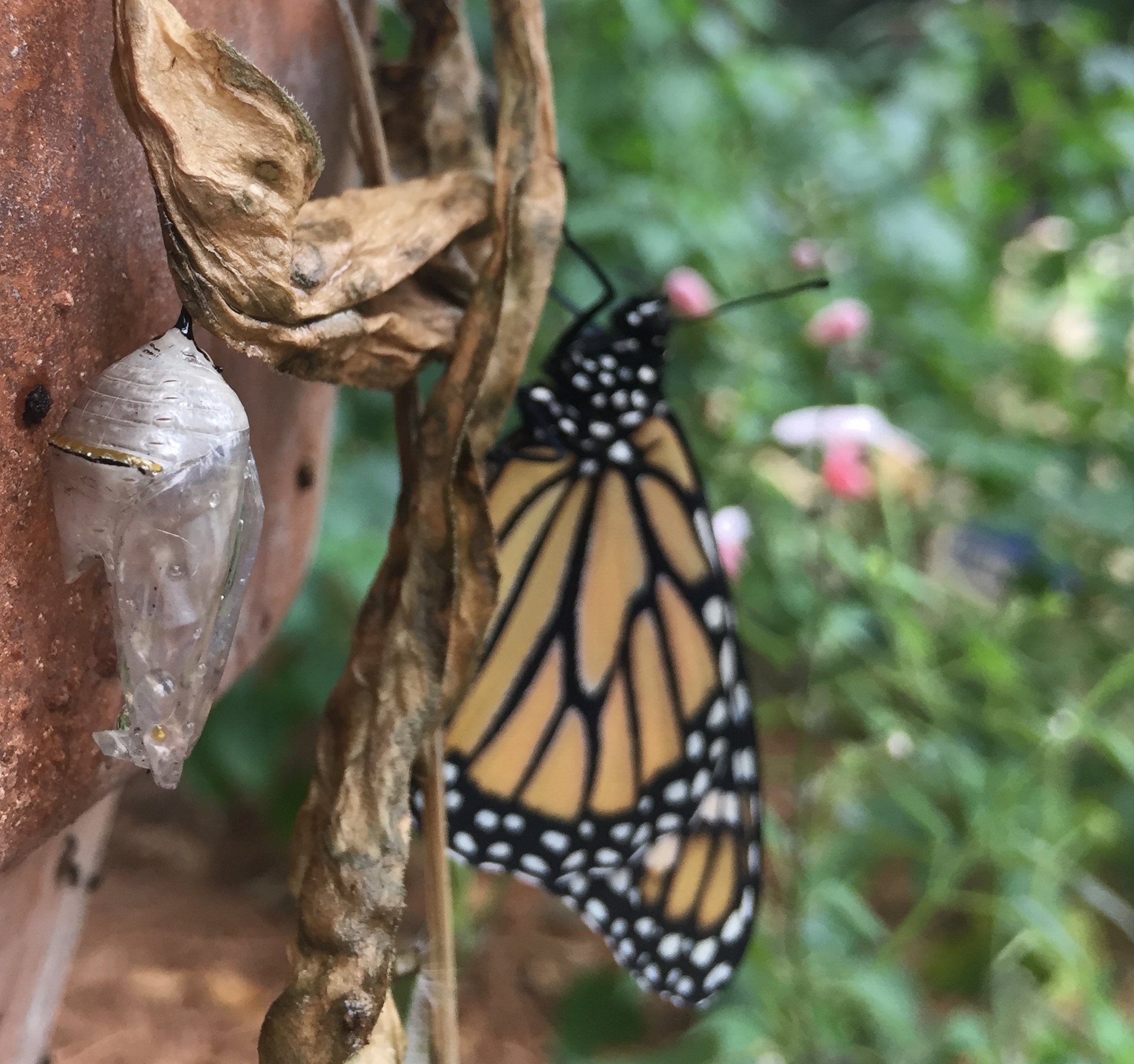
Monarch butterflies are one of my favorite garden visitors, because like Johnny Jump Ups they remind me of mom. Each time one flies past, it’s a celebration, a moment of pause to remember someone I still love. I have a couple of those tattooed on my arm, too. They will always share the garden with me, along with the hundreds of other pollinators I adore, because there will always be flowers for them. Like Johnny Jump Ups and Cosmos.

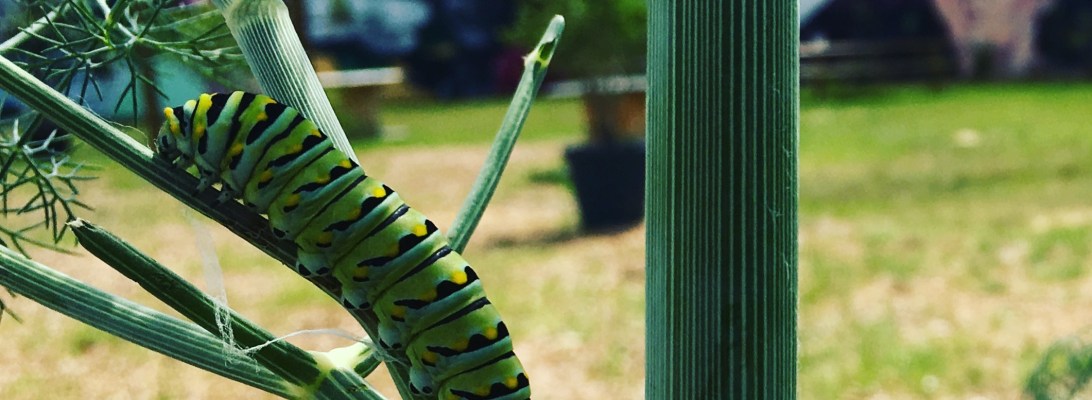
I think what fascinates me most, aside from their beauty and memories they conjure, is the great process of metamorphosis they undergo in their short life. On occasion, I am fortunate to notice where the caterpillars have crawled off to pupate after their assault on my plants nears an end. Wendy taught me to always plant a row for the hungry, and it’s part of my garden protocol to share. 

The pupa stage which seems inactive and often goes unnoticed by most of us, is a fascinating process. Inside the little pupas, some of which look like jewels and some disguised as bird poop, a slew of chemical and physical changes are bubbling inside, as cells reorganize and rebuild for their new life ahead.

The new butterfly is now a creature of noticeable beauty with the ability to ride the air currents in search of  food and mates, and go on great migrations. They are no longer confined to a particular plant in a particular place. They are free.

I had an incredibly metamorphic experience about 6 years ago, when on June 27, 2012 I heard the dreaded words, “you have cancer”. In the process, I learned to accept the things I couldn’t change as I entered this new phase of life; while tackling head on and with honesty and compassion for myself, the challenges that I was able to address. These were my own cells in my own body undergoing change. I knew I would re-emerge in some way, and so I couldn’t dwell on the injustices and unknowns of the situation. I could only lean in, learn, and hope to grow stronger and more beautiful because of it.  

I was fortunate to make it out alive, with a fresh perspective and as a better person. My cancer experience was a really fucked up way for life to offer me the gift of metamorphosis. I’m grateful for this gift however, and for how it transformed me. I wonder though, if the two friends I lost recently to cancer felt the same.

Life can be so damn messy and heartbreaking. Gardening is no different, but it is there I get to grieve, heal, and rejoice.

I wish sometimes I had the perfect and tidy garden! One with clearly defined walkways heavily mulched with wood chips. Neatly weeded and planted rows. A garden free from the threat of a devastating frost or a deadly disease. Where no army worm outbreaks happen, and armadillo invasions aren’t a thing. Like the picture perfect garden on the cover of a fancy garden magazine.

But the reality is that most of the time, the garden is in some transitional and messy phase. I’ve stopped apologizing for the disorder when visitors come. Instead, I point out that brown and dead-looking plants are actually loaded with life-giving seeds. That the chewed up, ragged fennel plants just recently had caterpillars feasting on them, and soon we would have swallowtail butterflies. That the empty and upheaved rows once grew beautiful garlic, that were roommates with earthworms, and propped up the cosmos.

This is the real life garden with hard yet beautiful life lessons, a sympathetic ear, and much to admire and share. This is the garden I will proudly pose in front of, when I’m on the cover of Southern Living or Garden and Gun one day.
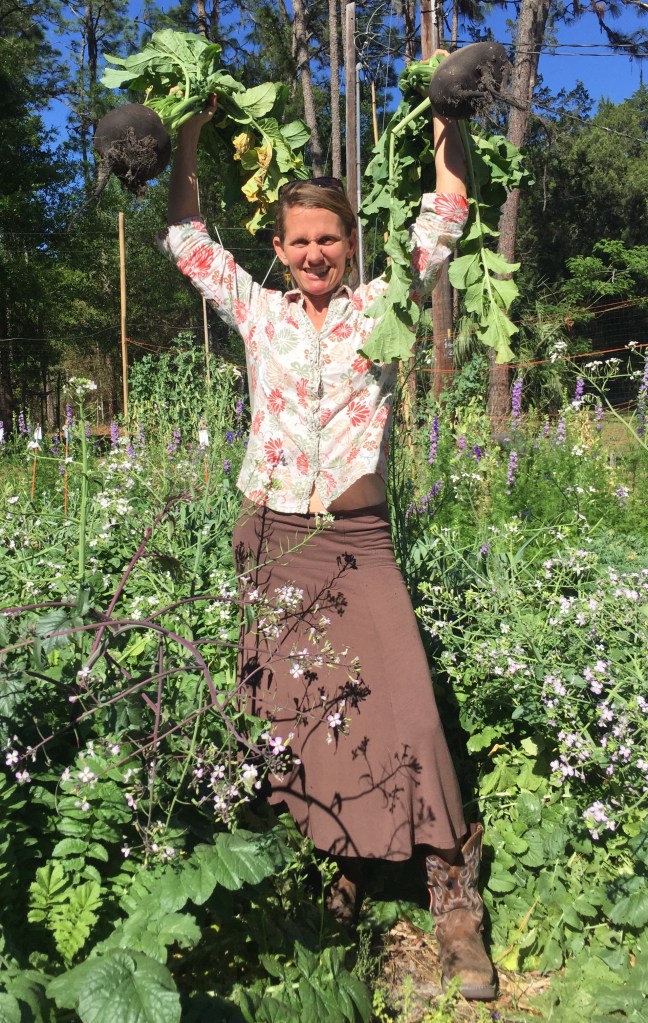



a seed waits for no one

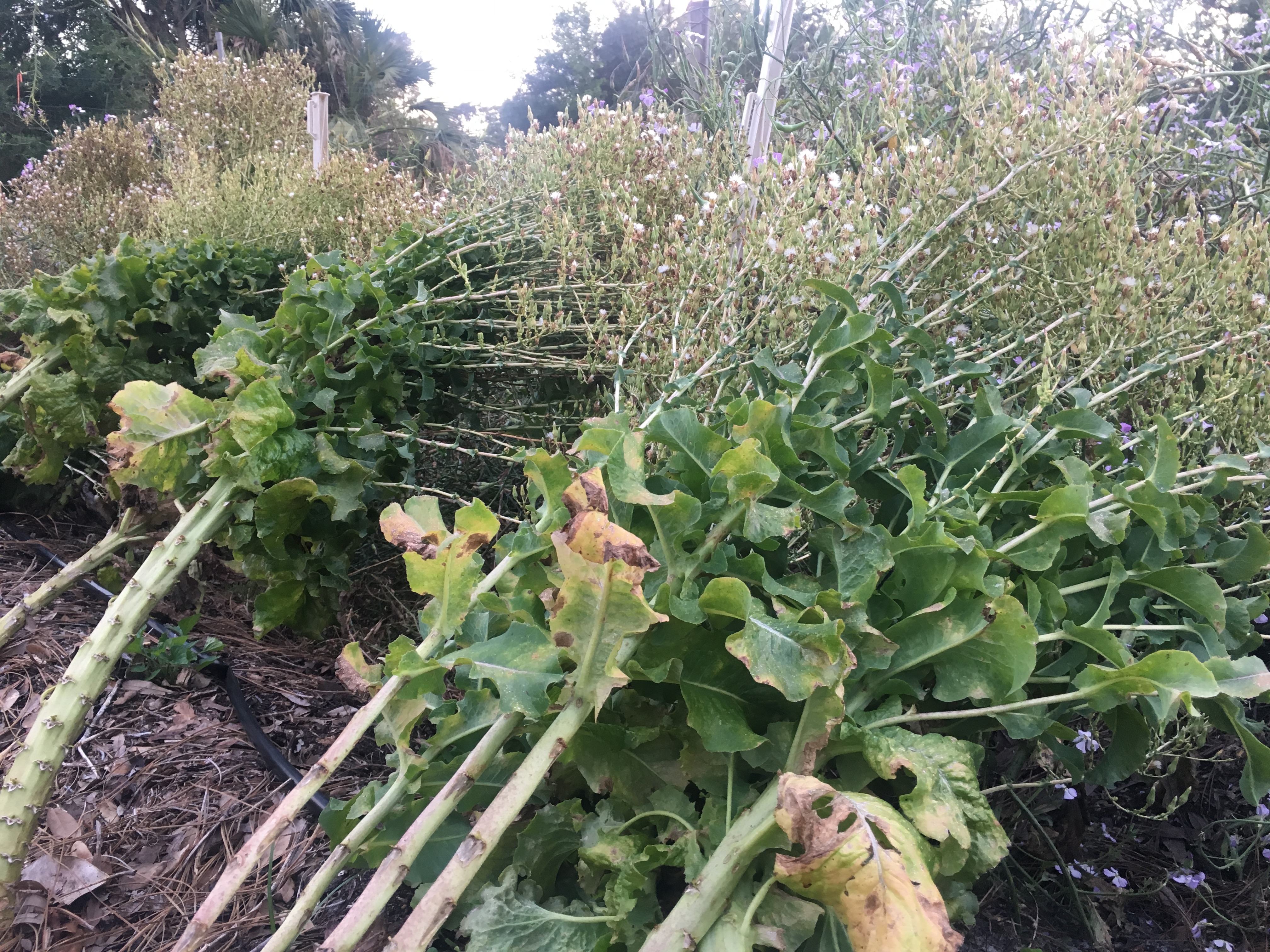
This time of year in our seed saving gardens, there are many long days. Many, many long days! When seeds are mature, particularly those with no protective casing from the elements or predators, it is critical to capture them as soon as possible. After an entire season of keeping plants healthy all the way through their reproductive cycle, I can’t skip a beat. Or I will have wasted all that effort. All those aphids squished, all the weeds pulled, the off-types pulled, the side-dressing of compost, the spreadsheets and planning that organized that garden in the first place. Wasted!

Lettuce plants long past the edible stage, heavy with seed and ready for harvest. Waits for no one.

So every year, about this time depending on the daily weather and overall climate patterns (really keeping us growers on edge), I am working long hours. Long and happy hours to be clear. This is the part that excites me the most! Sometimes I actually forget I can eat the things I grow, because I’m just awaiting their seed, all the while watching them grow and making sure they deserve to enter my seed bank. The sounds of seed plinking into a bucket, the satisfaction of sifting chaff from seed, and watching a pile of chaos and panicked insects (unavoidably just gathered up along with the seed) turn into clean, beautiful seed is what I live for.

Obsessive checking of the seed’s maturity in the field, and the weather (about 3 times a day) begins in earnest. Will it rain tomorrow? Oh shoot, better make sure I get those mustard seeds tonight then! It’s reaching into the low 90s next few days? Drat, better get those seeds out of the hot barn loft where they are drying. More lettuce seeds are ready now? We’ll need to clean up the others that are drying to make room for the next batch. Oh SHOOT, the cool-bot just malfunctioned and made the cooler ice up…. aaaaand Mr. Feaster just called and needs help collecting seeds. Now. Because rain might be coming.

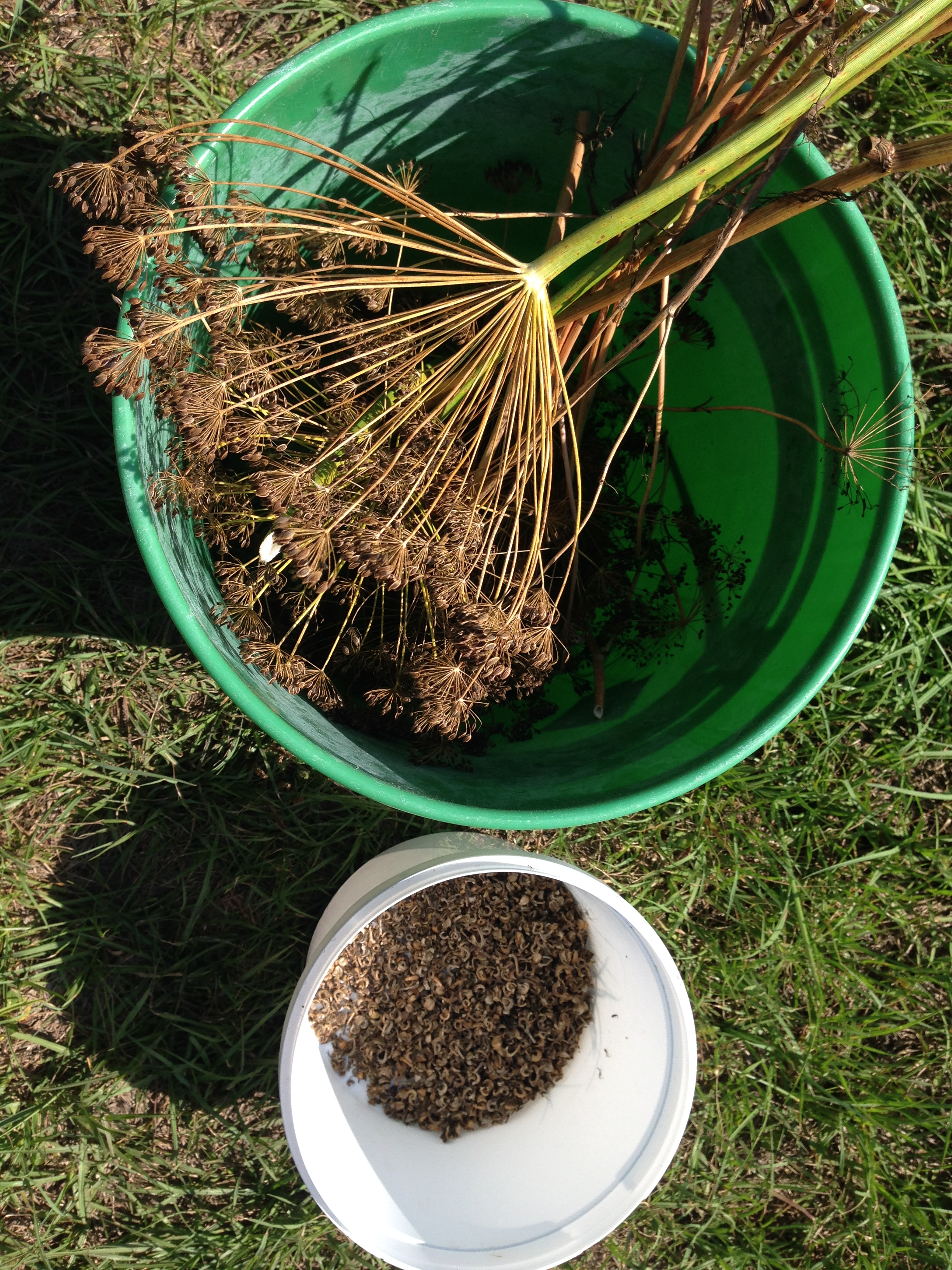
With no pods for protection many seeds, like dill must be gathered before our humidity gets to them.

Evenings are spent shaking seeds into buckets. Weekends are spent rotating drying piles of plants in front of fans, making sure they don’t get too hot, or not get enough air. Afternoons, after myriad other things in the day of a life of a non-profit employee, are spent driving out of town down a bumpy and washed out country road to gather seeds at a friend’s place, who is helping with the effort to steward local varieties.

A seed will not wait for when it’s convenient for me to gather it. It could blow away on the wind, drop to the ground, or become moldy, infected with disease, or eaten by insects or birds before I get to it on time. This is where the ancient dance between domesticated crops and humans plays out. They need us as much as we need them. Sure, some of our crops especially the kind I like to play with, have enough determination to come up on their own next year, somewhere, without my help. Others will not. And if the goal is seed for the community, and preservation of our agricultural biodiversity, then I can’t dilly dally. Otherwise they disappear from our gardens, our memories, and our culture.

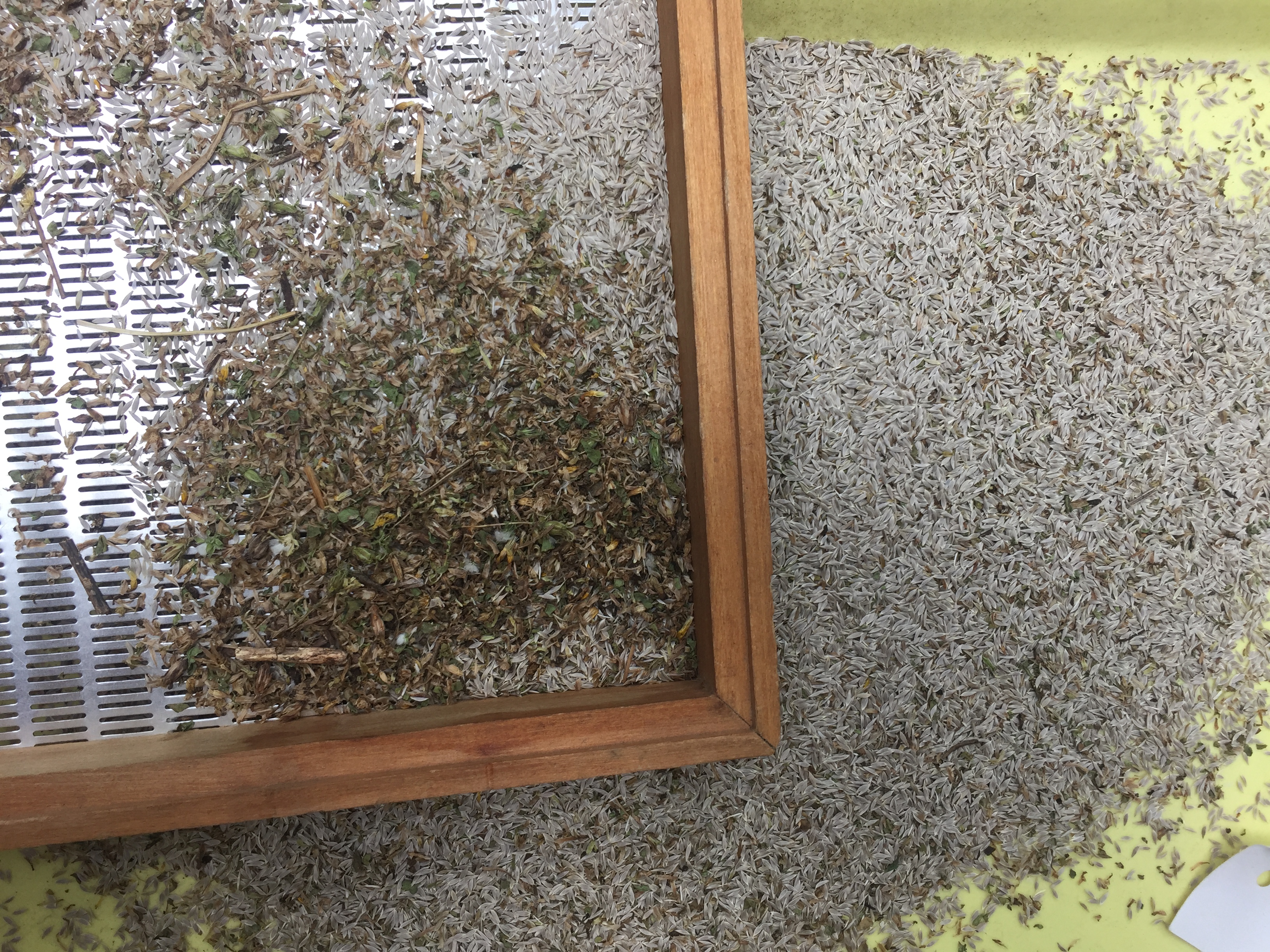
Sifting satisfaction. So much fluff and chaff threshed, winnowed and sifted from a lettuce plant finally reveals the little seeds.

As our Southern Heritage Seed Collective has grown, so too has the responsibility, workload, and infrastructure needed to keep an impressive seed collection alive. It takes a village!

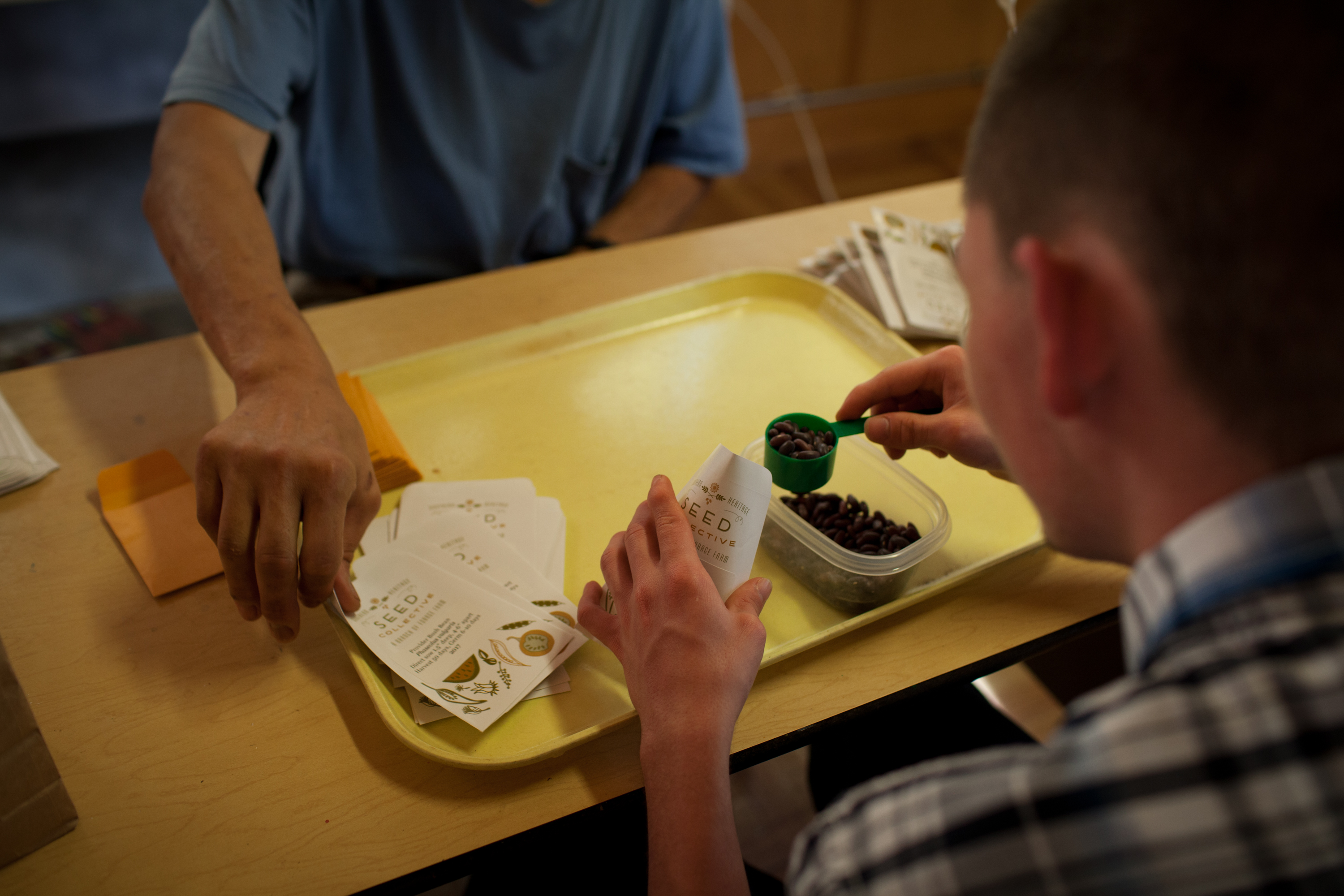
Scoop, label, bag, repeat. Thanks Charlotte Kesl Photography for the killer photo.

I am so grateful to the other growers who accept responsibility for helping trial varieties, or save seeds. I am grateful for the many hands that labor in the gardens all year to tend the crops, harvest them from the fields, and haul them up to the hot loft to dry. I am grateful for those that get dust, chaff, and fluff in their eyes and up their noses as we winnow the seeds clean. I am grateful to the countless hours spent with people I cherish, packing, labeling, and distributing these little miracles.  I am grateful to the men who have helped install the very thing we need to keep our seed cool, dark, and dry: our new seed cooler! I am grateful to Grow Hub, that allows our seed collective to live and breathe there.

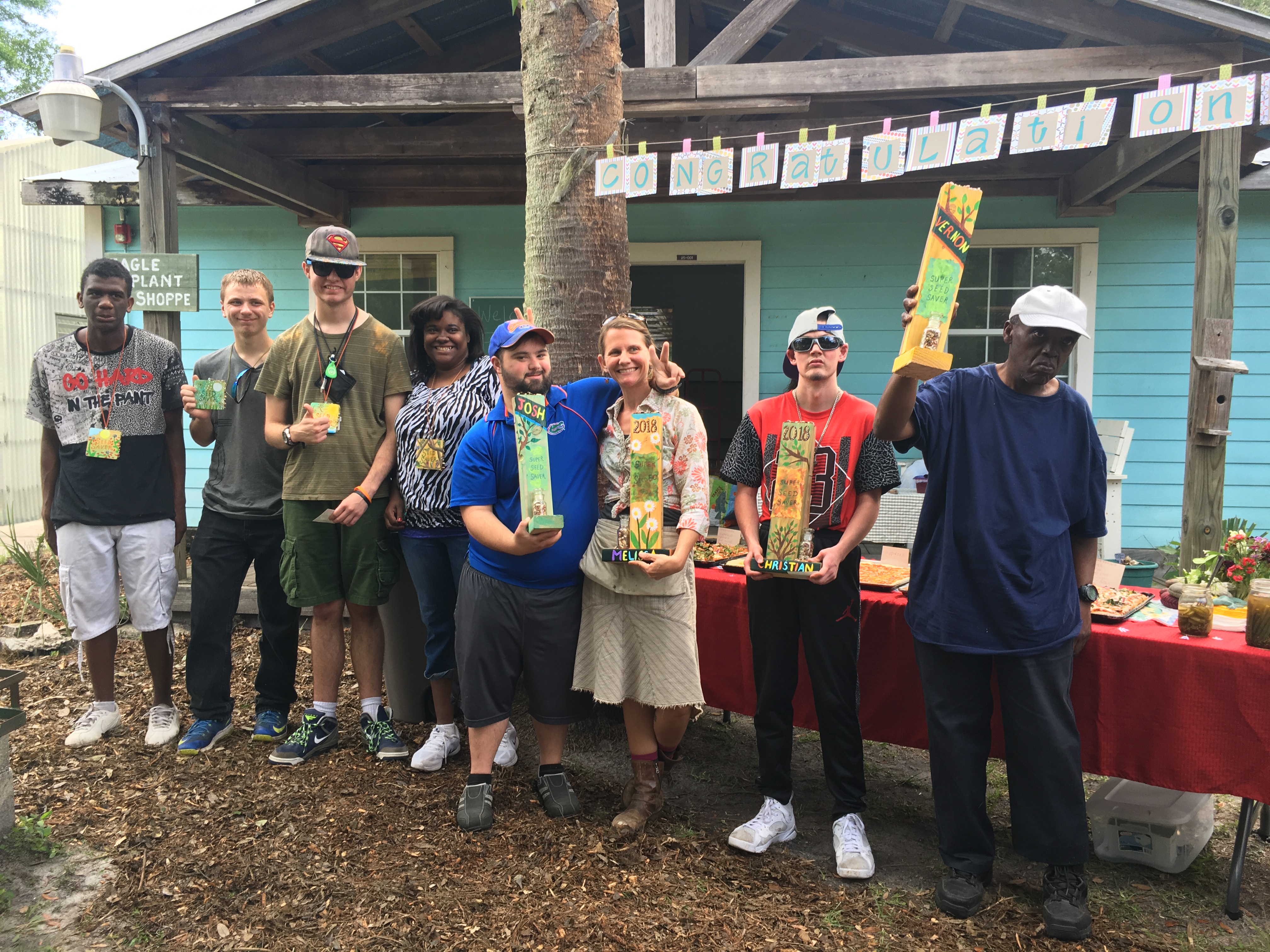
It takes a village and this is a part of that little village! We work with people of all abilities, who find purpose and calm, working in the garden and with seeds. Last month, we honored them with homemade pizza and trophies for their “Super Seed Saving!”

Angie Minno, Timothy Noyes,Charley Lybrand, Brett Caudill and Stephan Barron (Beaten Path Garden), Jerome Feaster, University of Florida Field and Fork, Gina Z., Tom Bankhead, Tom Wootton, Sarah Sterling, Shaquille Johnson, Deb Mize, Bill Wong, Richard Pushaw, Daniel Barerra, Jasmine Angelini-Knoll, Cydney Robbins, Brandi Sadler, Cindy Harris, Joseph Pearce….and probably so many more I am forgetting. Thank you. From me, and from all of us, for helping get seeds from one place to another so that we can may enjoy them!


to bloom, you must first be a seed

Everything on this planet and in our lives is intertwined. In the words of John Muir, “When we try to pick out anything by itself, we find it hitched to everything else in the Universe.”

As an ecologist and gardener, I fully understand and witness this daily. The patterns and cycles of growth and decay in the natural world easily parallel human life experiences.

It’s fascinating how similar in pattern lung tissue, tree branches, blood vessels and river deltas look. (Borrowed form the interwebs)

Seeds in particular have become a focus of my life, both professionally and personally. Their biology and magic have lended plenty of analogies and life lessons. I’m not unique in this thinking. A quick Google search for “seed quotes”offers plenty. One of my favourites:

“For a seed to achieve its greatest expression, it must come completely undone. The shell cracks, its insides come out and everything changes. To someone who doesn’t understand growth, it would look like complete destruction.” ~ Cynthia Occelli

Last fall, I was fortunate to attend an intensive 5 day Seed School Teacher Training offered by the Rocky Mountain Seed Alliance. It was a life-altering experience for me. As my plane home was speeding down the runway, my mind was racing along with it, and an unexpected cascade of tears started flowing over my cheeks. I was a raw and weepy mess. I didn’t see this coming. I think my seed coat was coming undone.

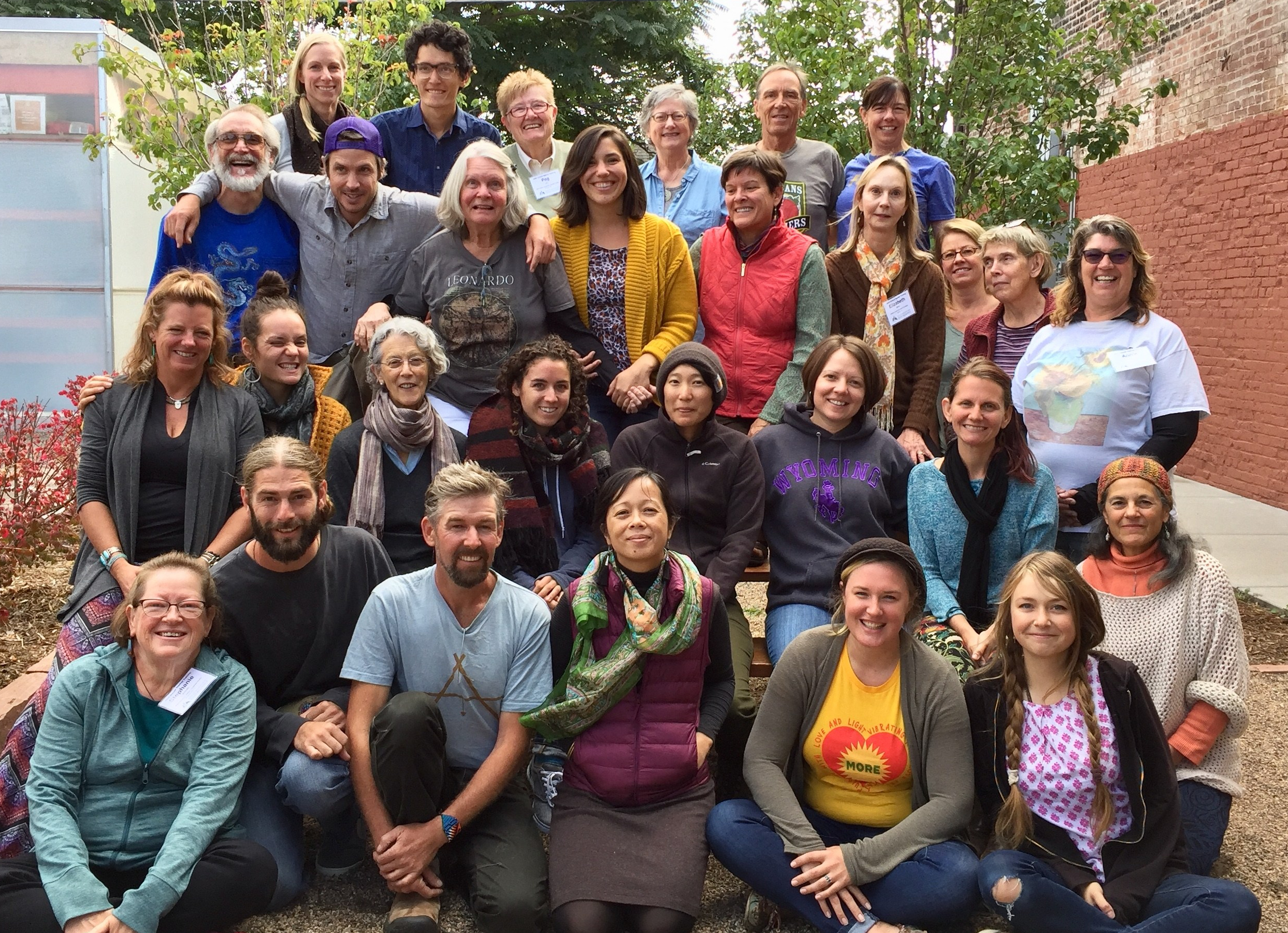
Seed School Peeps
These are some of the beautiful souls I connected with at Seed School Teacher Training.

The yin and the yang of emotions sweet and sorrowful interplayed as soon as the plane had lifted from the ground. A heavy weight of sadness flooded over me. As the plane got faster and higher, I was being pulled from my seed people with whom I had made a lasting connection. I was getting grand views of our Earth, blistering and disfigured at the hands of humans. I thought about all the seed biodiversity lost, and the people from whom it was stolen.

I was reliving grief from my past; my cancer journey and my mother who I’ve missed terribly for 8 years now. I was sad for Ann (one of our classmates), as I thought of her bravely struggling with cancer and still showing up for seed school; and for Torrie (another classmate), who had two family members shot by a lunatic gunman in Las Vegas, while we were in school. For her, there was no better place than to process this tragedy than with her seed people.

At the same time, I was overflowing, heart wide open, and receiving gratitude and exhilaration! The earth viewed from above is beyond breathtaking. To soar through the clouds and feel our Mother Earth pulsing and breathing strongly, even though she is ill, consumed me. Our time together in Seed School, “vibing with our peeps” (inside joke!), created a shift within. I felt raw and vulnerable, but ready. Like a seed mustering up the forces to begin growth, swelling and energizing, finally shedding the seed coat to show myself.

Actually, no. I’ve already been there.

It’s more like my radicle, the first root structure a seed produces, was shooting out getting ready to dig in and get to work.

Actually, I’ve already been there too. I’ve built an elaborate root system already that is still growing.

Perhaps it was my first true leaves unfurling and receiving strength from the energy of the world around me. True leaves are the first time that a seedling must start receiving energy from the sun, water, and soil. They are no longer able to draw from the seed for sustenance.

After contemplating successive growth phase analogies that best reflected my experience (plant people, sheesh!), I finally realized.

I have already bloomed and gone to seed multiple times. An endless and evolving progression of adaptation, growth, and improvement with each moment, day, or year.

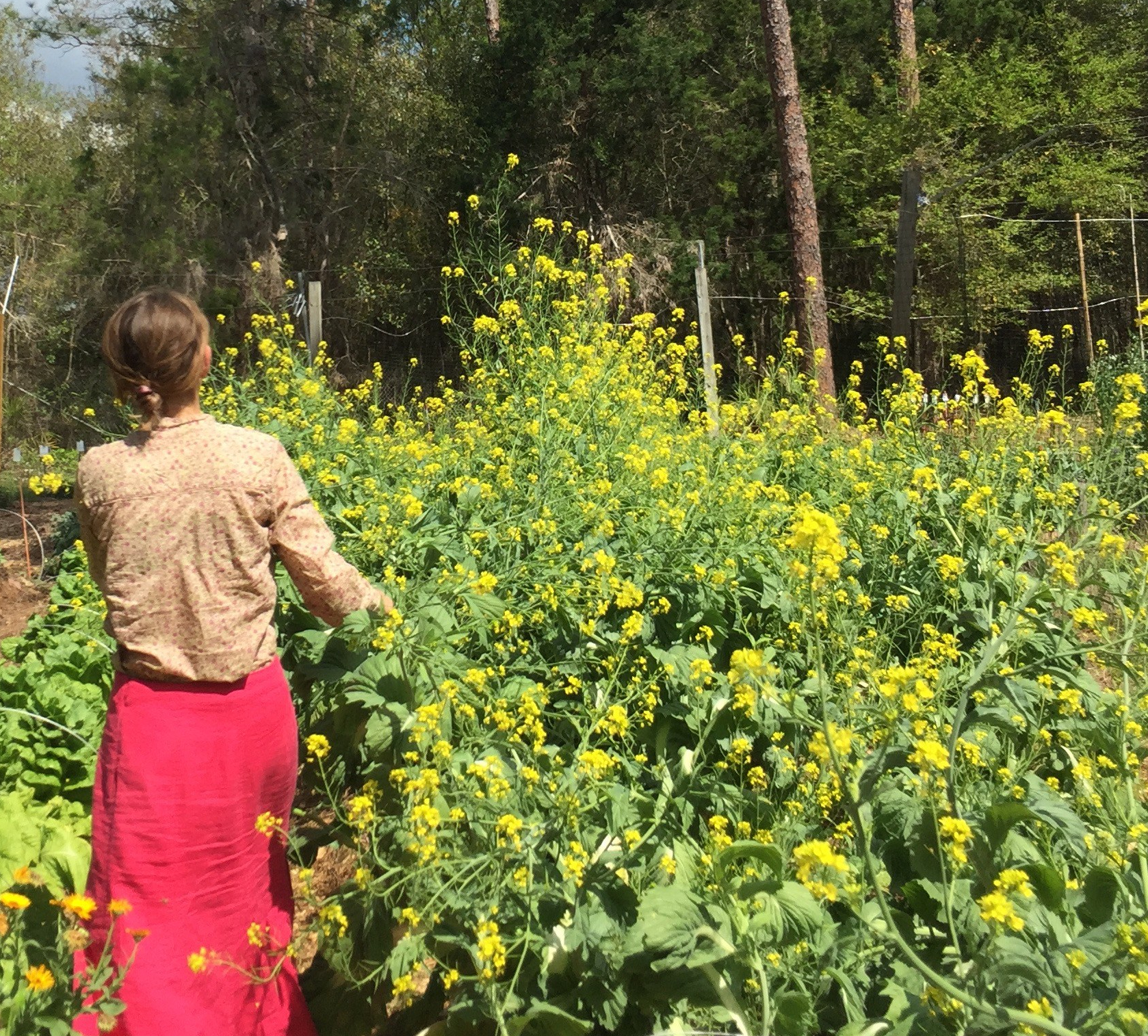
Mel mustards
Going to seed is a beautiful thing. It always involves flowers! This is me in a sea of Feaster Family Heirloom Mustard Flowers. There’s something indescribable about being surrounded by such life force.

The experience of Seed School, and significant life events contemplated from thousands of feet above the beautiful Earth shuffled me up a bit, and sent me off like a seed in the wind speeding off on the runway. Up, up, and away! One more phase of evolution, carrying hope and excitement for the future, but a little anxious of the unknown journey. Just like a seed.

Thank goodness for window seats. To process the weight of such magnitude while soaring quietly above the clouds gazing at our planet was a privilege I am grateful for. It was almost too much to bear, to be honest.

And so, the continual process of growing, evolving, and going to seed continues. It’s not easy work. There have been many times I’ve contemplated letting go. Growing is hard work, y’all. But when there is so much energy and life force, it’s unstoppable. This the energy that helped me overcome cancer, that brought me through the depths of grief, that keeps me pushing daily for the work I love.

Take wisdom from the life of a seed. Understand that it’s ok to shed things and let go, shuffle up a bit, unfurl and bloom. Keep solace in the reminder that life goes on in cycles, that we are are always learning and re-inventing ourselves, like a seed.

Charlotte Kesl for Working Food
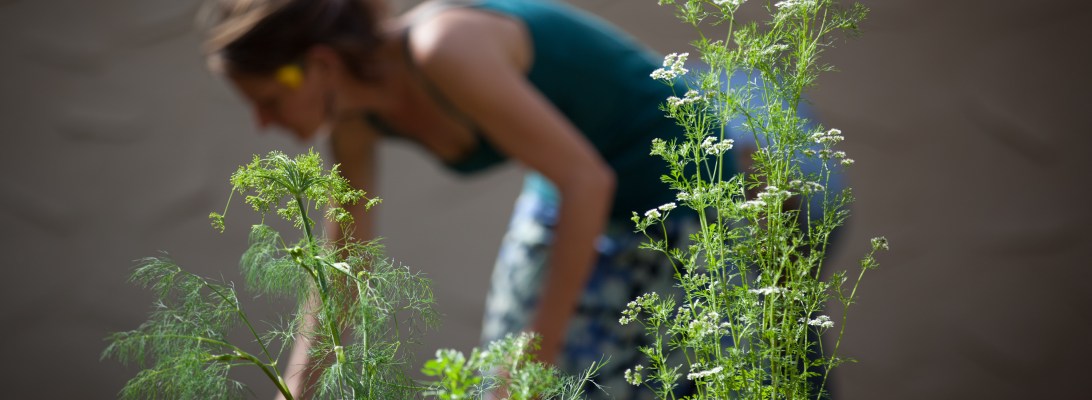
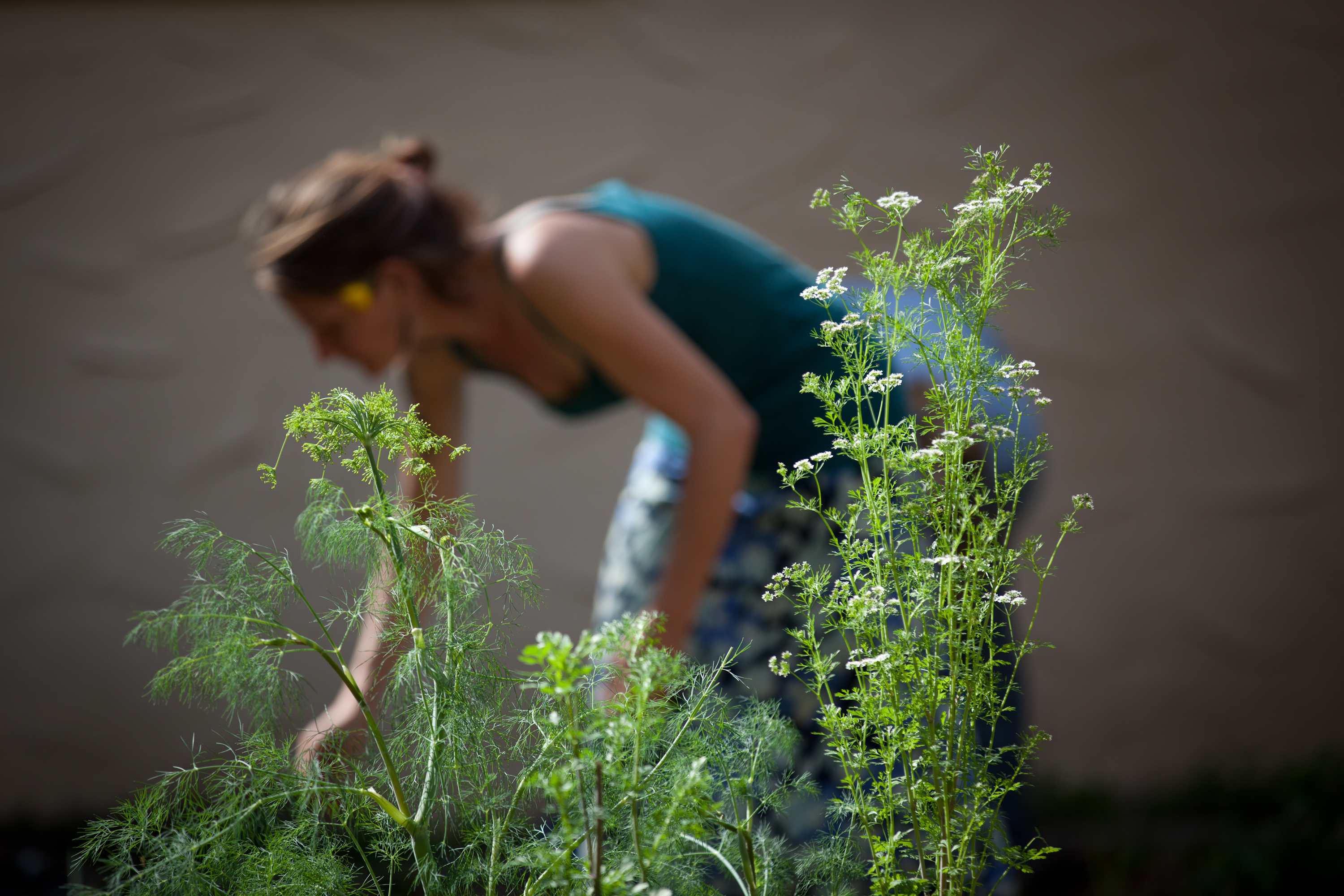
Tending the garden alongside cilantro going to seed. (Charlotte Kesl Photography).

soil and seed: the science behind fasting

As a gardener, I’ve learned that if you cultivate healthy soil, then you can grow anything. In Florida this is no easy task and takes constant diligence and care, adding leaf litter, compost and other juicy ingredients. This process encourages mycorrhizae and other soil inhabitants that provide conditions under which plants will thrive. If you don’t tend your soil, the seeds you sow will struggle to survive. They’ll grow to be lanky and weak, unable to find the nutrition and microbial relationships they need to survive. When plants are weak, they become prone  to disease and pests.

This same thing happens in our bodies. We can cultivate our “soil” so that it resists illness, both short and long term. Or, we can tend the soil in such a way that it encourages invasive seeds like cancer, to thrive and dominate the garden.

Just the other day my friend Tom, coming off of two bouts of illness; flu then a cold was frustrated at his lingering cough that he knew was being exacerbated by other things. He said, “I really need to quit eating bread. I felt so great before when I quit eating that stuff“. He had been eating paleo style for sometime, lost weight, and cleared up so much inflammation that he was feeling wonderful. But like we all tend to do, slipped off that lifestyle for one reason or another. After falling victim to this year’s nasty flu virus, his body’s soil wasn’t in any condition to really help him out.  He wasn’t tending his soil how he knew that he needed to.

If you read my page about Food and Fasting, there are some good starting points there to cultivate healthy soil. Getting your diet right to reduce inflammation is critical. This means cutting out sugars, bumping up your microbiota, and eating highly nutritious foods. My friend Julie pointed me to this mini documentary about the Science of Fasting, which helps explain how it works. There are actually fasting clinics, for those undergoing prolonged fasts.  I never went longer than 3 days, but others with serious conditions, can undergo a medically supervised fast.

Fasting is a wonderful tool we can use to clear out any gunk that builds up in our soil. But please, set aside your gut reaction and judgments! I get this a lot from people, who find it crazy that I would consider not eating. Especially because I’m so small. It’s just misguided fear. Only in recent human evolution have we had access to thousands of unlimited and low quality calories a day. We’re more adapted to dealing with hunger than we are with excess. Our bodies know what to do when times get lean, they’ve been doing it for a long time.
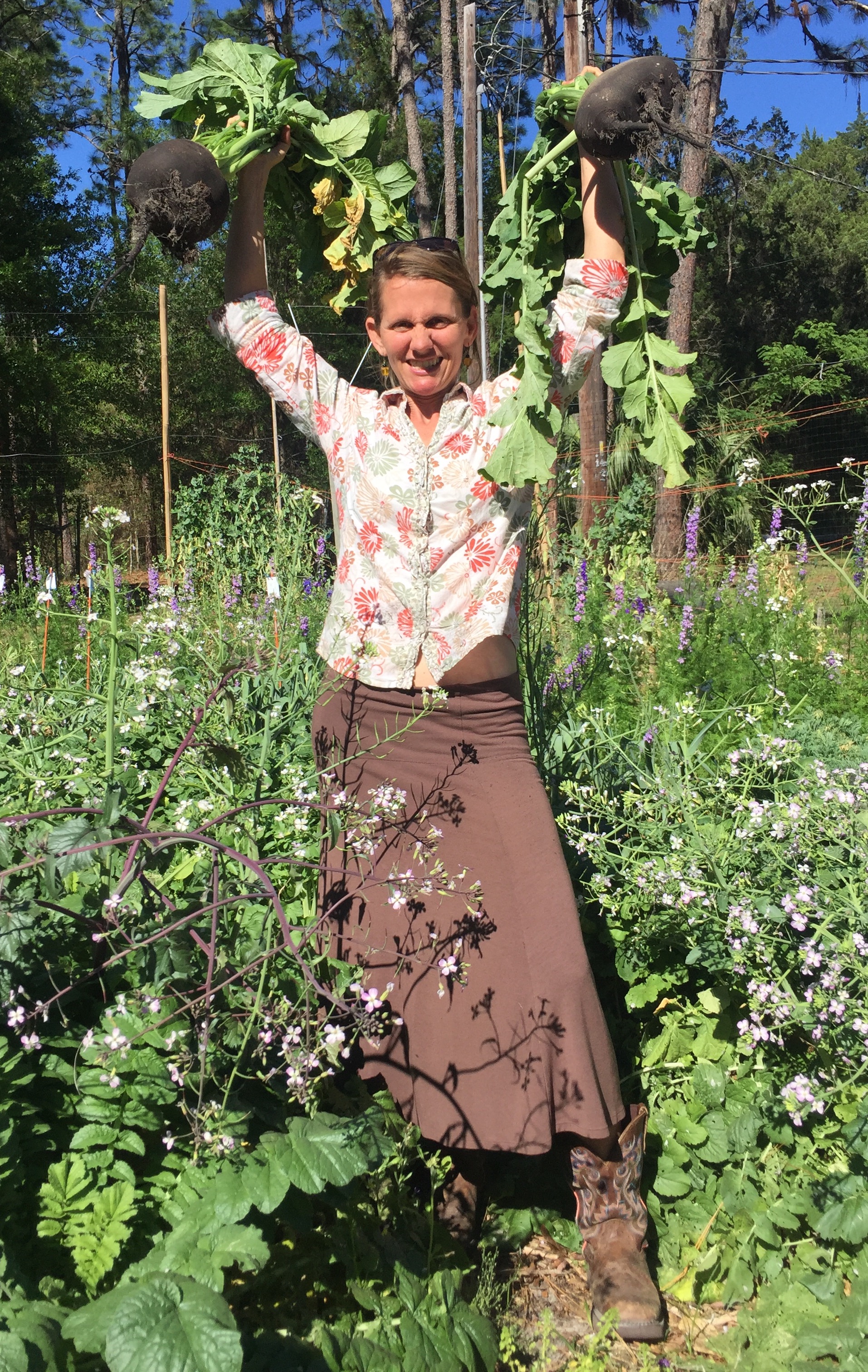
Think of fasting like a re-start button! Every time I have a technology issue, the first thing Mike will always say to me is “have you tried re-starting?!” Things just get gummed up and need a fresh start. Wireless networks, computers, printers, phones. First thing to do is cut them off of their food supply (power) and then start up again. Natural systems go through periods of leanness during winter time, then flourish in the spring. Some animals go the extreme like penguins, fasting for months. Things go in cycles, and yet we never seem to do that with food. Three meals a day (if we are so fortunate), no breaks, no chances to re-start. I think my friend Tom should try fasting to clear up his gunk, then start re-building his soil.

Think of fasting like a re-set button for your body. It gives it a rest from having to digest and  metabolize, so that it can clean up a bit, remove wastes, toxins and other things that produce soil fit for cancer and other disease to grow.

I used this technique during my cancer treatments to alleviate symptoms and boost the effects of chemotherapy. I am convinced this was a key element to beating back cancer.

Five years in remission, I still use this regularly with varying degrees of intensity to clear up the gunk. After traveling when my diet and other things may have been off (read: being gluttonous, eating rich foods and imbibing too much), I’ll come home and fast for a day or maybe three. Throughout the week, I’ll even skip breakfast or lunch fairly regularly, getting in some shorter intermittent fasts. These are actually pretty easy for me, and after going through it, I am motivated to keep building my soil.

So consider how you can better cultivate your soil for long term health, so that good seeds may flourish. Use fasting as a tool to occasionally refresh the soil, and help keep invasive seeds from taking hold.

Seminole Pumpkin Cheesecake

I am obsessed with a local badass southern heirloom squash, the Seminole Pumpkin. It grows well here here, tastes amazing, stores a long time and is super versatile in the kitchen. Plus it has a wonderful story, evolving hand in hand with native tribes living in Florida. It sustained them, and they coaxed forth an edible squash that thrived in the hot, humid climate, and poor soils of Florida.
Check out their diversity of shapes, colors and sizes! I am certain that over the years especially as it’s gained popularity among gardeners, that they’ve become cross-pollinated with other Cucurbita moschata.
Filling
About 1.5-2 cups pureed Seminole pumpkin
2 packages of cream cheese
3 eggs
generous squirt of honey
lots of spices: generous chunks of ginger, cinnamon, nutmeg, allspice, cloves and a dash of cayenne pepper
vanilla extract
Crust
roasted nuts (I used approx. 2 cups of mixed walnuts, cashews and almonds)
dark chocolate chips
coconut oil
about a tbsp or so of butter
dried dates
dried apricots
Chocolate Sauce
melted dark chocolate chips
coconut oil
For crust, blend up all the dried stuff in a food processor till crumbly then add the fruits and oils till you get a doughy kinda greasy thing. Press it flat into a springform cake pan. Put it in the fridge while you make the cake.
For the filling, I used the food processer to puree the pumpkin so it was really smooth with no chunks. Add the cream cheese till nice and smooth followed by the eggs and all the spices. I used chunks of fresh ginger so need to make sure these get good and crushed, that’s why some pieces had “hairs” in them I believe they were ginger fibers. Once the batter is nice and creamy and whipped, pour it into the cake pan.
Cook about about 370 for approx. 45 -60 minutes until the outside rim of about 2″ is firmish, and the center may be jiggly but not soupy. There may be some cracking too. Let it cool for awhile before putting in the refrigerator, where it will need to chill about 4 hours before eating. Once it was sufficiently cooled I added the melted chocolate topping then put back in fridge to let that harden and finish chilling. I cheated and melted the chips in the microwave on low heat with coconut oil, stirring frequently till it was nice and runny. The proper way is in a double boiler on the stove. But it worked and there were less dishes 🙂 You could probably make the topping spicy if you wanted, or salty?

migration & grief

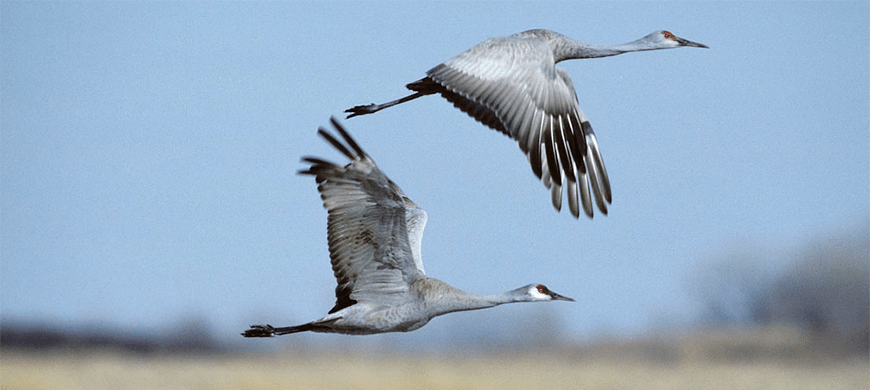
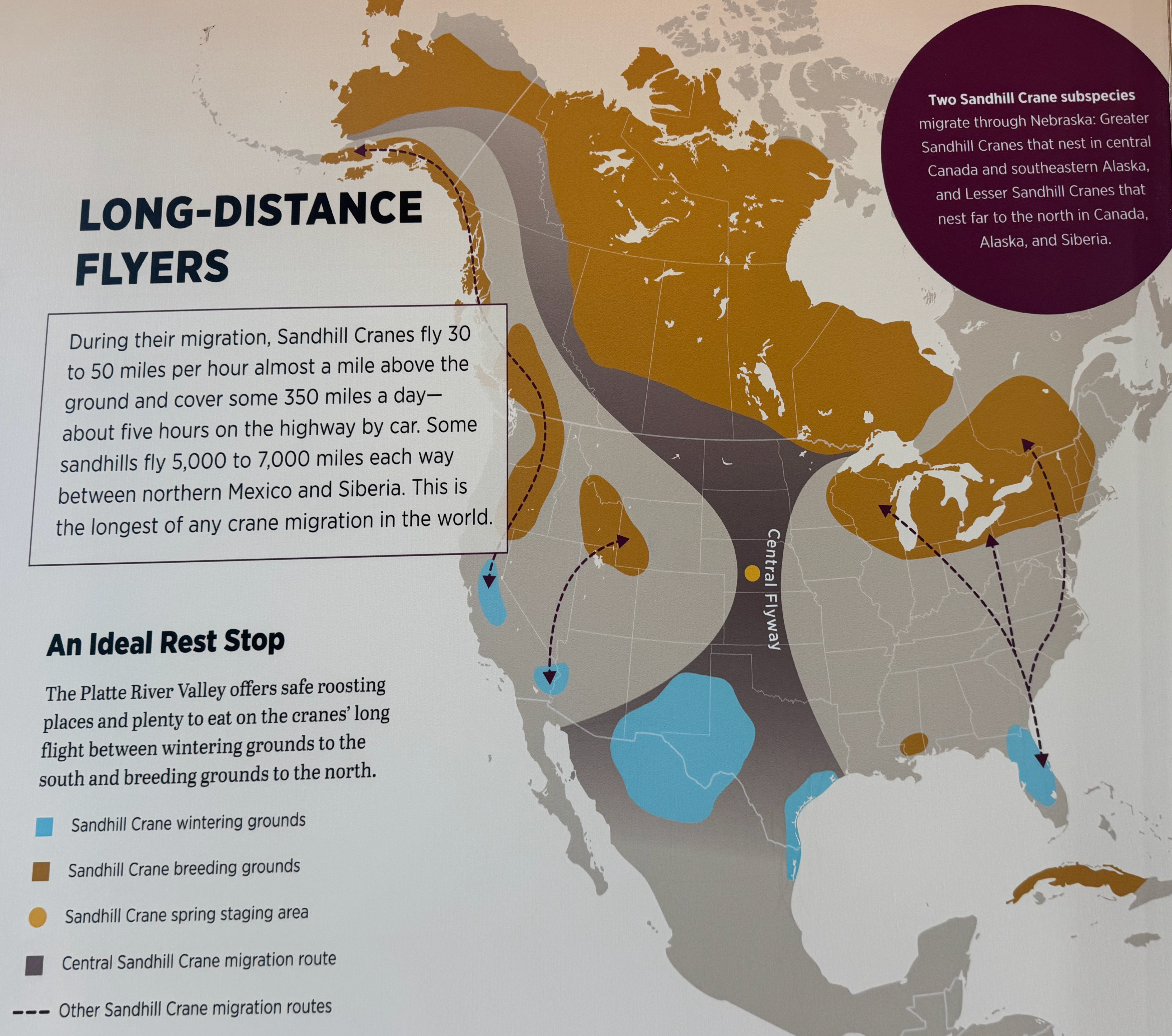
I’m in love with sandhill cranes. Every fall, around Thanksgiving these snow birds start arriving from thousands of miles away. They’ve come to overwinter in our warm climate.
We are so blessed in Gainesville, to share Payne’s Prairie with the cranes each winter. It was one of the first things about this place, that had me smitten.

Cranes + prairie wilderness = magical.

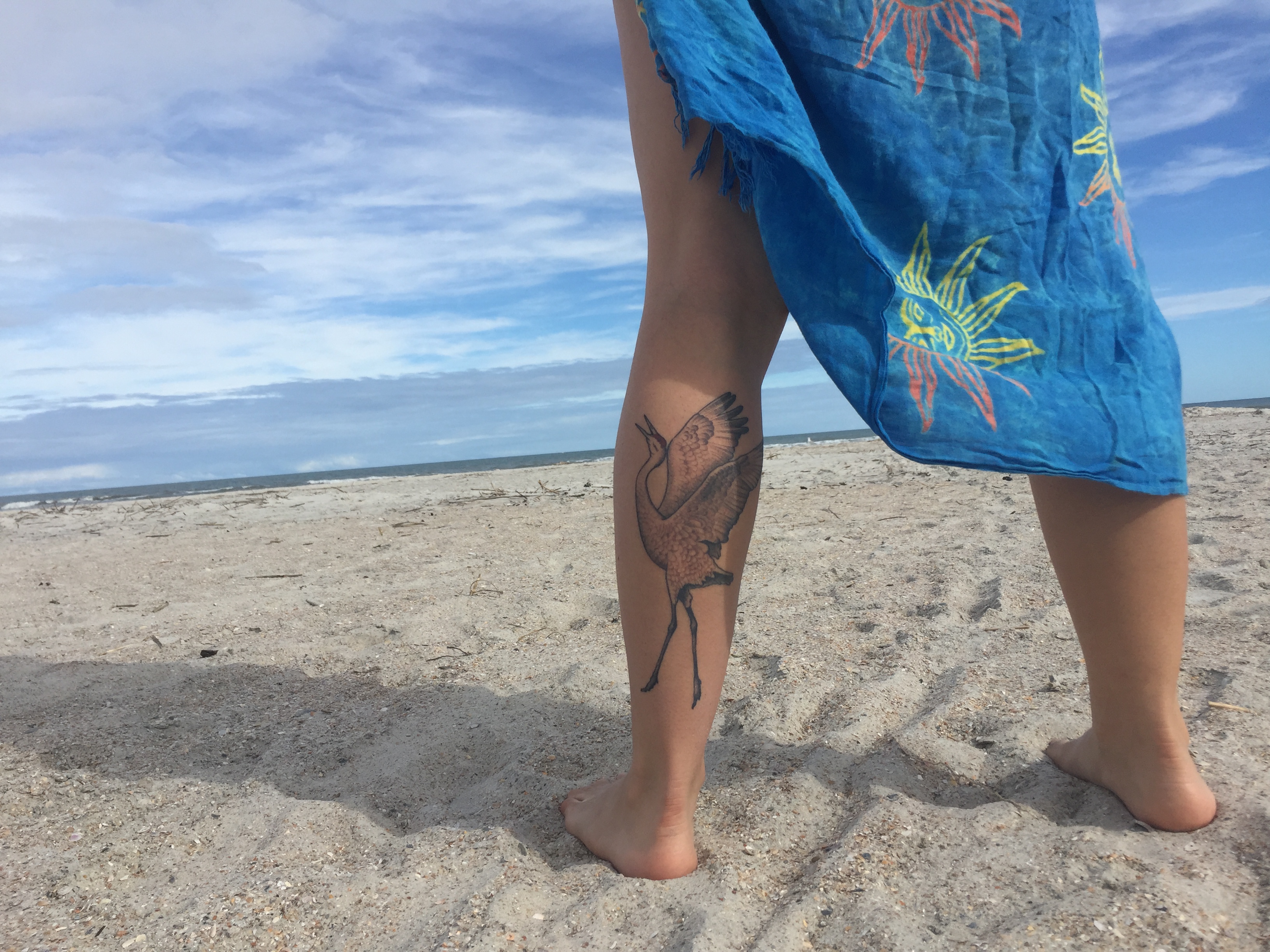
Crane tatoo
I love cranes so much, that I had one permanently inked on my calf! The calf is strong and grounded; the perfect place for the memory of a crane.

Their spectacular size and sound are impressive. You can hear them arriving long before you see them. In v-shaped flocks that undulate as they change positions and responsibilities in flight, they grace our winter skies and land, and announce dramatically their arrival.

This sets me off like a kid at Christmas! Every. Single. Time. “The cranes are here! The cranes are here!”
In a good year for human viewing, they’ll congregate in the hundreds or even thousands on the prairie. Roaming the same habitat are alligators, bison, horses, and countless other birds, reptiles, and amphibians. Sometimes a whooping crane or two joins the crane party.

Migratory Sandhill cranes that come to Florida, take a due north migration route. An entirely separate population travels the western and mid-western corridor. See my Substack article to learn all about a magical experience on that yellow dot of the central flyway.

I am a 20 minute bike ride from this magical and wild place. Gratitude.

Around Valentines Day when conditions are right, they start lifting off over several days or maybe even weeks, heading back to their summer breeding grounds. They circle high up in the air together first, before organizing and heading north. I suppose they are making group decisions, feeling the wind currents, and gathering momentum. All the while, announcing their grand departure for all who are listening.

It’s always hard to say goodbye, and I’m not alone in this regard. Plenty of Gaines-villians lament, as we bid farewell till next winter.

This tradition hard-wired in their DNA, takes them on a long and arduous journey twice a year. Some make it and some don’t. Regardless, the species continues this ancient tradition of travel, in pursuit of  mates and sustenance.

Migration is a testament of the will to survive. Even when obstacles are thrown in like habitat destruction, climate change, lack of food, predation, or hunting, migration continues.

Life goes on, no matter what.

I remember sharing the joy of cranes with my mother, during a particularly cold winter in 2010. It was just a few short months before that sweet soul passed away, migrating to another place. I remember another time, pointing to the sky from our backyard, with her and Mike’s folks, bearing witness to the massive flocks heading north for summer grounds.

The routine was dependable. It was Valentines Day after all, (plus or minus a few days), and so they were off.

Mom and me and cranes
My mother and I on a chilly winter day, out to see cranes at Payne’s Prairie.

After my mother passed away that following summer, I really needed the whole world to just STOP! My world had crashed down and come to a screeching halt, so everything and everyone else should take a breather and stop! I felt this same way when cancer entered my world.

Wait! Stop! I’m begging you; I just need a moment. 

But the cranes didn’t heed my irrational wishes. They kept their promises and traditions.

Life goes on, no matter what. That’s the beauty of migration, and also of metamorphosis.

It became comforting eventually, to experience and remember that life cannot be stopped. It will always flourish and go on, even if some things are left behind. The familiar patterns, that I had come to love and be grateful for, offered gentle solace and healing.

So every Thanksgiving season when the cranes herald their arrival, I give thanks. When they leave around Valentine’s Day, I feel love and compassion for all that has been lost, all that is, and all that is yet to come.